
Solar Panel Installation Strengthens Steel Industry Decarbonisation Strategy
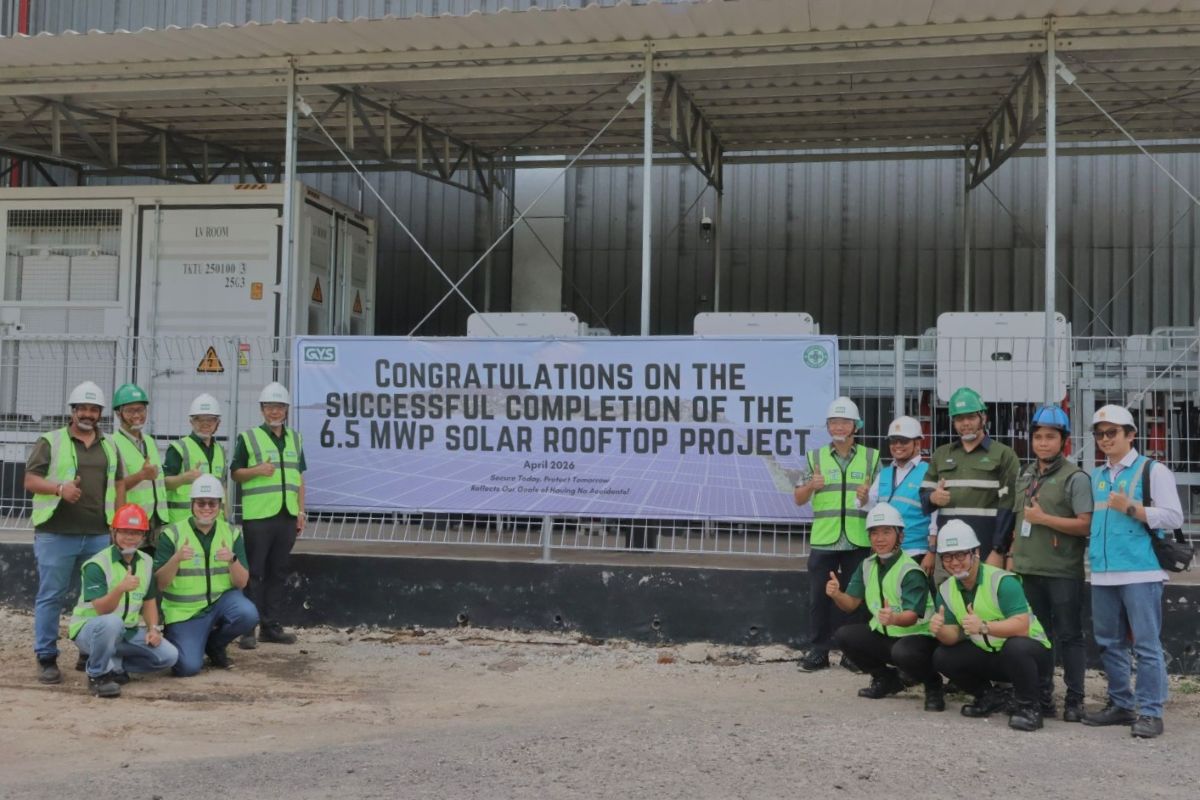
Garuda Yamato Steel (GYS) has announced the successful operation of its first large-scale solar power facility, in collaboration with iForte Energi. This step represents a key milestone in the transformation towards sustainable steel production.
The solar panel installation, covering 55,000 square metres with a capacity of 6.5 megawatt peak (MWp), is one of the largest renewable energy investments in the national steel industry sector. The facility will supply clean electricity for various production activities, from melting and rolling to warehouse and administrative operations. The use of solar energy is expected to significantly reduce greenhouse gas emissions while strengthening efforts to transition to a more environmentally friendly manufacturing industry.
This initiative is part of GYS’s broader decarbonisation roadmap. The company is adopting various technologies and approaches to reduce its carbon footprint, including:
This approach demonstrates the steel industry’s shift towards a more efficient and sustainable production model.
Collaboration and National Targets
The project also involves support from PLN, which plays a role in implementing the clean energy system. GYS President Director Tony Taniwan described the operation of this solar power plant as a strategic step in building a more sustainable future for the steel industry.
“This initiative not only reduces emissions but also creates long-term value for all stakeholders,” he said.
This step also supports Indonesia’s national targets for achieving net zero emissions and strengthens GYS’s position in the green industrial ecosystem.
Looking ahead, GYS plans to expand the use of renewable energy and improve operational efficiency through the expansion of solar panel installations at other facilities, the implementation of advanced energy efficiency technologies, the development of low-carbon steel products, and strengthened collaboration with stakeholders in the circular economy.
This transformation marks an important step for the Indonesian steel industry in adapting to global demands for low-emission and sustainable production.