
Soeharto Hospital Denies Receiving Bribes Over Woman Forced into Mental Health Unit
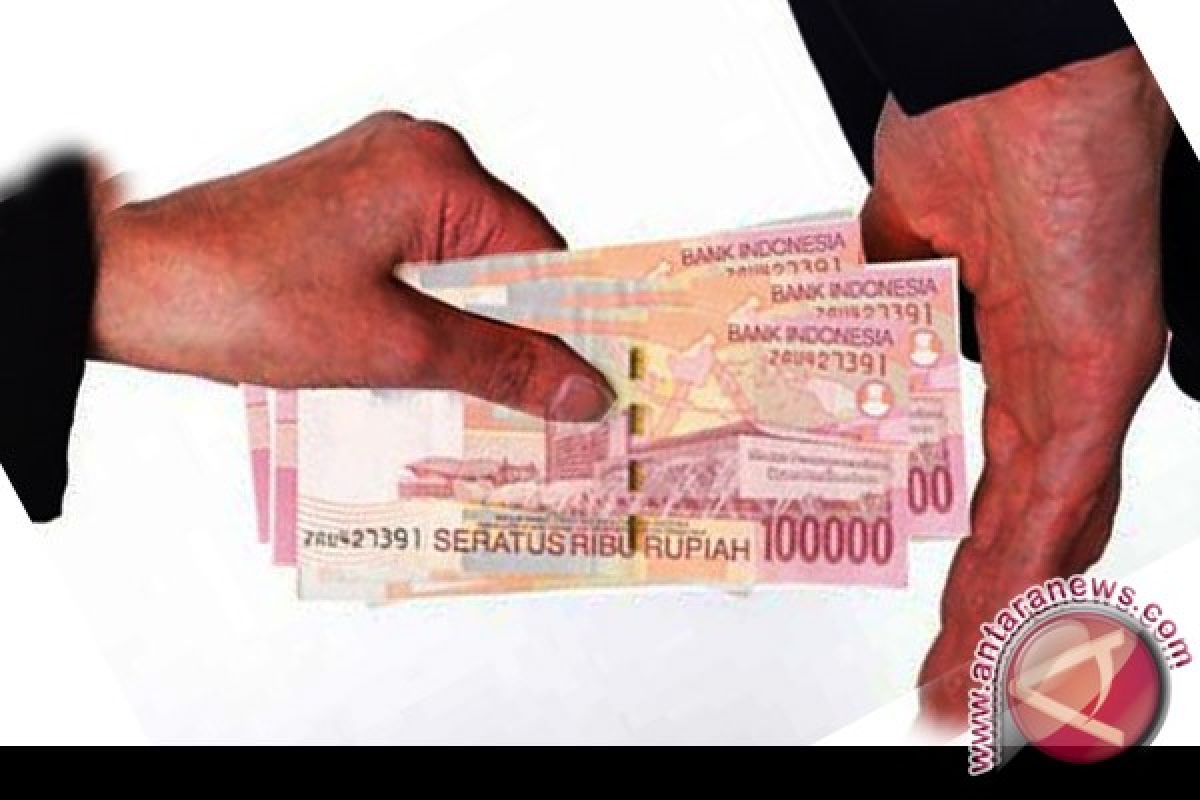
Jakarta — The management of Soeharto Heerdjan Hospital (RSSH) has denied allegations of accepting a 3 million rupiah bribe from a man to facilitate the admission of a woman with the initials EO to its Mental Health Unit.
Dr. Soeko W. Nindito, Chief Executive of RSSH, emphasised that the money mentioned in circulating videos was not a bribe but rather a deposit for the patient’s treatment process at the hospital.
“The 3 million rupiah mentioned on Instagram is a deposit, and it is a small amount because she was treated in a VIP (very important person) room. Therefore, it is incorrect to say the hospital was paid to allow the patient to be treated here,” said Dr. Soeko during an interview in Jakarta on Monday.
According to Soeko, the allegation of bribe acceptance is unfounded given the substantial difference between VIP room costs and the deposit amount.
“It does not make sense if we are merely accused of this, that our staff received money to then force the patient to be treated because she was brought by her family, unless we picked up the patient ourselves,” he said.
Previously, the hospital had also rejected allegations of coercion in the admission of woman EO to the health facility.
Soeko explained that patient EO, who arrived at the hospital on 31 January, was not forcibly collected but was brought directly by her family due to her mental health condition.
“Ms EO, whose video went viral, came to the hospital accompanied by her husband, father and with the knowledge of her mother. So, of their own accord, they brought the patient,” he said.
Patient EO, according to Soeko, was initially taken to another hospital but was subsequently referred to RSSH because she required mental health treatment.
Upon arrival at the emergency department, RSSH’s psychiatrist examined and assessed EO.
“When she was brought here, of course we have procedures for how to handle patients with mental health conditions,” said Soeko.
Following the examination, the doctor recommended that EO be admitted for intensive care.
The decision to admit the patient for inpatient care was made with family approval, specifically from her husband, who signed the informed consent form.
Regarding complaints from the patient’s mother that she was prevented from visiting her daughter, Soeko stated that this was a request made by her husband when signing the treatment consent form.
“We do not know what happened between the husband and mother; I do not wish to enter that territory. However, there was indeed a ‘statement’ during the ‘informed consent’ that the patient should not be visited by her mother. Perhaps my assumption is that if the mother visits, it could trigger emotional distress in the patient,” he explained.
Regarding the video showing patient EO tied to a bed, the hospital acknowledged the use of movement restriction (restraint).
However, this was purely an emergency medical procedure for the safety of the patient and the surrounding environment, not a form of torture or coercion.
This was based on EO’s behaviour of frequent outbursts that posed a risk to herself and medical staff during treatment.
“During the treatment process there were incidents where the patient had outbursts, damaged sofas, and almost took a fire extinguisher (APAR) to use it like that,” he said.