
Sociological Study Shows Free Nutritious Meal Programme Strengthens Student Solidarity and Learning Motivation
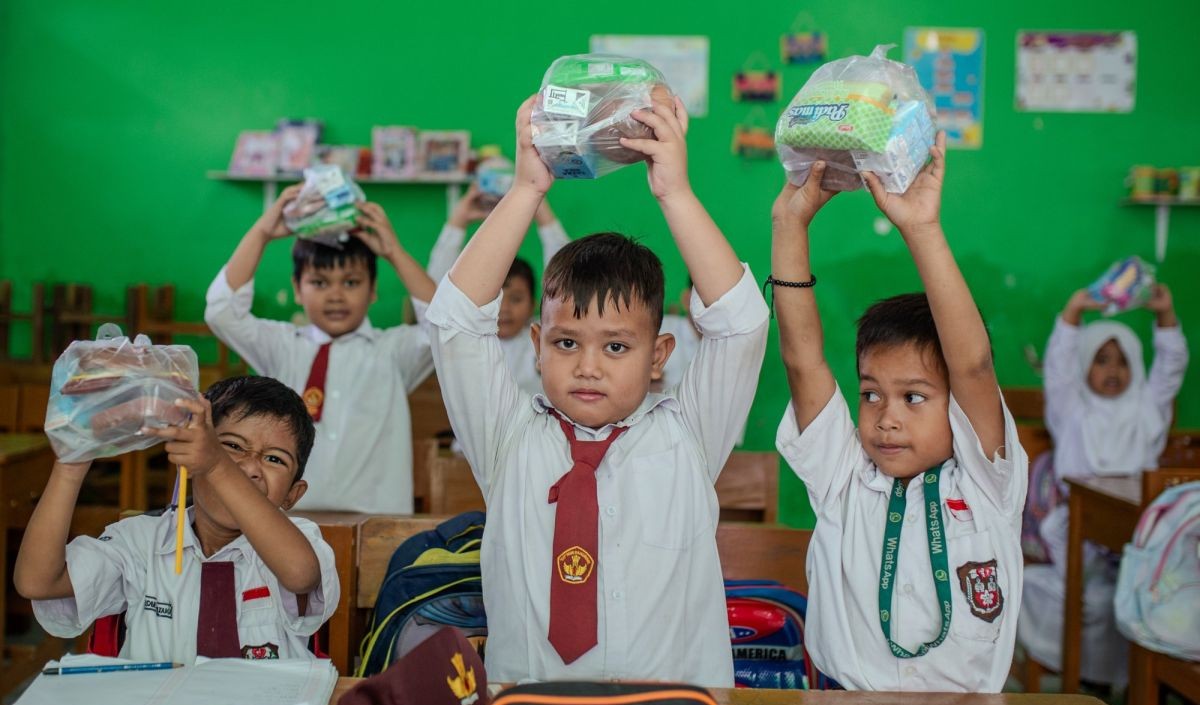
Experts and sociological research findings demonstrate that the Free Nutritious Meal Programme (MBG) effectively strengthens solidarity and learning motivation among students in schools. These findings reinforce research from the Ministry of Primary and Secondary Education (Kemendikdasmen), which designates MBG as a new foundation for quality education in Indonesia.
Sociologist Musni Umar stated that MBG not only ensures students receive adequate nutritional intake but also plays a role in building social interaction and enhancing learning enthusiasm in school environments. The programme offers broad benefits, both in terms of student health and social development. Regular access to nutritious food helps students engage in the learning process with greater focus and comfort.
“MBG in schools creates equality, togetherness, and closeness among students. Additionally, students can follow lessons well and comfortably because they are not hungry,” Umar said on Wednesday (11 March).
Musni acknowledged that this perspective stems from his personal experience as a child in Kendari, South East Sulawesi, when he would attend school without breakfast, which left him underweight and frequently ill. This changed when he became a university student living in dormitory accommodation with regular communal meal schedules.
“Sociologically, in the future we will see the growth of a nation’s youth who are healthy, intelligent, and possess high solidarity towards one another because of the closeness they experience whilst eating together,” Musni explained.
He urged the government to address various problems that have afflicted the programme.
Musni’s statement aligns with Toni Toharudin, Head of the Board of Educational Standards, Curriculum, and Assessment at Kemendikdasmen. According to Toni, the government-initiated MBG programme serves as a new foundation for creating quality education in Indonesia. Toni explained that MBG impacts not only individuals but also school culture. Communal eating practices create spaces for more inclusive social interaction and strengthen togetherness among students.
“Communal eating becomes a natural vehicle for character education. Students learn discipline, cleanliness, and respect for food. This demonstrates that character education does not always require formal approaches but can develop through carefully designed everyday experiences,” Toni emphasised.
This social experience is important for building empathy, collaboration, and social responsibility. MBG creates opportunities for schools to foster a healthy and positive learning culture.
MBG also has the potential to reshape pedagogical relationships in schools. Communal eating activities create informal moments that bring students and teachers together in a more equal and humane atmosphere. Such interactions strengthen psychological safety, which is a crucial foundation for deep learning.
“When students feel valued and socially connected, they tend to be more willing to ask questions, explore, and actively engage in the learning process,” Toni said.
Findings from the Centre for Sociological Studies at the University of Indonesia in March 2026 and research from the Research Institute of Socio-Economic Development in February 2026 showed similar results. The research involved 30 schools with 1,267 samples (students, teachers, parents, and MBG kitchen managers) across five regencies and cities: Kupang, Depok, Sukabumi, Garut, and Pesisir Selatan.
The results demonstrated that MBG effectively strengthens togetherness among all students and teachers in schools. Beyond the sociological dimension, the MBG programme also eases the economic burden on parents, particularly those from lower-middle-income households.
Approximately 72% of parents reported that their children now consume nutritious food more regularly, whilst 55% stated that their children more readily accept a variety of foods previously rarely consumed.
“The most encouraging finding from this research is the high acceptance rate among communities from lower-middle-income backgrounds. Parents of students encountered in the field generally provided very positive assessments of this programme,” said Hari Nugroho, Head of LabSosio-LPPSP FISIP UI.