
Society Implements Spending Efficiency During Eid 2026
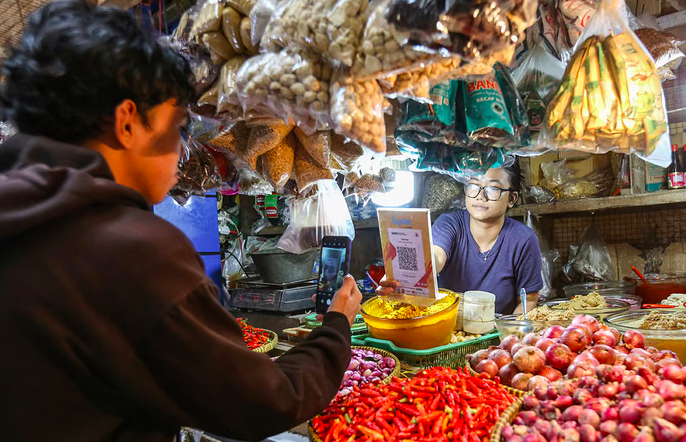
Paramadina University economist Wijayanto Samirin assesses that consumer spending during the Eid 2026 festivities is likely to be restrained, mirroring the public’s cautious stance amid economic uncertainties. This indication, according to Wijayanto, is evident from the decline in the number of mudik travellers and hotel occupancy rates in several tourist destinations compared to the previous Eid period. “From the reduced number of mudik travellers and the declining occupancy rates in several cities (including Yogyakarta), it is clear that this time the public is very careful in spending their money,” said Wijayanto when contacted by ANTARA in Jakarta on Thursday (26/3). According to him, this condition shows that consumer spending during this year’s Eid is more selective. Additionally, Bank Indonesia survey results reinforce this indication. In February 2026, the public was recorded as spending only about 72% of their income, while 11% was used for instalment payments and about 17% was saved. “The proportion saved is among the highest post-COVID-19, while that consumed and used for instalments is the lowest. This indicates that our society is very cautious at present, worried about their income prospects in the future,” he stated. Nevertheless, Wijayanto views the Eid momentum as still contributing to the national economy, particularly in the first quarter of 2026. He notes that almost all economic impacts from mudik and Eid activities this year are absorbed in the first quarter, while the follow-on effects in the second quarter are relatively limited. “This is dominated by spending by local communities receiving funds from mudik travellers,” he said. Furthermore, he explains that the circulation of money during Eid still plays a role in promoting economic equity in the regions. It is estimated that around Rp135 trillion to Rp145 trillion in funds spent by mudik travellers will flow to the regions, either through direct consumption or transfers to families. However, he warns of potential economic slowdown in the post-Eid period. This coincides with the end of seasonal consumption boosts as well as several external and domestic risks. According to him, economic growth in the second to fourth quarters of 2026 could be more moderate. This is influenced, among others, by the end of the Eid effect, potential disruptions to food production due to El Niño, rises in fuel prices, and imported inflation pressures due to rupiah depreciation. “Starting from the third quarter of 2026, I predict that most regional governments will face funding difficulties due to cuts in transfer funds, which will erode the role of regions as engines of economic growth,” he added.