
Social Minister: 45 Per Cent of Social Assistance Recipients Are Not the Intended Target
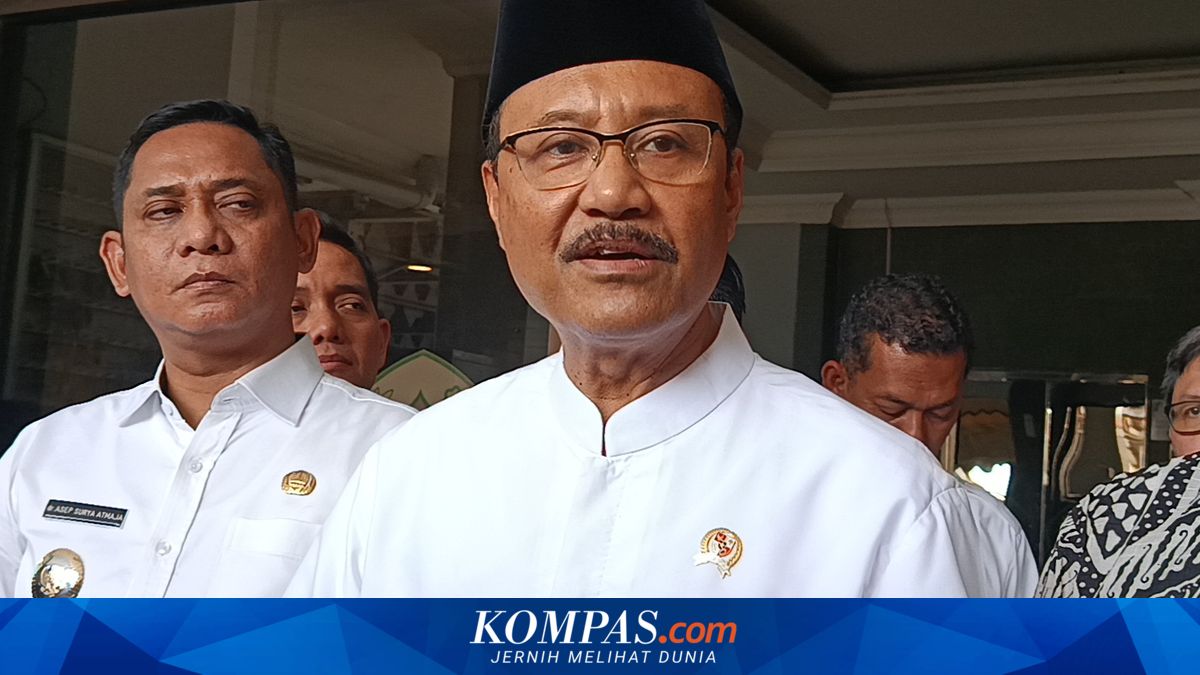
BEKASI, KOMPAS.com – Indonesian Social Minister Saifullah Yusuf stated that some recipients of social assistance (bansos) under the Family Hope Programme (PKH) and basic food assistance are suspected of not being the intended target.
The finding is based on the National Socio-Economic Data (DTSEN), which the government is currently using as the basis for updating the recipient database.
“So, it is suspected that 45 per cent of PKH and basic food assistance recipients are not the intended target. That is why we want to improve the system,” said Saifullah to the media when met in North Cikarang on Wednesday (25/2/2026).
The policy aims to integrate socio-economic data to make the distribution of social assistance and empowerment programmes more accurate, integrated, and targeted based on data by name and address.
“So, it is now clear that we are undergoing a data transformation and transition. We want the public to understand this transition process,” said Saifullah.
According to him, this data transformation is an important step to address the issue of inaccurate targeting that has occurred in the distribution of social assistance.
In the future, the Ministry of Social Affairs (Kemensos) will strengthen cooperation with village governments in the process of updating socio-economic data.
“We want villages to be at the forefront of this data update. So that any problems that exist in the village community can be identified early on,” said Saifullah.
In addition to villages, coordination will also be strengthened through formal channels, starting from the neighbourhood associations (RT/RW), sub-districts or villages, the Social Service (Dinsos), regents, the Ministry of Social Affairs, to the managers of the Integrated Social Welfare Data (DTKS).
Saifullah emphasised that the socio-economic conditions of the community change dynamically every day, so data updates must be carried out quickly and continuously.
“There are people who are born every day, people who get married every day, people who move up the economic ladder every day, and people who move down the economic ladder every day. So, the data is dynamic,” he said.
The increase in the level of welfare normally occurs gradually or moves up one decile at a time.
However, the dynamics on the ground require the government to be agile in collecting data.
“But normally, it moves up one decile at a time gradually. And we have to be able to collect data quickly,” said Saifullah.
The government hopes that through the transformation of DTSEN and the strengthening of cross-level government coordination, the distribution of social assistance such as PKH and basic food assistance will be more targeted and able to reach people who truly need it.
KOMPAS.com is committed to providing clear, trustworthy, and balanced facts. Support the sustainability of clear journalism and enjoy ad-free reading comfort through Membership. Join KOMPAS.com Plus now.