
Social Media Trial in Nadiem's Chromebook Case Lamented, Here's Why
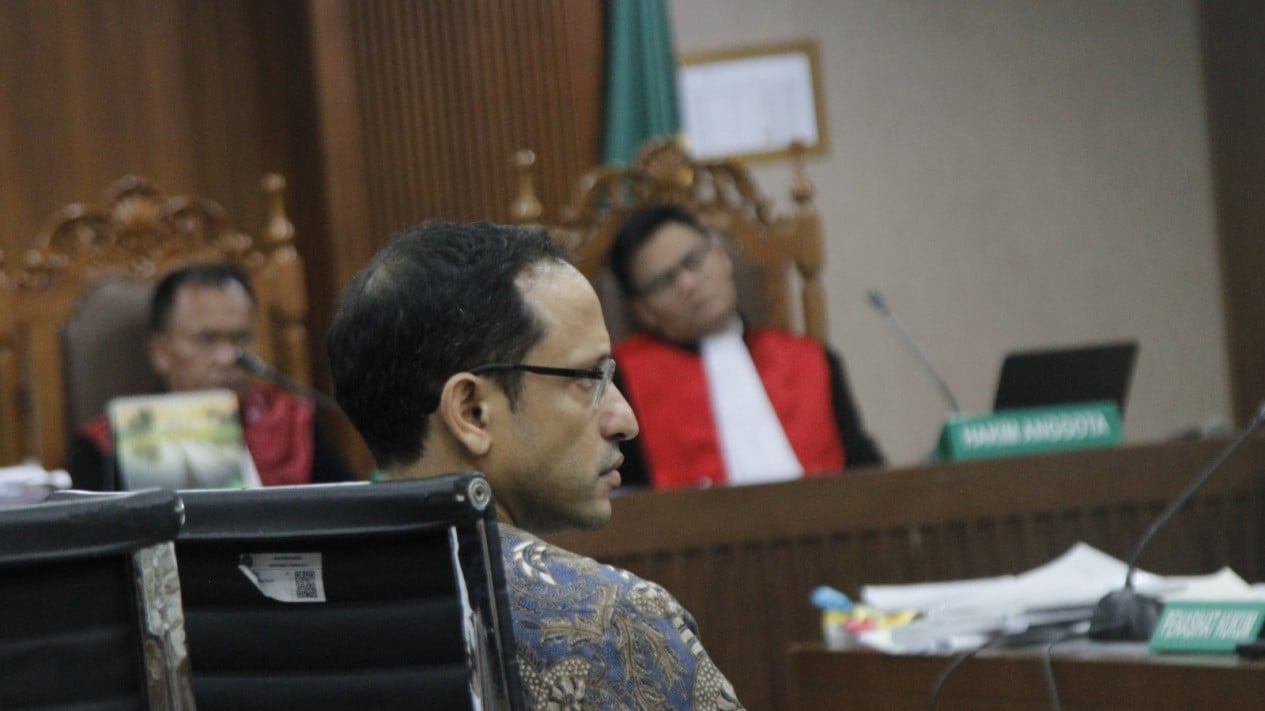
Jakarta, VIVA – The controversy surrounding the alleged corruption in the procurement of Chromebook laptops, which has dragged in former Minister of Education, Culture, Research, and Technology, Nadiem Makarim, is intensifying.
Not only in the courtroom, but debates are also raging on social media, giving rise to a phenomenon known as the “social media trial”. The narratives circulating are even seen as potentially disrupting the ongoing legal process.
Several parties are attempting to shape public opinion as if the case has already reached a final conclusion, even though the evidentiary process in court is not yet complete.
Legal expert Fajar Trio highlighted this trend. He warned of the dangers of public opinion intervention that could damage judicial independence.
“It is highly unethical if certain parties, especially those who are not experts in criminal law, try to dictate public opinion as if this case is already final in substance. We must respect the sub judice principle. We must not allow a trial by press that damages the judge’s independence in seeking material truth,” he told reporters on Thursday, 9 April 2026.
According to Fajar, narratives on social media often oversimplify legal issues. For example, the assumption that business schemes like debt-to-equity swaps or stock splits cannot be subject to criminal charges.
However, in criminal corruption law, the main aspect evaluated is not just the form of the transaction, but also the intent behind it.
“Criminal law does not only look at the shell of the transaction. Whether it’s a stock split or other financial engineering, if behind it is found malicious intent to benefit oneself or others by abusing authority, then the criminal element is fulfilled,” he explained.
He emphasised that the mens rea or malicious intent element is key and is currently being tested in the trial. Therefore, one-sided claims that a transaction is legitimate in business terms are misleading if they do not consider the entire process.
“Law enforcement is based on legal facts revealed in the trial. We must not get trapped in mere administrative narratives. If there is a malicious agreement under the table before the transaction occurs, its status remains a criminal act of corruption,” he said.
Not only that, Fajar also strongly responded to narratives linking the legal process to potential disruptions in the investment climate. He views such reasons cannot be used as a shield to avoid law enforcement.