
Social media becomes primary reference for self-medication practitioners
Jakarta — Scientific research demonstrates that self-medication practices are becoming increasingly widespread amongst the Indonesian population. Data from the Central Statistics Agency (2024) shows that the number of people engaging in self-treatment has reached 78.95 per cent.
This figure reflects that the majority of the population chooses to manage health concerns independently before consulting directly with medical professionals.
Self-medication itself constitutes a treatment effort undertaken by an individual to address health complaints without direct consultation with professional medical staff.
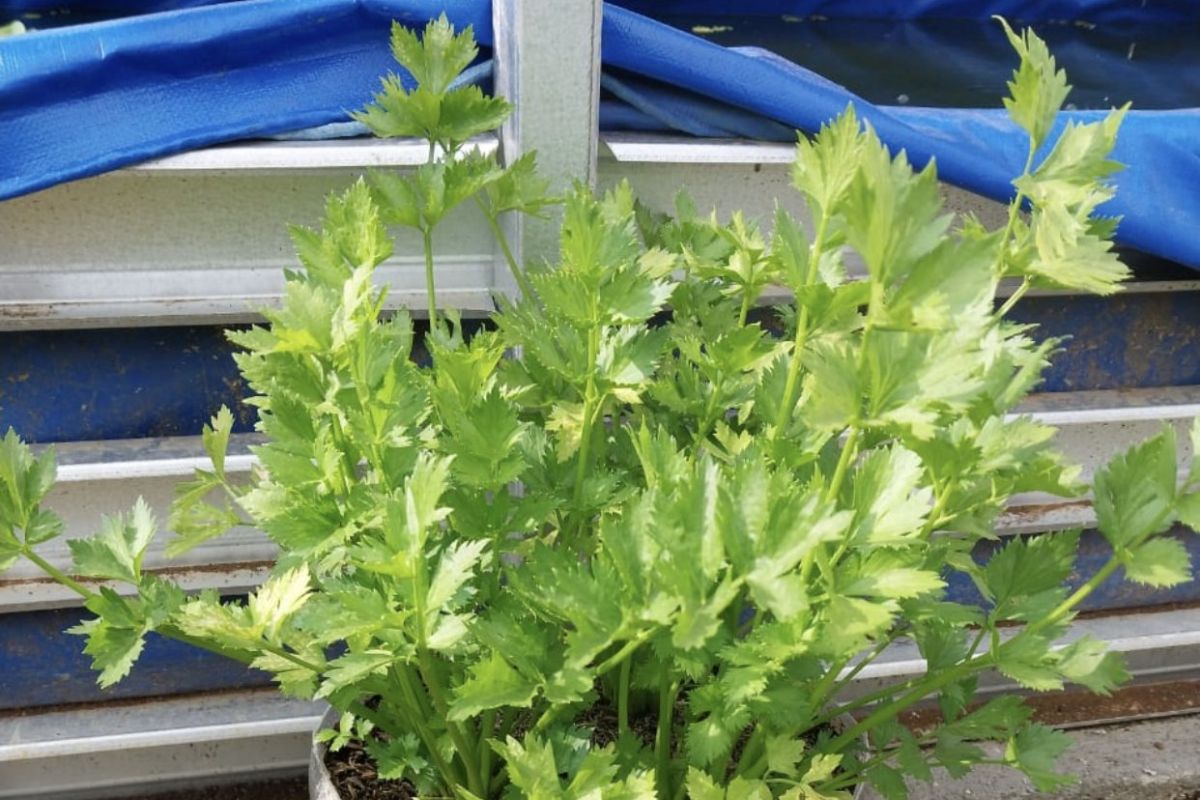
When experiencing disease symptoms, a person makes an independent decision to care for and treat the health disorder they are experiencing, either with medications available at home or by utilising natural materials such as medicinal plants.
This phenomenon does not occur uniformly across all Indonesian regions. Several areas demonstrate higher rates of self-medication compared to other regions.
South Kalimantan Province recorded the highest percentage, reaching 89 per cent. In Jakarta, the self-medication rate reached 76.02 per cent, whilst in West Java it was 80.22 per cent.
These high figures raise important questions. What motivates people to engage in self-medication, and who constitutes the reference group or source of guidance in making such independent treatment decisions?
To answer these questions, a research team from the Department of Communication Science at Pakuan University conducted scientific research using a qualitative approach. The research, which took place between 2025 and 2026, was funded by internal university grants.
The study involved 66 respondents to uncover the motivations and reference groups influencing self-medication decisions.
Additionally, researchers held a focus group discussion on 22 January 2026 to deepen field findings. The discussion featured various speakers, ranging from self-medication practitioners and herbalists to officials from the Bogor Regency Health Office.
The research informants were residents of Bogor Regency, West Java, aged at least 18 years, with experience in self-medication practices.
Most of them had experienced various health disorders such as gout, kidney stones, diabetes mellitus, cancer, high cholesterol, and vertigo. To address these conditions, they utilised various medicinal plants as part of their curative treatment efforts.
From a demographic perspective, the informants comprised 64 per cent women and 36 per cent men. The age range of respondents was quite diverse: 20–39 years (33 per cent), 40–59 years (50 per cent), and 60–78 years (17 per cent).
The informants were interviewed directly to explore their experiences and considerations in engaging in self-medication.
Key findings
One significant finding from this research is the role of reference groups in providing standards, values, and information guidance for individuals in determining treatment choices. These reference groups proved to be quite diverse, ranging from family to social media.
Research results showed that social media and the internet became the most dominant reference group, reaching 28.78 per cent.
When facing health concerns, many self-medication practitioners seek information through various digital platforms to discover types of medicinal plants believed to address their complaints.
Despite relying on social media, self-medication practitioners do not completely accept all information uncritically.
They tend to select sources considered to possess high credibility, particularly content delivered by individuals who work as doctors. The presence of such professional figures increases trust in the information conveyed.
The research also revealed differences in social media usage patterns based on age groups.
Social media as a reference source was most frequently used by the 20–39 year age group. Within this age group, approximately 50 per cent of respondents used social media as their primary source of guidance.
Many of them are young people who grew up alongside digital technology development. For this age group, the internet constitutes the main space for obtaining health information.
Conversely, in older age groups, social media usage as a reference source tended to be lower. In the 60–78 year age group, for example, only approximately 18 per cent used social media as a reference source in self-medication.
Beyond social media, family also played an important role as a reference group. Parents, including in-laws, served as reference sources for approximately 25.75 per cent of respondents. Knowledge about medicinal plant utilisation is often passed down through generations within families.