
Social Affairs Minister States Free Nutritious Meals Programme for Elderly Still in Concept Refinement Stage
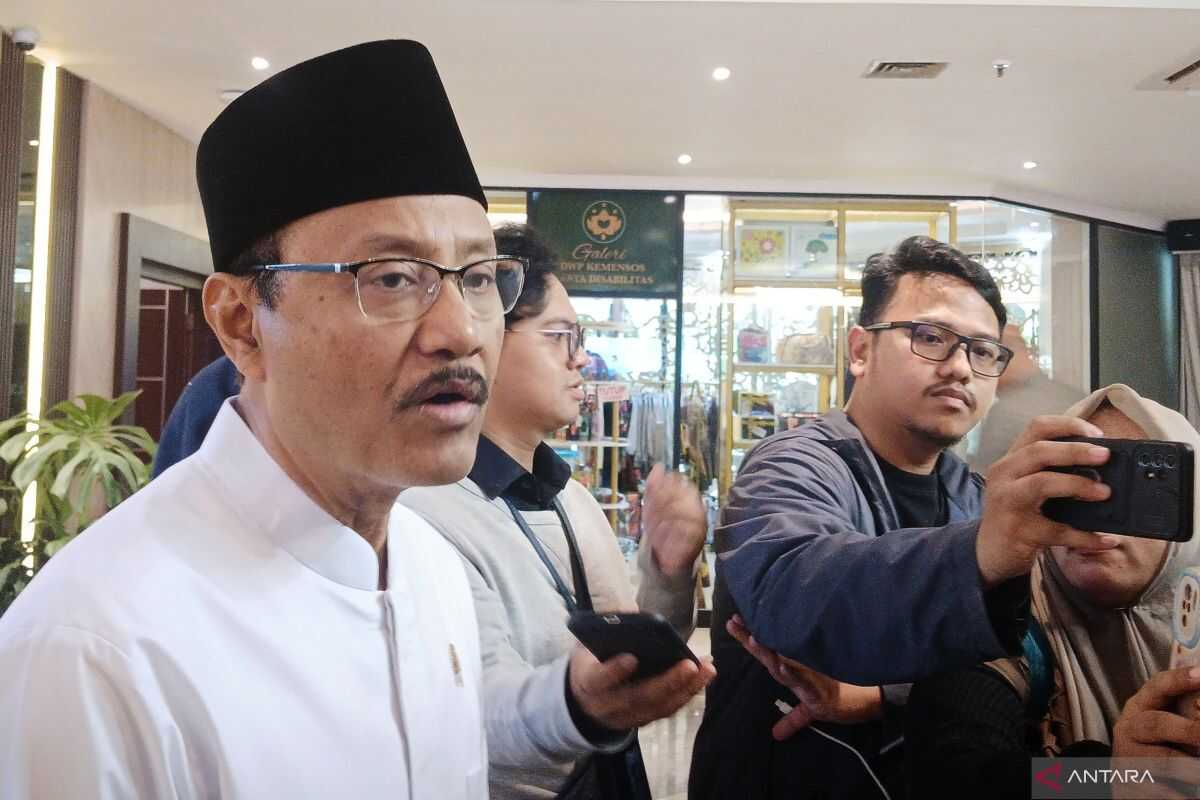
Jakarta (ANTARA) — Indonesia’s Social Affairs Minister Saifullah Yusuf has stated that the implementation plan for the Free Nutritious Meals Programme (MBG) for elderly citizens is currently in the concept refinement stage.
“Yes, we are still refining the concept,” said the minister, commonly known as Gus Ipul, when met following a meeting with the Mental Health Association at the Ministry of Social Affairs office in Jakarta on Friday.
The statement was made in response to journalists’ questions regarding the progress of the MBG plan for the elderly following his meeting with the Head of the National Nutrition Agency (BGN) Dadan Hindayana on Wednesday, 25 February.
The minister elaborated on several aspects the government is refining regarding the MBG for elderly persons, including the establishment of Nutrition Fulfilment Service Units (SPPG) that will prepare meals and distribute them through Ministry of Social Affairs staff, community groups, and caregivers.
“The plan is structured in this manner, but we are still refining it so that there will be more kitchens and we can reach more elderly persons,” he said.
He also stated that the government hopes the MBG provision will reach between 300,000 and 500,000 beneficiaries.
“Previously we served approximately 100,000 elderly persons and approximately 36,000 persons with disabilities. Going forward, our hope is that this can expand to between 300,000 and 500,000 beneficiaries, so we expect the number of beneficiaries to be significantly larger. However, all of this is still in the planning stage,” he said.
Earlier, Gus Ipul had stated that the determination of MBG beneficiaries among elderly persons and persons with disabilities will be conducted through a data-based assessment process involving the Ministry of Social Affairs and regional governments. This data will then be ratified by regional heads before being submitted to the BGN as the basis for service delivery at the SPPG.
According to him, the primary target of this programme is elderly persons aged over 75 years living alone and persons with disabilities who face limitations in accessing adequate daily nutrition.