
Smooth Roads, Empty Wallets
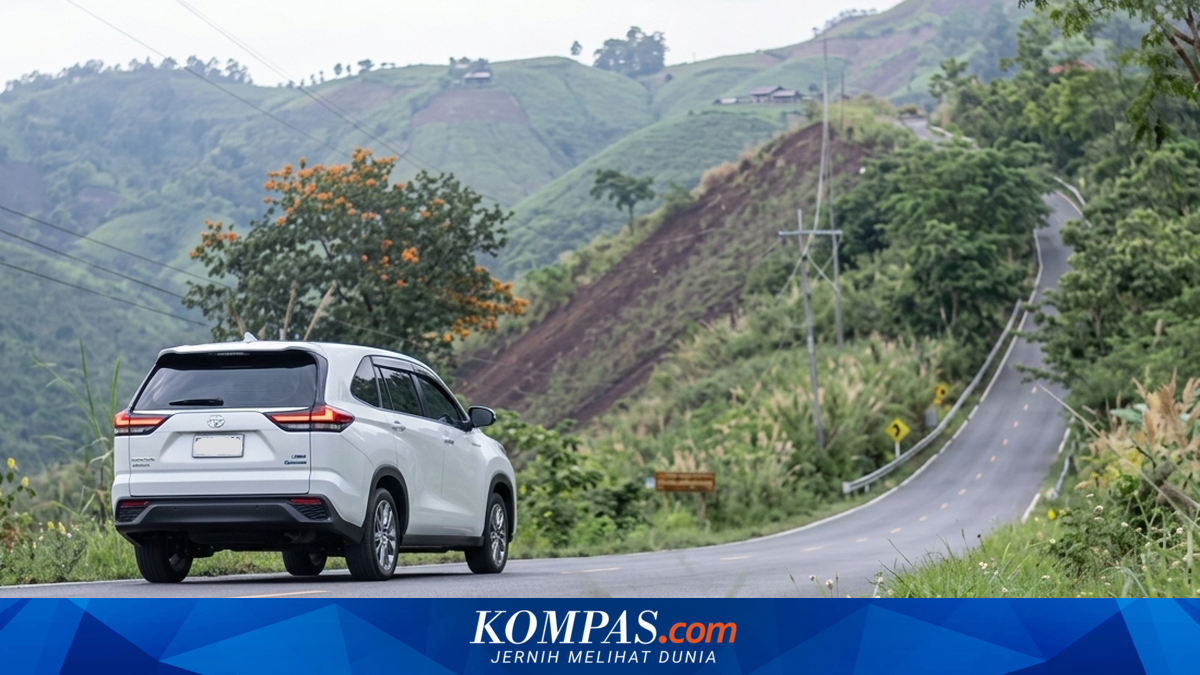
On paper, villages in Indonesia appear increasingly connected. Concrete roads are built every year, bridges are extended, and accessibility figures continue to improve. However, on the ground, reality runs in the opposite direction. Villagers are indeed closer to roads, but movement has become more expensive. Smooth roads do not automatically mean affordable mobility. That is the root of the transport poverty problem in rural Indonesia. Data shows a paradox that is hard to ignore. Around 76.8% of rural residents now live within a two-kilometre radius of roads passable year-round. The government, through the Village Fund, has also built more than 308,000 kilometres of village roads. But proximity to roads is not synonymous with ease of mobility. On the contrary, the majority of villages in various regions, especially Papua, Maluku, Sulawesi, and Kalimantan, lack daily public transport services. Roads exist, but nothing passes through them. The absence of these services forces rural households to make less-than-ideal decisions: buying motorbikes. Around 89.1% of rural households now own motorbikes, not due to increased prosperity, but because of the lack of alternatives. Vehicle instalments become a new burden, accident risks rise, and household transport expenditures soar far above reasonable levels. Under normal conditions, transport expenditure should not exceed 10% of income, as per the International Labour Organization (ILO) benchmark. Yet in villages, the poorest groups spend up to 18.7% of their income just to get from place to place. This means mobility is no longer a tool to enhance welfare, but rather a burden that deepens poverty. The problem becomes even more complex when viewed from a regional perspective. Disparities in mobility costs between areas are stark. In Papua, for example, the cost to cover the same distance can be up to 4.5 times higher than in Java. This rise in transport costs also directly impacts regional inflation, particularly through the high cost of goods distribution. In other words, expensive mobility not only limits people’s movement but also restricts access to basic needs. Ironically, transport development policies to date have tended to focus heavily on physical infrastructure.