
Smooth Mudik Lebaran: Understanding Rest Area Facilities on Toll Roads
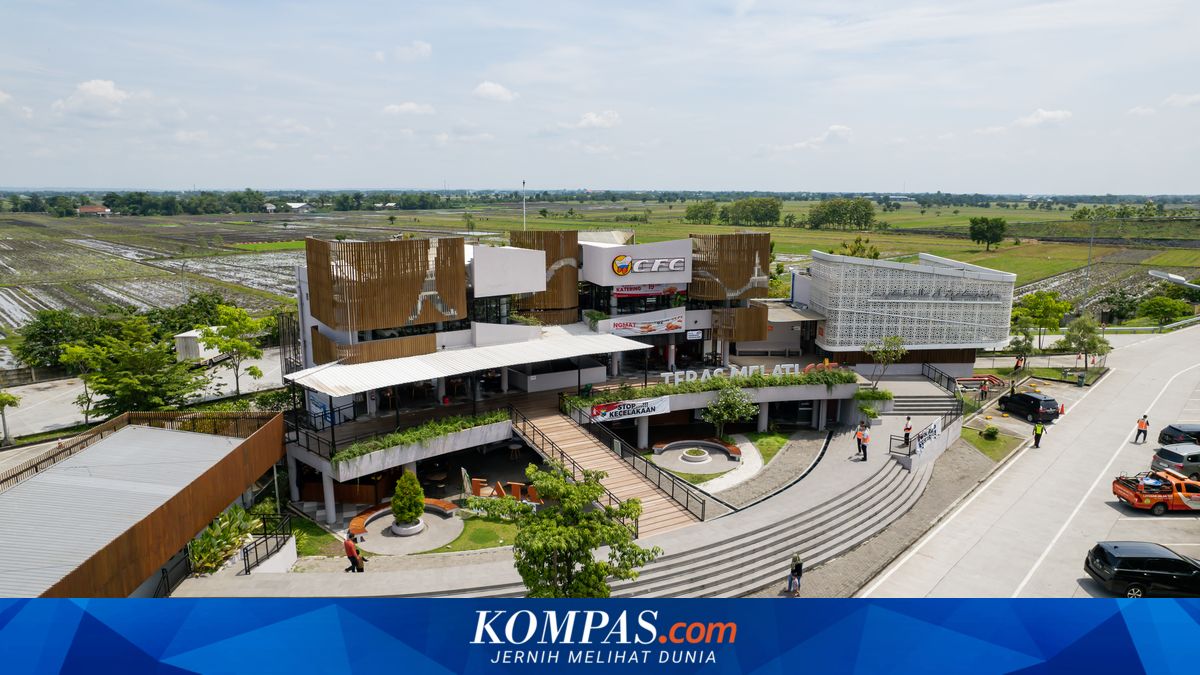
BEKASI — The Lebaran exodus using four-wheeled vehicles is inseparable from rest areas when traversing toll roads.
Typically, each rest area or resting place has various advantages designed to support travellers.
Kris Ade Sudiyono, Secretary General of the Indonesian Toll Road Association (ATI), stated that toll roads across various regions in Indonesia are currently preparing to manage the flow of Lebaran exodus and return traffic in 2026.
Each rest area type will offer different facilities.
More specifically, Kris explained that rest area classifications are set out in the Regulation of the Minister of Public Works and Housing No. 10/PRT/M/2018 of 2018.
Under this regulation, Type A rest areas are equipped with comprehensive facilities, typically spanning approximately 6-7 hectares.
More specifically, Type A rest areas offer facilities including ATM centres, toilets, public petrol stations (SPBU), health clinics, workshops, minimarkets, prayer rooms (musala), kiosks, parking areas, green open spaces, and restaurants.
Meanwhile, Type B rest areas generally feature available facilities including ATM centres, toilets, stalls or kiosks, minimarkets, prayer rooms, restaurants, green open spaces, and parking areas.
Type C rest areas meanwhile include facilities such as toilets, stalls or kiosks, prayer rooms, and temporary parking areas.
Generally, Type C rest areas are only operated at certain times, such as during extended holidays or major religious occasions like the Lebaran exodus.