
Smiles of joy from delman drivers in Garut when banned from operating
The sound of horse hooves has long been a familiar feature on streets throughout the urban areas and main roads of Garut Regency, West Java. However, this atmosphere will change when traffic safety measures are implemented during the homecoming and return period for the Eid al-Fitr celebration in the Islamic year 1447.
For seven days — three days before and four days after Eid — delmans (traditional horse-drawn carts) are prohibited from operating on main roads. The holiday traffic management policy requires this traditional form of transport to temporarily cease operations, making way for the expected surge of holiday-bound vehicles.
For traffic purposes, the decision is considered necessary. However, for the delman drivers, the prohibition feels like a difficult decision. Particularly since Eid is typically a peak season for earnings. When people return to their hometowns and the city atmosphere becomes busier than usual, delmans are frequently sought for short journeys, family tourism, or simply to nostalgically enjoy slow travel amid the festive season hustle and bustle. This opportunity usually means additional income that is not always available in other months.
Therefore, when the prohibition was implemented, anxiety initially lingered in the minds of delman drivers who depend on horse hooves and wooden wheels for their livelihood. However, this anxiety gradually dissolved. The West Java Provincial Government prepared compensation funds as replacement for the days without operations.
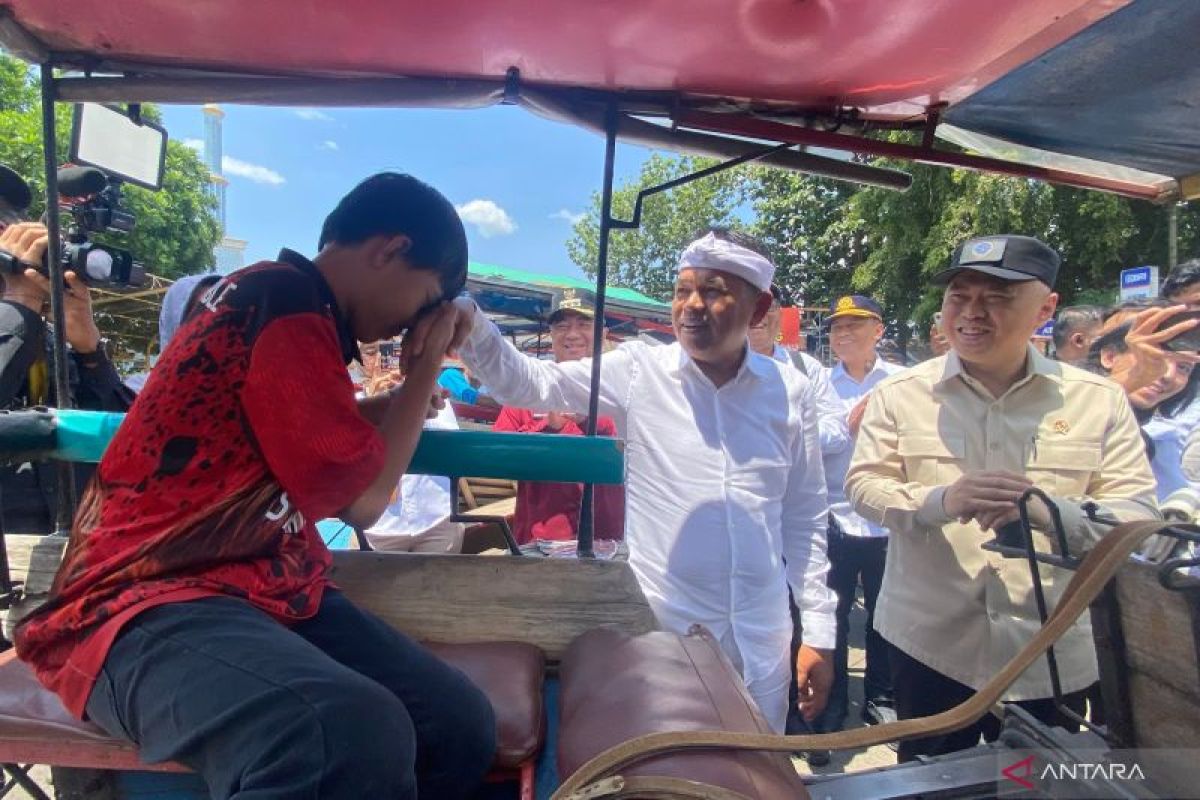
For delman drivers who have long depended on this traditional mode of transport for their living, the compensation policy became welcome relief. Faces of ease were evident when the delman drivers gathered at the Garut Police Command headquarters on Saturday (14 March 2026).
Enthusiasm radiated as they awaited the distribution of compensation funds that would be symbolically handed over directly by West Java Governor Dedi Mulyadi.
Despite the fairly hot weather due to the intense sun, this did not deter them from staying in the area. They persisted in waiting on delman benches, and some stood beside their horses waiting for the Governor’s arrival.
Cheerful cheers from the delman drivers erupted, welcoming the Governor who arrived around 13:00 WIB. At that moment, there were no shouts of protest or displeasure at being prohibited from operating by the government around the Eid holiday. Instead, they were pleased, as expressed by delman driver Ii Saepudin (67), stating that the compensation provided was very helpful and more than sufficient to meet his daily living needs and Eid expenses, including horse feed.
“Praise be to God, I am pleased. I will use the money for daily needs, and we are fully prepared not to operate,” said the man who has been a delman driver since childhood.
He has now received this assistance twice. The year before at the same time he also received compensation, and this year he received it again, plus he additionally received a direct bonus from the West Java Governor in the form of sheep-rearing business capital assistance worth 10 million rupiah.