
SME Minister Reveals Data Discrepancy in Chinese Textile Imports, Indicating Under-Invoicing
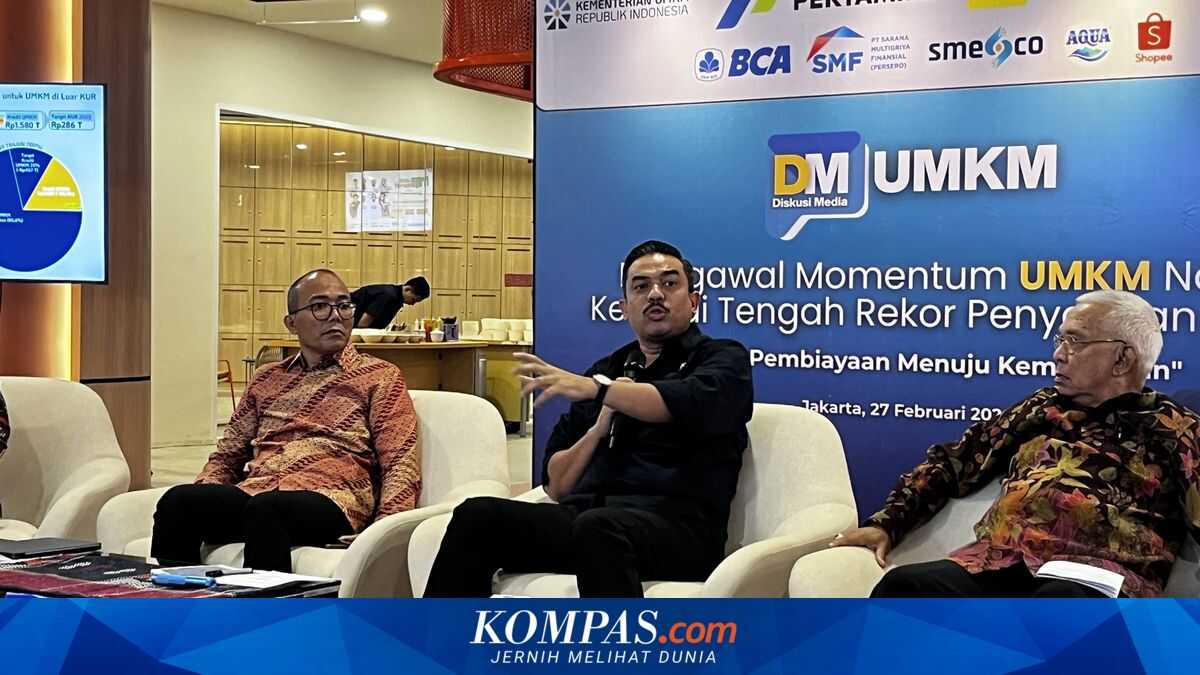
Jakarta – Indonesia’s Minister for Micro, Small and Medium Enterprises (MSMEs) Maman Abdurrahman has revealed a significant disparity between China’s textile export data and the import data recorded in Indonesia, indicating potential under-invoicing or misrepresentation of import values.
The minister presented these findings whilst discussing the primary challenge facing Indonesian MSMEs, which he identified not as lack of financing but rather as markets flooded with imported products from China.
Abdurrahman presented a graph comparing Chinese export data and Indonesian import data from the United Nations Trade and Development covering the period 2013 to 2024. “The red line represents Chinese exports and the red line represents Indonesian imports – so the red line is the goods that arrived and were recorded in Indonesia, whilst the blue line is what was recorded as exports in China,” Abdurrahman explained during a discussion at his office in Jakarta on Friday (27 February 2026).
Data from 2019 shows China exported textiles to Indonesia valued at 118 million US dollars. However, Indonesian import records only registered 28.7 million US dollars. Chinese baby clothing exports reached 9.4 million US dollars, yet Indonesia’s recorded imports were only 3.1 million US dollars.
For women’s underwear, Chinese exports in 2021 totalled 93 million US dollars, but Indonesian import data showed only 21.8 million US dollars. Similarly, men’s underwear exports from China in 2021 reached 24.2 million US dollars, whilst Indonesia’s import records registered only 6.8 million US dollars. In 2024, Chinese t-shirt exports totalled 61.7 million US dollars, compared to Indonesia’s recorded imports of just 20.4 million US dollars.
Abdurrahman concluded that these discrepancies strongly suggest under-invoicing or falsification of import values. The products entering Indonesia originate from sectors also served by Indonesian MSMEs.
“Baby clothing is precisely what our MSMEs are producing,” Abdurrahman stated. “There is a significant gap between what is recorded as imports here and what is recorded as exports in China.”
He stressed that Chinese products represent a serious problem for Indonesian MSMEs, with goods entering illegally and not all properly recorded through official channels, with many utilising under-invoicing methods.
“Our import data shows goods valued at 100, but China’s recorded export data shows 900. That means 800 units are unrecorded. These are flooding our domestic market,” Abdurrahman explained. “The problem is not merely about lost government import revenue,” he added.