
SME Actors Say Electric Stoves Are a Cost-Saving Solution Amid Price Surges
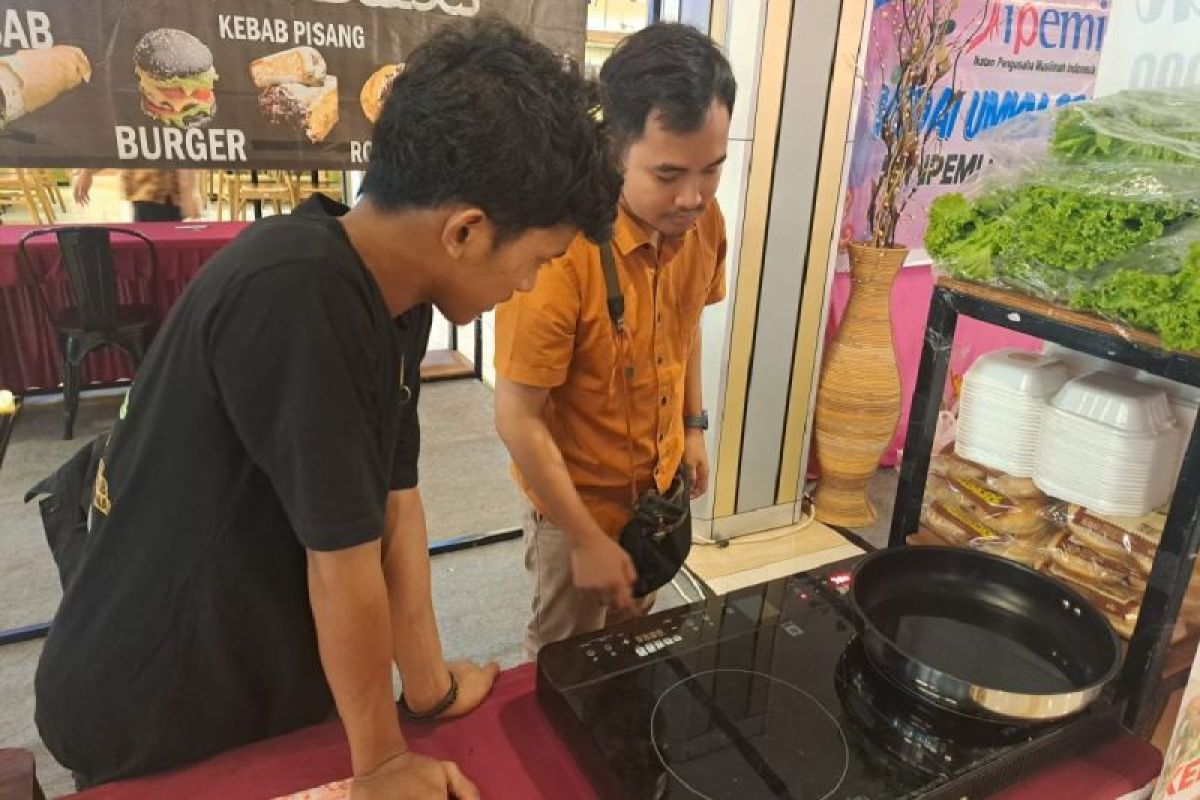
Jakarta (ANTARA) - SME actors who also use induction cookers state that the efficiency of operational costs and the ease of electric heating technology features provide a real solution for households amid the challenge of surging global energy prices.
Owner of a martabak business in Jakarta, Andi Arif, said that the initial investment in an electric stove is far more economical because, in addition to fluctuating gas prices, users are no longer burdened with the cost of buying new gas cylinders.
“From an operational perspective, the increase in electricity bills is only around Rp30,000 per month,” he said in Jakarta on Friday, regarding the government’s plan to reimplement a subsidised electric stove programme.
According to his calculations, this additional monthly electricity cost is very competitive compared to routine expenses for refilling gas cylinders, which are currently steadily rising.
In agreement, Siti Sarah (45), an operator of a home-based catering SME, directly feels the positive impact of switching to an electric stove on her business efficiency.
According to her, using an induction cooker makes production costs much more economical, so the profits or earnings from each order become more maximised compared to when still using LPG.
“Since using an electric stove, cooking energy expenses have become more stable and cheap; the remaining money can be used for additional raw material capital. Cooking is also faster and cleaner, so I become more productive in accepting many orders every day,” said Siti.
Meanwhile, Hevy Prasmawati, a housewife, added to the advantages of electric stoves, which have more stable and even heat on the food.
The results of the cooking are also more precise. In addition, Hevy appreciates smart features such as automatic modes for frying to steaming, which provide ease as well as greater safety for household members.
She said that the use of cooking utensils made from composite materials specially designed for induction is the main key to achieving maximum results.
Although this device has a power of around 1,300 watts, using the right cooking utensils actually speeds up the ripening process, so power consumption remains effectively controlled.
According to her, with all the conveniences and long-term cost savings, the transition to electric cooking devices is now seen not merely as a lifestyle trend, but as a strategic step to maintain economic stability for households and small business actors.
“Electric stoves are now not just a lifestyle, but a real solution to stay economical amid global energy challenges,” said Hevy.
Previously, Energy and Mineral Resources Minister Bahlil Lahadalia urged the public to save on gas supplies in the simplest way.
According to him, that method is to not waste LPG; thus, when the food is cooked, the gas usage should be turned off immediately.
In a press conference in Colomadu, Karanganyar Regency, Central Java, on Thursday (26/3), Bahlil also mentioned that electric stoves could be an alternative for the public amid the issue of soaring global oil prices.
Meanwhile, MPR Vice Chairman Eddy Soeparno stated that he is ready to support the government’s efforts to accelerate the electrification process, both in the transportation sector, industry, and cooking using electric stoves.
He stated that the transition from LPG cooking stoves to electric stoves requires cheaper costs compared to the costs spent on LPG import subsidies.
“We have calculated that it will still be cheaper (transition to electric stoves) than importing LPG,” said Eddy to ANTARA when contacted from Jakarta on Monday (23/3).
According to him, the costs calculated for the transition to electric stoves include providing electric stoves, two frying pans, and free installation of separate electricity connections.
Based on those calculations, he added, the required costs are lighter compared to the subsidy burden to suppress LPG prices.