
Smartphones Priced Below 1 Million Rupiah Set to Disappear as Chip Crisis Hits
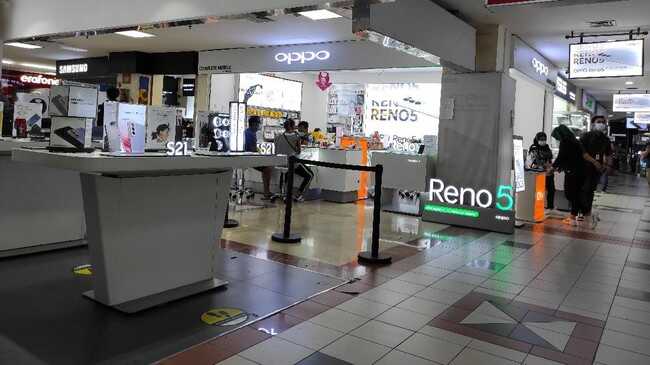
Jakarta — The global memory chip shortage stemming from burgeoning artificial intelligence development continues to wreak havoc on the smartphone market with no near-term relief in sight.
According to the International Data Corporation (IDC), the phenomenon resembles a tsunami propagating through the memory supply chain with ripple effects spreading across the entire consumer electronics sector. “What we are witnessing is not temporary pressure, but a tsunami-like shock to the memory supply chain, with ripple effects spreading across all consumer electronics industries,” said Francisco Jeronimo, IDC’s lead mobile device research analyst, as cited by CNN International on Monday, 2 March 2026.
IDC’s report indicates that average smartphone selling prices will surge 14% throughout 2026, reaching the highest level of $523 (8.7 million rupiah). Simultaneously, manufacturers can no longer produce budget smartphones priced below $100 (1.6 million rupiah).
The corporation also predicts that smartphone sales will reach another record milestone—albeit a negative one. Sales are anticipated to decline by 12.9% to 1.12 billion units, representing the lowest figure in over a decade.
Since late last year, the semiconductor market has been in crisis as the artificial intelligence sector experiences explosive growth. This expansion has been accompanied by rapid data centre development, which consumes substantial quantities of memory chips.
However, manufacturers cannot meet this demand whilst supplying other consumer electronics simultaneously. They have redirected supply towards the AI industry, leaving minimal allocation for products such as smartphones, laptops and gaming consoles.
According to IDC, the memory chip shortage will not enable the market to return to normal conditions. Indeed, it will have permanent repercussions for smartphone manufacturers.
The more severe impact will be borne by smaller manufacturers utilising Google’s Android operating system.
Conversely, major players such as Samsung and Apple are likely to avoid the brunt of these negative effects. These technology giants will have the opportunity to expand their respective market shares.
“In short, nothing will return to normal for either sellers or consumers,” said Nabila Popal, IDC’s senior research director.