
Smart Breakthrough in Paddy Storage
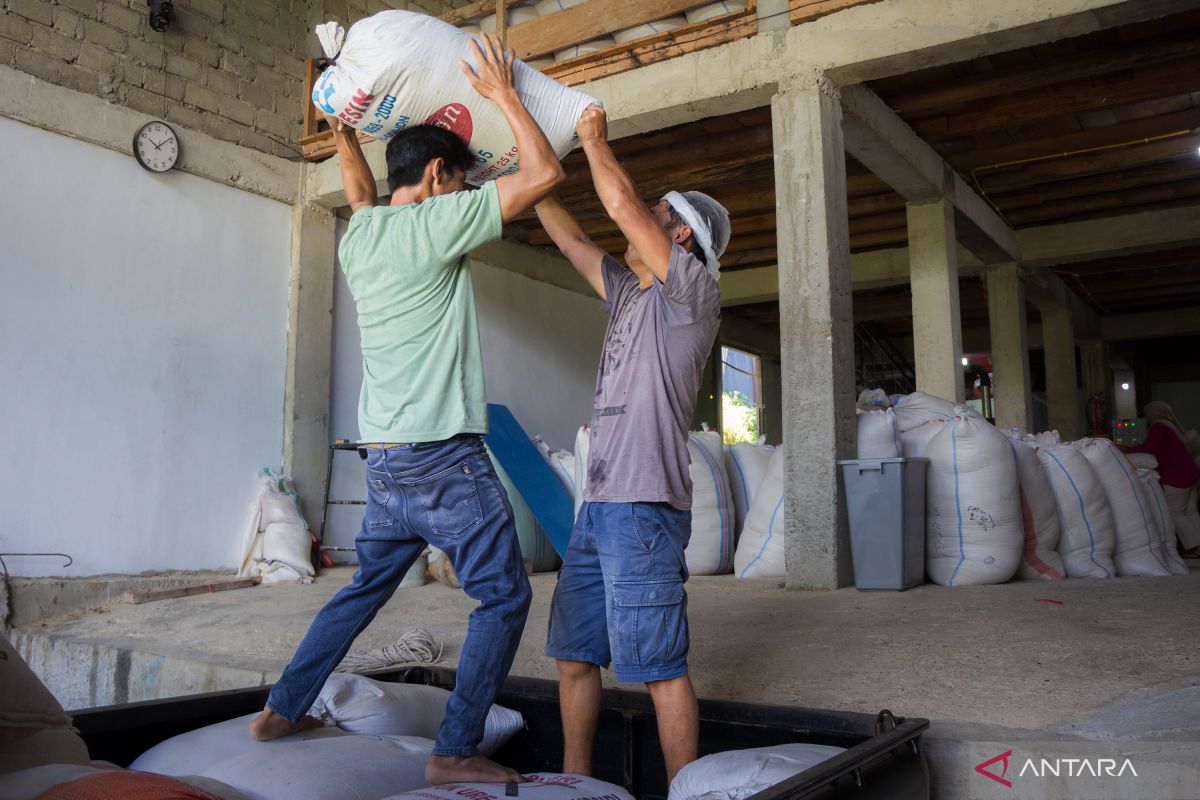
Sometimes, the future of food security is determined by seemingly simple matters, such as moisture content in paddy, warehouse ventilation, or precise temperature monitoring in storage.
Jakarta (ANTARA) - When discussing national food security, there is actually one issue that often escapes public attention: how the paddy harvested by farmers is stored after being reaped from the fields.
Yet, this is where the fate of the nation’s food quality is often decided. No matter how much agricultural production improves, it can all lose meaning if storage is not managed properly.
Damaged, mouldy, or rotting paddy not only harms farmers but also poses a real threat to the stability of the country’s food reserves.
The 59th anniversary of Perum Bulog on 10 May 2026 serves as an important reminder that Indonesia’s food security challenges are no longer just about increasing rice production, but also about managing large harvests safely, efficiently, and sustainably.
It is recorded that Bulog is now facing a new experience as it must manage the Government Rice Reserve up to around 5 million tonnes by the end of April 2026. This amount far exceeds previous management capacities, which have typically ranged from 1.5 to 2 million tonnes.
The large size of the government rice reserve actually indicates new optimism regarding national food production. However, behind this achievement, major questions arise regarding the readiness of the national storage system.
Because storing paddy is not just a technical matter of placing the harvest in a warehouse. Storage is an important part of the food security chain that determines whether farmers’ hard work can truly last until it reaches consumers’ tables.
So far, paddy storage issues have often been considered simple, yet their impact is very broad. Paddy stored in humid conditions can trigger the growth of mould and bacteria.
Unstable temperatures cause quality to decline. Pest attacks result in significant harvest losses. Even extreme weather and rainy seasons can worsen the situation when freshly harvested paddy lacks adequate drying facilities.
In many areas, farmers still face storage space limitations. Not a few have to store paddy in makeshift places with minimal ventilation and poor protection against humidity.
This condition makes paddy easily damaged before it can be sold or further processed. When quality declines, selling prices drop, and ultimately farmers become the most vulnerable party bearing the losses.
Paddy Storage
The problem becomes even more complex because paddy storage issues not only concern physical aspects, but also quality, economics, and regulation. From a quality perspective, paddy is prone to rotting, mould contamination, and pest attacks during storage.
From an economic perspective, high storage costs make farmers often dependent on third parties. This dependence creates a weak bargaining position, as farmers must pay additional costs while facing risks of harvest damage.
Regulatory issues have not yet provided adequate protection. Storage standards are often unclear and not uniformly applied across regions. As a result, farmers lack strong guidelines on safe and efficient storage methods.
In many cases, farmers still heavily rely on government facilities without full control over their own paddy storage processes.
Yet, in the current era of climate change, food storage systems are becoming increasingly important. Changes in seasonal patterns make harvest times less predictable.