
Smallholder Farmers Reluctant to Fell Ageing Palm Trees as Rejuvenation Programme Stalls
JAKARTA — Indonesia’s smallholder palm oil rejuvenation programme (PSR) is encountering significant obstacles at the farmer level. Many smallholder palm oil farmers are choosing to retain their ageing plantations because they fear losing their source of income if the palm trees are felled for replanting.
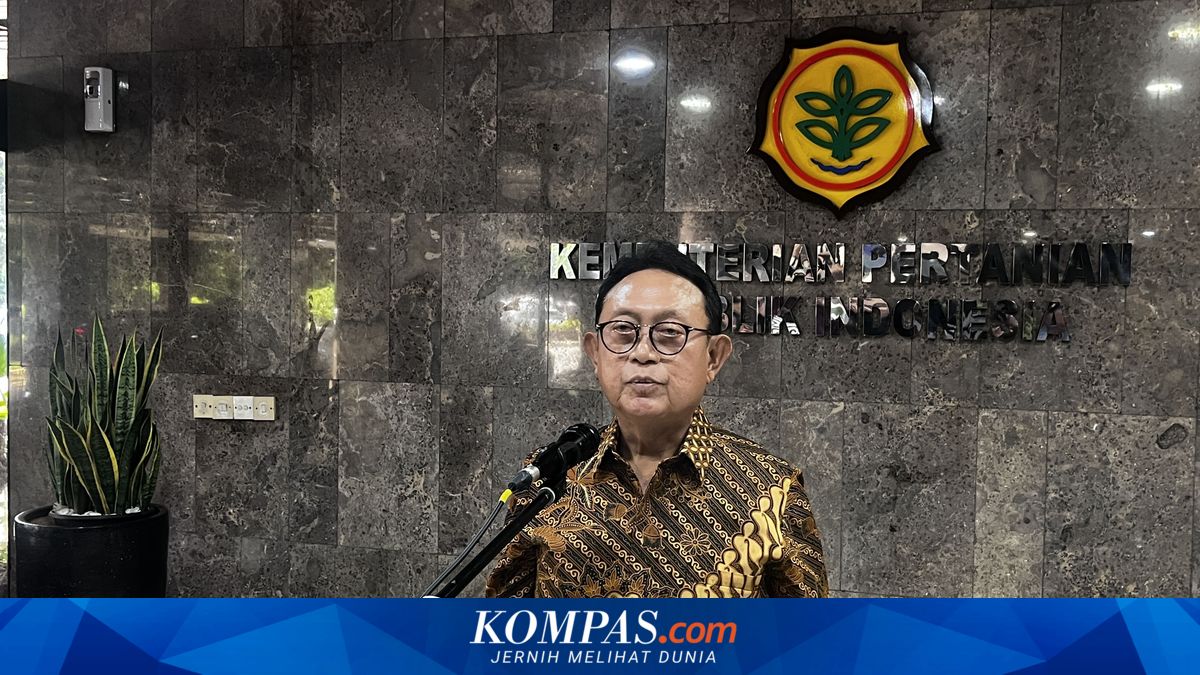
Eddy Martono, Chairman of the Indonesian Palm Oil Entrepreneurs Association (GAPKI), stated that this situation has been communicated to Agriculture Minister Andi Amran Sulaiman. According to him, the primary factor discouraging farmers from proceeding with rejuvenation is the uncertainty regarding income during the waiting period whilst new plantations reach production.
“For example, with current fresh fruit bunch (FFB) prices at Rp3,000 per kilogram, they do not want to fell their trees,” Eddy said when met at the Agriculture Ministry office in Jakarta on Wednesday (11 March 2026).
The farmers, Eddy explained, are questioning their means of livelihood if their palm plantations are felled, whilst newly planted seedlings require considerable time before they can be harvested.
“They ask: ‘What am I to eat if I fell my plantation?’ This is the issue we must find a solution for,” Eddy stated.
To address this problem, GAPKI has proposed providing livelihood guarantees for farmers during the rejuvenation period. Additionally, farmers are being encouraged to adopt intercropping to maintain income streams.
According to Eddy, this proposal received a positive response from Agriculture Minister Andi Amran Sulaiman. Newly replanted palm trees typically require approximately 2.5 years before they can be harvested.
“He has agreed, so we will discuss how to ensure our production increases far beyond current levels,” Eddy said.
According to Eddy, rejuvenated palm plantations can yield significantly higher production than ageing ones.
“From merely 10 tons of FFB per hectare annually at present, even below that figure, it could rise to 20 tons — double the current output,” Eddy noted.
He added that Indonesia’s crude palm oil (CPO) production in 2025 reached approximately 51 million tonnes. When combined with palm kernel oil, total production reached approximately 56 million tonnes.
This production increase, Eddy said, has been substantially supported by rejuvenation undertaken by large palm oil plantation companies. However, rejuvenation among smallholder plantations remains sluggish.
“In fact, our production could be far higher if smallholder palm oil rejuvenation proceeded smoothly,” he concluded.