
Slum Settlements as a Symptom of Development
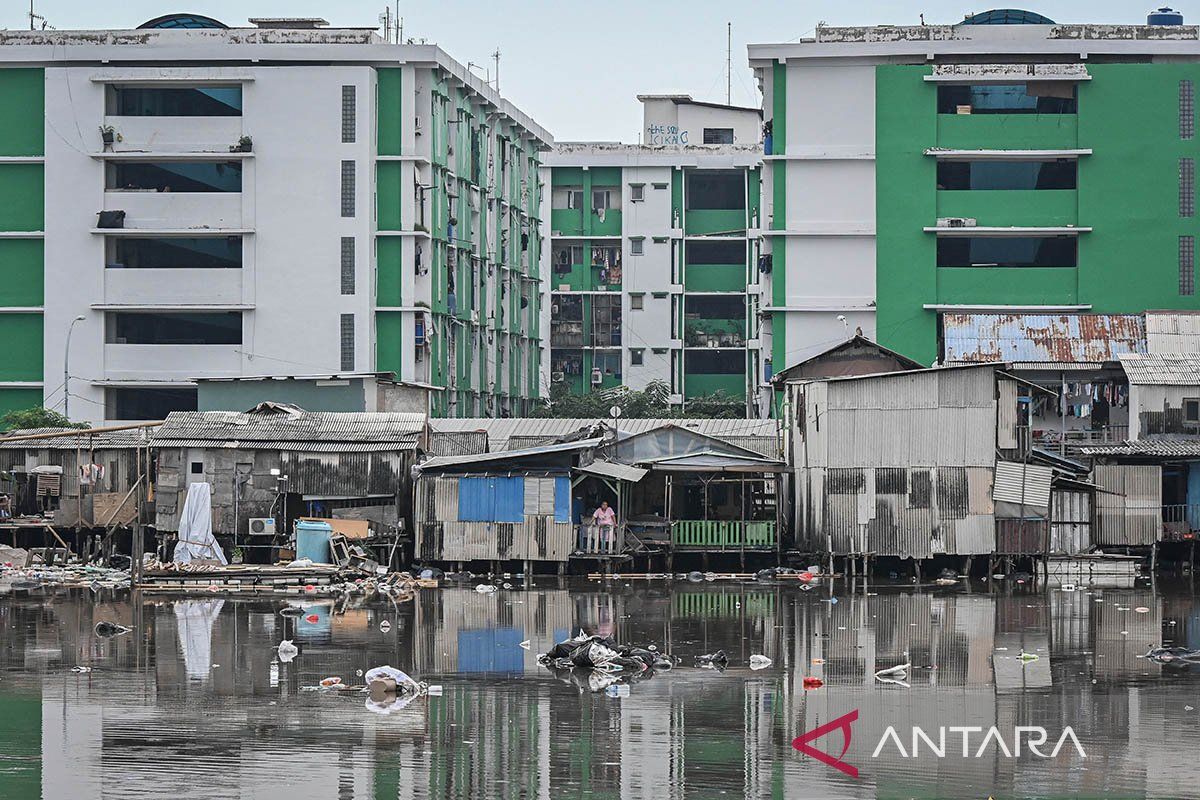
Slum settlements endure not because they are desired, but because they are needed. Jakarta (ANTARA) - Slum settlements are often viewed as symbols of development failure: densely populated environments, unfit for habitation, with minimal sanitation, and vulnerable to various social problems. However, such perspectives are frequently misleading. Slum settlements are not merely problems to be eradicated, but symptoms of structural imbalances in economic and urban development. In other words, slum settlements persist not because they are wanted, but because they are necessary. The policy approaches commonly employed thus far, such as evictions, relocations, and the construction of high-rise flats on the outskirts of cities, have proven ineffective in resolving the issue at its root. In many cases, these policies merely shift the problem from one location to another. Indonesia is no stranger to this pattern. Various slum area improvement programmes in major cities like Jakarta, Surabaya, and Medan often face dilemmas between enforcement and the sustainability of residents’ economic lives. Data indicates that this is no minor issue. According to data from the Ministry of Public Works and Public Housing (Kementerian PUPR), the extent of slum areas in Indonesia in recent years still reaches more than 30,000 hectares, spread across hundreds of cities and regencies. Meanwhile, the Central Statistics Agency (BPS) records that around 8-10% of the urban population still lives in areas with substandard housing conditions. These figures reflect millions of people who depend on living spaces that are formally considered “below standard”. Why does this condition persist? The answer lies in three main factors: housing affordability, proximity to employment, and access to education. In Indonesia’s major cities, formal housing prices have risen far faster than people’s incomes. In Jakarta, for example, house prices in urban areas can reach more than 10-15 times the average annual household income. This is far above the ideal affordability threshold, which is generally in the range of 3-5 times annual income. As a result, low-income groups have few options. They must choose between living far on the outskirts with high transportation costs or residing in informal areas close to economic activity centres. Many opt for the latter, as it is more economically rational. Living in slum settlements allows them to save on transportation costs and maintain access to employment, even if it means sacrificing living environment quality. This phenomenon shows that slum settlements actually serve an economic function. They act as an “entry point” for migrants from rural to urban areas. Each year, urbanisation in Indonesia continues to increase. The percentage of the urban population has exceeded 57% and is projected to reach more than 65% by 2035. This migration is driven by hopes of better job opportunities and broader access to education for the next generation.