
Slum Neighbourhoods in Tambora, West Jakarta, in the Spotlight; District Head Calls Them a Legacy from the Sunda Kelapa Era
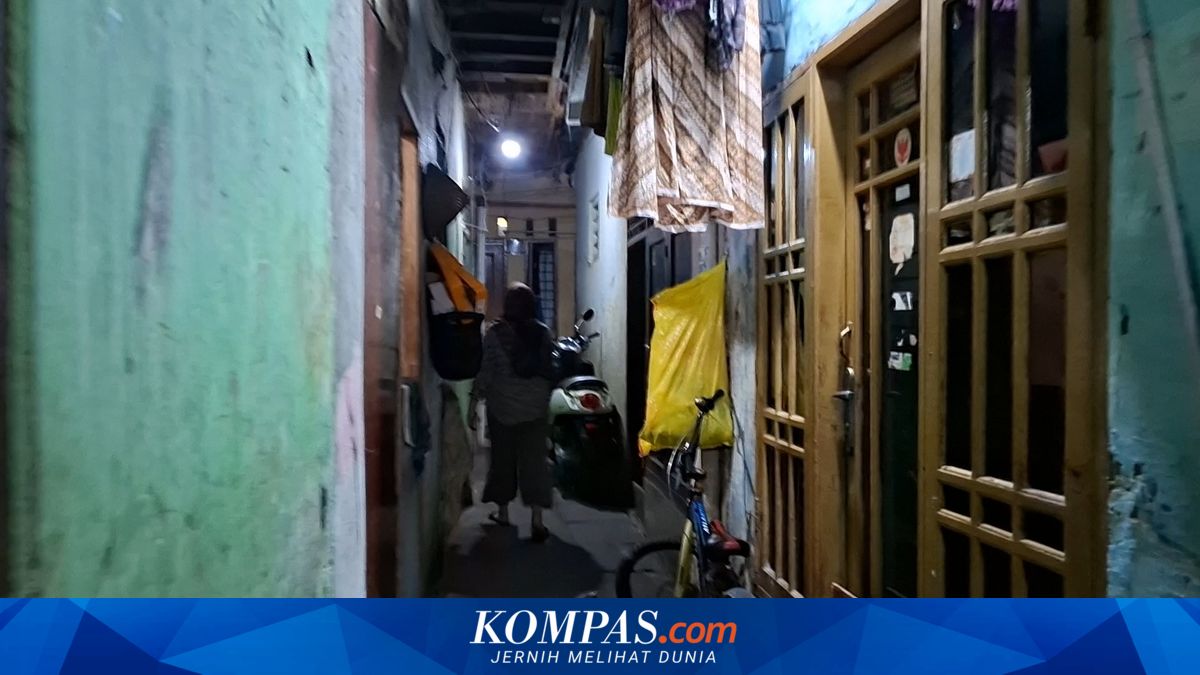
The designation of Tambora sub-district in West Jakarta as the most densely populated area still filled with slum settlements has deep historical roots. Tambora District Head, Pangestu Aji, revealed that the cramped and overlapping spatial layout in his area is not a new issue but an accumulation of developments since the era of the Sunda Kelapa Port. He made this statement in response to Jakarta Governor Pramono Anung’s remark that Tambora is one of the regions with the highest number of slum neighbourhoods (RW) in Jakarta. Pangestu explained that the trading areas in the Old Town and Tamansari in the past became centres of economic growth that attracted many newcomers. As trading activities developed, peripheral areas like Tambora grew into residential zones for workers and migrants. “It was already bustling there, so this might have been their place of residence. With limitations and piling up here, it’s not impossible that there are also many historical sites here, such as the graves of heroes, princes, or our ancestors. This was indeed where our forebears lived,” he clarified. According to Pangestu, this situation has long made Tambora inhabited by a heterogeneous society from various ethnicities and backgrounds. The economic development that was initially centred in the coastal areas and Old Town also continued to expand to surrounding regions, including Tambora. The massive population growth since hundreds of years ago, he continued, has ultimately left an extreme density level in Tambora to this day. In fact, Tambora is now known as one of the areas with the highest population density in Southeast Asia. As a result, based on Governor Regulation (Pergub) No. 33 of 2024, eight out of 11 villages in Tambora sub-district still hold slum area status. These areas include Kalianyar, Duri Selatan, Tanah Sereal, Krendang, Jembatan Besi, Angke, Jembatan Lima, and Pekojan villages.