
Sleeping in a Hybrid Car During Holiday Travel: Safe or Dangerous?
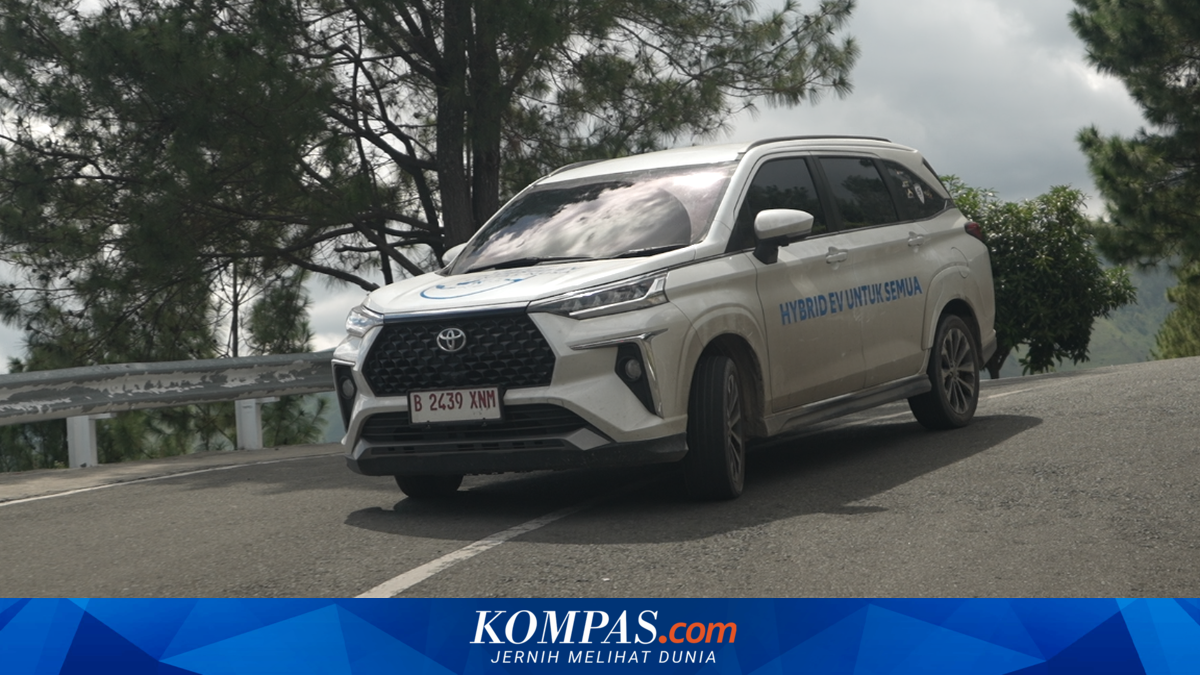
In Cikampek, many motorists consider sleeping in cars during mudik (Indonesian holiday mass migration) a practical solution to combat fatigue, especially when rest areas are full. This practice is increasingly viewed as safer in hybrid vehicles, which can operate on battery power without relying on petrol engines.
However, genuine safety concerns remain. According to Tara, speaking to Kompas.com in Cikampek on Monday 16 March 2026, whilst battery power eliminates carbon monoxide emissions from exhaust fumes, this advantage is temporary. When battery charge depletes, the system automatically switches on the petrol engine to recharge, reintroducing exhaust gas risks.
Tara emphasises that running a stationary vehicle with active systems, including air conditioning, requires careful consideration. A frequently overlooked factor is cabin ventilation management. However, she stresses that prolonged sleeping in any vehicle—hybrid or conventional—remains inadvisable. Beyond toxic exhaust exposure, other risks exist, including cabin conditions and vehicle component performance. Active vehicles require ongoing battery and component operation, particularly in hot external temperatures, presenting continued hazards for both hybrid and battery-electric vehicles.
Tara recommends drivers avoid using car cabins as primary rest spaces, especially for extended sleep periods. She advises: “If you’re already fatigued, you should rest in proper locations such as rest areas, emergency posts, or safer rest facilities.”