
Six Toll Road Segments Free, Jakarta–Palembang in Just Eight Hours
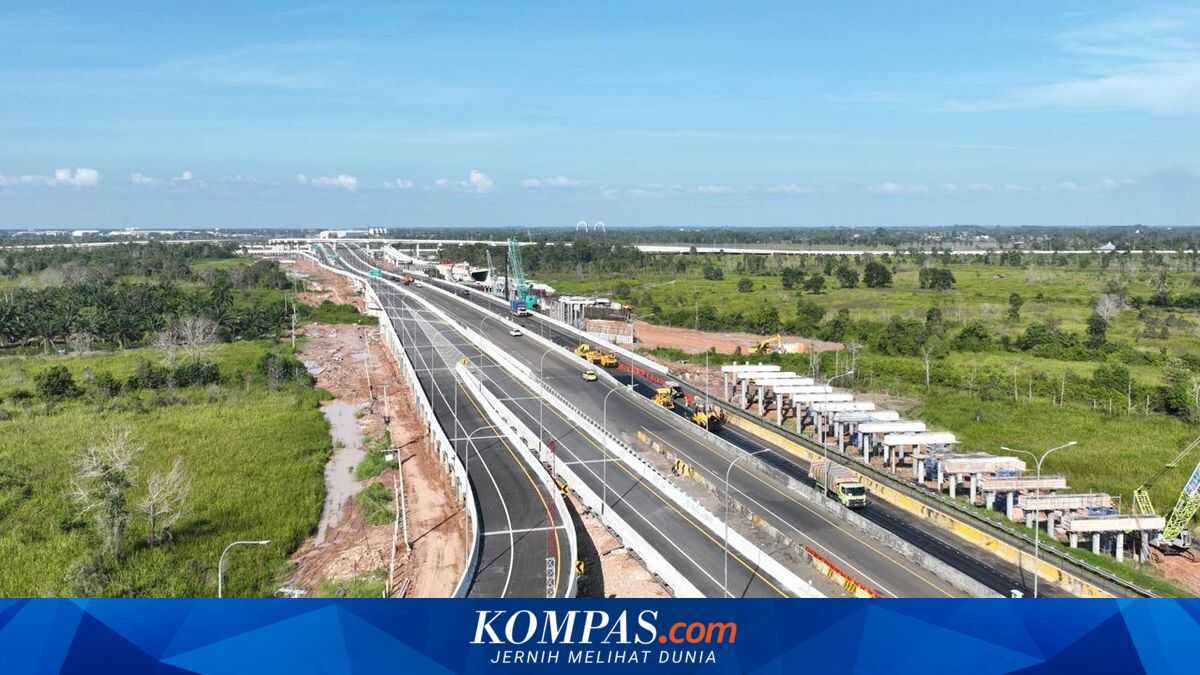
Good news for travellers planning to traverse Sumatra during this year’s mudik season. Ahead of Eid al-Fitr 2026, PT Hutama Karya (Persero) has confirmed that the Trans-Sumatra Toll Road network (JTTS) is ready to operate across 822.609 kilometres, with several key segments still toll-free. This move acts as an oasis amid concerns over rising annual transport costs. Based on operational data up to March 2026, at least six major toll road segments (including functional sections) can be enjoyed by mudik travellers without paying tolls. ‘For example, the Palembang–Betung section will be a saviour for travellers wanting to avoid severe congestion in Palembang city centre,’ said Djoko, in a statement, on Friday (6 March 2026). The JTTS transformation under Hutama Karya is not merely a concrete project. The toll’s presence has dramatically changed travel duration maps. Djoko noted that journeys from Jakarta to Palembang, which previously took 15-20 hours, can now be completed in 8-10 hours, including the Merak-Bakauheni crossing. ‘Overall, the toll’s presence has successfully reduced travel time on Sumatra by about 50 per cent,’ added Djoko. To guarantee comfort, Hutama Karya is deploying a massive service ecosystem. A total of 3,273 staff and 467 standby vehicles are spread across 14 strategic toll road segments. Not only that, there are 31 rest areas with capacity for almost 6,000 vehicles. For logistics and health, mudik travellers will be spoilt with 23 Fuel Filling Points (Regular and Modular), 19 SPKLU units for electric vehicle users, 2,967 toilets, 25 health clinics, 27 lactation rooms, and 1,547 CCTV units for real-time security monitoring. The government hopes that by switching vehicles to the toll route, the load on Jalan Lintas Sumatera (Jalinsum) will lessen, allowing logistics vehicles and local residents to move more efficiently. ‘However, the key to the success of mudik 2026 remains in the hands of drivers: make maximum use of rest areas and ensure the toll card balance is sufficient for the tolled segments,’ concluded Djoko.