
Sinjai residents in South Sulawesi adopt biogas energy from PLN Peduli programme
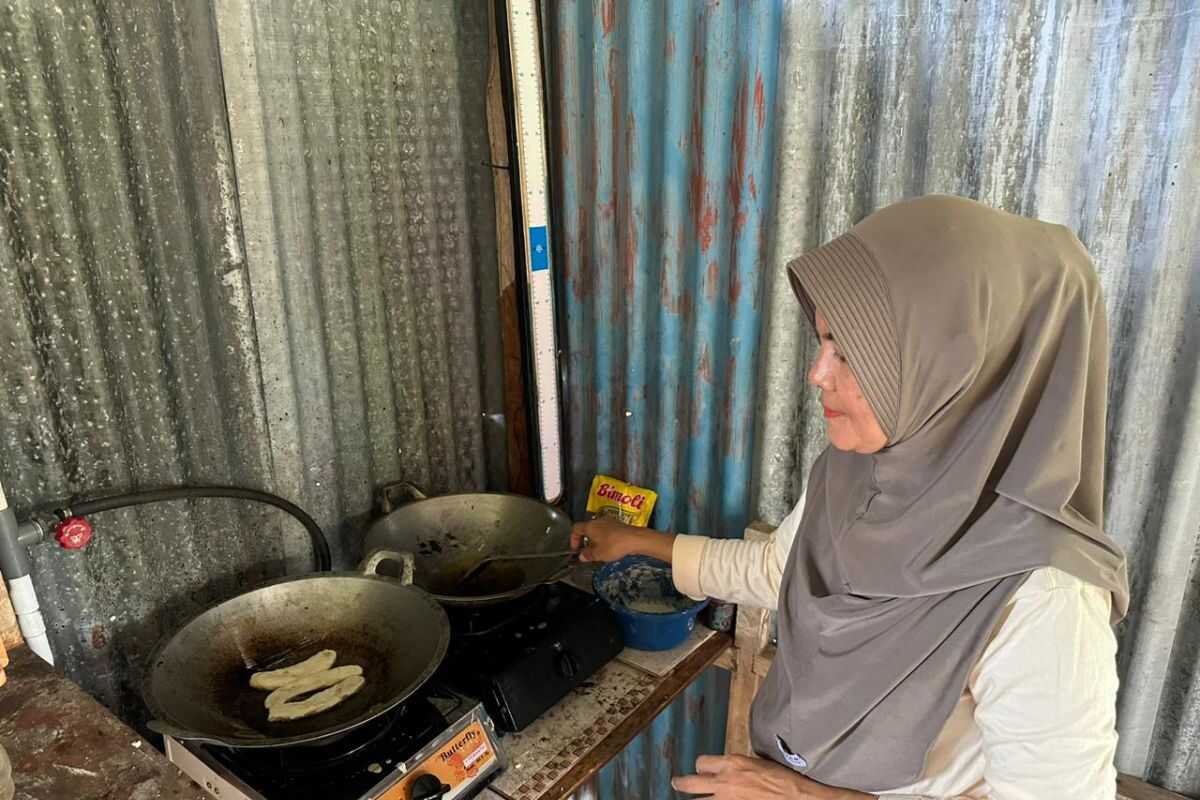
Makassar (ANTARA) - A number of residents in Dusun Bakae, Saukang Village, Sinjai Regency, South Sulawesi have started using biogas energy as a daily necessity sourced from the PLN Peduli programme. The Integrated Village Biogas Energy Programme located in Dusun Bakae is part of PLN UID Sulselrabar’s Corporate Social Responsibility and Environmental Responsibility (TJSL), which installed a biodigester with a capacity of 12 cubic metres in the area. One resident who has adopted biogas is Hasriani, who spoke from Makassar on Thursday, saying she has felt the substantial benefits of this renewable energy. “Alhamdulillah, with biogas we do not spend any money. The funds previously used to buy gas cylinders can be redirected to our children’s school needs and daily household needs,” Hasriani said. For Hasriani, biogas is a very tangible solution for daily needs that eases her family’s economic burden. Before biogas, she said she spent about four gas cylinders or around Rp72,000 per month for cooking at home. In addition to saving money, the biogas stove is considered safer. Biogas operates at low pressure without a cylinder, so the risk is much lower than with gas cylinders. “If you use gas cylinders, there is always a worry of leaks or explosions. But now with biogas, I feel more at ease and safe when cooking for my family,” she added. Hasriani acknowledged that the biogas energy obtained from the cow shed in her village now gives birth to new energy that lights up the kitchen, reduces the family’s economic burden, provides a sense of security, and nurtures hope. As a result, through biogas, the community now steps forward towards a future that is more autonomous, cleaner, and sustainable. The benefits of biogas in the future will not stop at the kitchen. Residue from cow manure processing has the potential to be used as organic fertiliser for agriculture. This utilisation is hoped to help increase soil fertility, reduce chemical fertiliser costs, and support more environmentally friendly farming. Additionally, biogas residue could be developed as animal feed for livestock such as fish and chickens, creating a cycle of utilisation that reinforces energy, agriculture, and farming. What makes this programme more meaningful is that the cows that are the source of biogas come from the recipient villagers’ own cattle. In other words, energy management is truly community-based, by residents, managed collectively by residents, and returning benefits to the community. The livestock waste that previously had no value now has blessings within it. Looking ahead, hope also grows. If the biodigester management continues to develop, it is not impossible that the number of beneficiary households will increase, as will the opportunity to utilise biogas residues optimally. In simple terms, the more kitchens lit with biogas, the greater the village’s energy independence.