
Singkawang: Indonesia's Laboratory of Tolerance
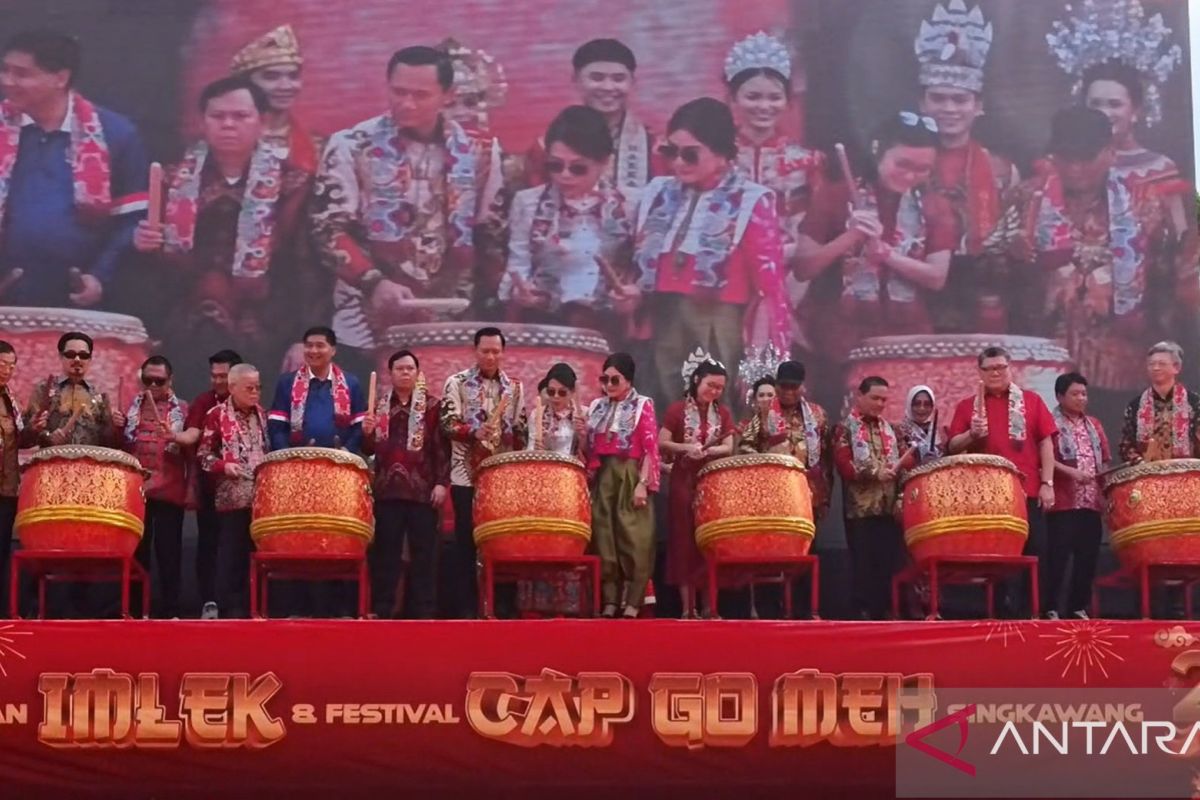
This relatively harmonious social situation is one of the reasons why Singkawang is often described as a model of tolerance at the local level. Pontianak (ANTARA) – In the northern part of West Kalimantan, a coastal city named Singkawang has long been a living symbol of the motto Bhinneka Tunggal Ika. In the city known as the ‘city of a thousand temples’ or ‘Amoy City’, ethnic, religious, and cultural diversity does not merely coexist, but has grown into a strong foundation for social harmony.
The annual celebration of Chinese New Year (Imlek) and Cap Go Meh provides a prominent stage that showcases that face of tolerance to the public. In 2026, the message felt even stronger as the celebrations took place close to the holy month of Ramadan, a moment that shows how people from different backgrounds can maintain shared spaces with mutual respect.
The Mayor of Singkawang, Tjhai Chui Mie, stressed that the celebrations of Imlek and Cap Go Meh are not merely annual cultural agendas, but part of the city’s identity born from its diverse population.
According to him, ethnic diversity such as Chinese, Dayak, and Malay has long been a social strength shaping the character of Singkawang’s residents.
“Here we can adorn the city and celebrate each other’s activities side by side, peacefully, and with mutual respect. This is what earns us the designation as the Most Tolerant City in Indonesia,” said Tjhai Chui Mie.
The recognition of Singkawang’s tolerance has not only come from society but also from independent institutions. The city has consistently been named the most tolerant city in Indonesia in the Indeks Kota Toleran (Tolerant City Index) released by the SETARA Institute. In the latest report, Singkawang recorded the highest score with a value of 6.50. The assessment is based on several indicators, including inclusive local government policies, the existence of non-discriminatory regulations, a low incidence of intolerance, and local leadership that actively promotes inclusive community life.
In this context, Singkawang is considered successful in balancing government policy and social practices. The city’s development policies are directed to guarantee equal rights for all residents regardless of ethnicity, religion, race, or social group.
The success is also linked to Singkawang’s highly diverse demographic character. The city is home to Chinese, Malay, and Dayak communities that have lived side by side for hundreds of years.
Historical records note that since the 18th century Singkawang has been one of the destinations for Chinese migrants in West Kalimantan. The long interaction between the Chinese community and the Malay and Dayak communities has formed a unique and relatively stable social structure to the present day.
In daily life, this diversity is reflected in a range of social activities, from major religious celebrations to community activities. It is not uncommon for people from different religious backgrounds to participate in religious activities or other community cultural events as a form of social solidarity.
For example, the celebration of Imlek and Cap Go Meh is not only attended by the Chinese community but also involves various elements of cross-ethnic and interfaith society, both as organisers and participants.
A similar phenomenon is also seen in other religious celebrations, such as Eid al-Fitr or Christmas, which are often marked by traditions of visiting and jointly ensuring community safety.
This relatively harmonious social situation is one of the reasons Singkawang is often described as a model of tolerance at the local level.
For many people, Singkawang’s experience shows that tolerance is not built merely through slogans or rhetoric, but through fair policies, inclusive leadership, and a community culture accustomed to living with differences.
Against that background, it is not an exaggeration to view Singkawang as one of the tangible faces of the Bhinneka Tunggal Ika spirit—a small city that demonstrates how diversity can be managed as a social force for life together.
Cap Go Meh: a stage for diversity.