
Singapore Scam Crackdown: Meta Removes 150,000 Accounts Linked to Fraud Networks
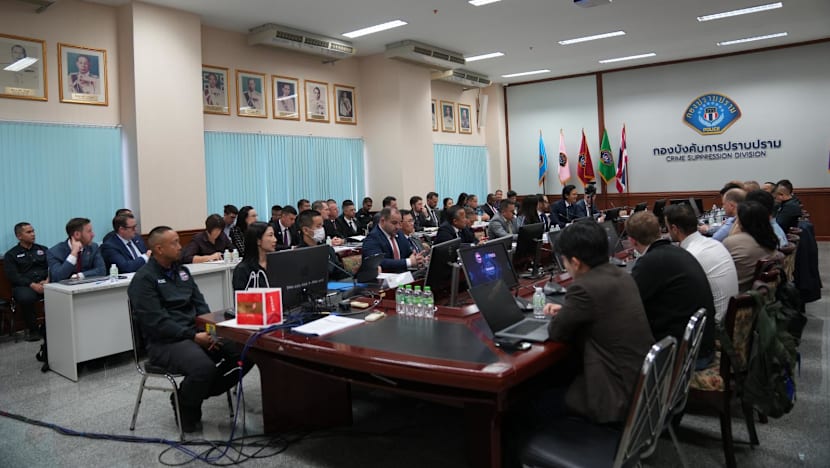
Joint operation with regional police targets scam centers and expands user safety tools
Meta has removed more than 150,000 Facebook and Instagram accounts tied to scam center networks in Southeast Asia, in one of the region’s largest coordinated digital fraud crackdowns.
Meta Removes Over 150,000 Accounts
Meta said it disabled more than 150,000 Facebook and Instagram accounts linked to scam center networks across Southeast Asia following a major joint enforcement effort. About 4,900 of those accounts were taken down with intelligence support from the Singapore Police Force.
The operation, called Joint Disruption Week, was held in Bangkok and led by the Royal Thai Police Anti-Cyber Scam Center together with the United States Federal Bureau of Investigation and the Department of Justice Scam Center Strike Force.
Arrests and Earlier Crackdown Show Escalation
During the latest operation, the Royal Thai Police arrested 21 people for their alleged involvement in scam activity. Meta said this was the second coordinated crackdown since December 2025.
The first joint operation had already led to the removal of 59,000 accounts, pages, and groups from Meta platforms, along with six arrest warrants. The latest wave suggests authorities and tech platforms are intensifying efforts against cross-border scam syndicates.
Singapore Among Frequently Targeted Markets
Meta said Mandarin-speaking audiences, including those in China, Taiwan, Hong Kong, and Singapore, were among the groups most frequently targeted by these criminal networks. The company said this likely reflects the higher returns available in larger and wealthier markets.
It added that scam syndicates are still opportunistic and may target victims anywhere. Recruited or coerced workers are often trained to communicate in English or major regional languages, allowing them to reach a broad pool of potential victims.
Common Scam Types Identified
Meta highlighted three major scam types seen during the operation. These included law enforcement impersonation scams, digital arrest scams, and cryptocurrency investment scams.
In these schemes, fraudsters may pose as police or government officials, stage fake arrests over video calls, or build false romantic or professional relationships before persuading victims to transfer money into fraudulent investments.
New Safety Tools Rolled Out
Meta also announced new anti-scam features for Facebook, Messenger, and WhatsApp. These include alerts for suspicious Facebook accounts, warnings on WhatsApp when account-linking requests appear fraudulent, and expanded scam detection on Messenger.
The Messenger feature will identify common scam patterns such as suspicious job offers and may ask users if they want recent messages reviewed by an AI scam detection system. If potential fraud is detected, Meta will recommend actions such as blocking or reporting the account.
The latest crackdown shows that scam syndicates in Southeast Asia are becoming more organized, mobile, and digitally sophisticated, forcing platforms and law enforcement agencies to work more closely across borders. For Singaporeans, the takedown highlights both the scale of the threat and the value of real-time intelligence sharing. For Indonesians and others across the region, it is another sign that online fraud is no longer a local issue but a shared regional security challenge requiring coordinated action from governments, platforms, and users alike.
Sources: CNA (2026) , GMA Network (2026)
Keywords: Meta Scam Takedown, Joint Disruption Week, Singapore Police Meta, Southeast Asia Scam Centers, Facebook Instagram Scam Accounts, Digital Arrest Scam