
Singapore Prepares New Blind Box Regulations to Curb Gambling Risks
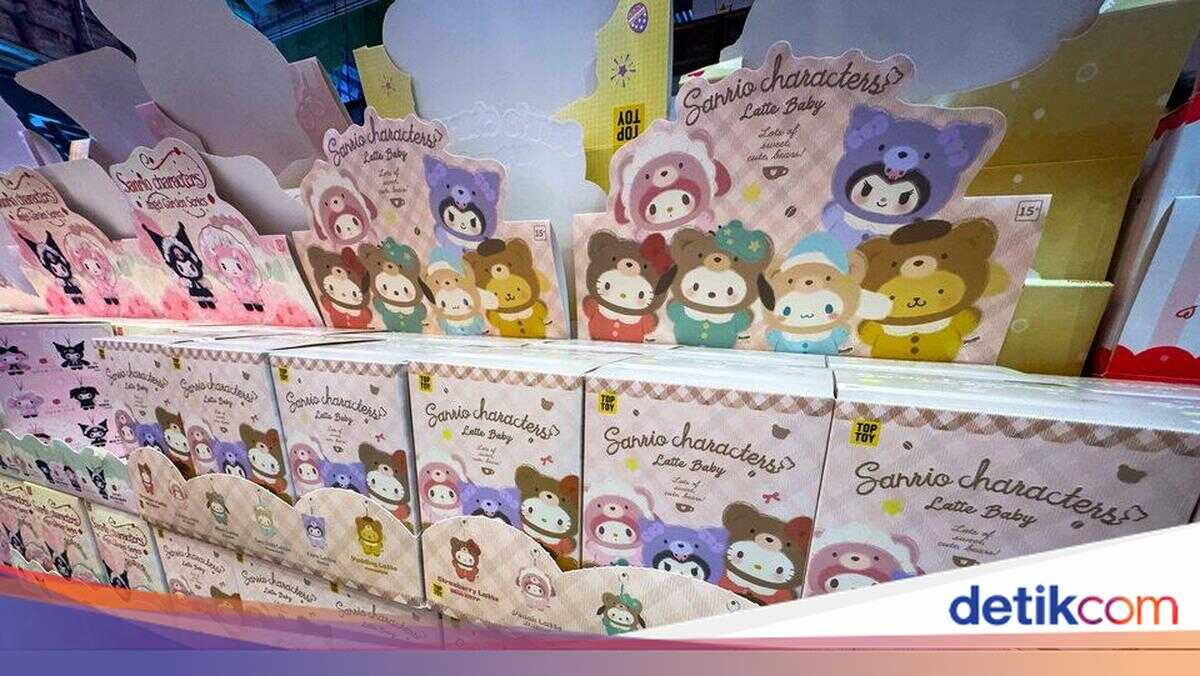
Singapore — The Singaporean authorities will introduce new regulations for blind box sales to address gambling-related risks. The move comes after social service agencies warned that chance-based activities, such as blind boxes, raise significant concerns, particularly among children and adolescents.
The planned new regulations, as reported by Channel News Asia on Monday (16/2/2026), were announced by Singapore’s Minister for Home Affairs, K Shanmugam, in response to a parliamentary question from MP Dennis Tan on whether the government would mandate disclosure of odds for blind box or “gacha” products.
Blind boxes are sealed or closed packages containing mystery figurines or collectible items from a series, with buyers unaware of the contents until the package is opened.
In his statement, Shanmugam said his ministry and the Gambling Regulatory Authority had studied the blind box issue and decided to introduce provisions governing how blind boxes may be offered.
“The regulations are being drafted,” Shanmugam said in a written response to Dennis Tan’s question.
“The member’s suggestion for mandatory and standardised disclosure of chances and probabilities will be one of the points to be considered for the regulations,” he explained.
The Gambling Control Act, which applies in Singapore, permits certain types of low-risk gambling services, such as lucky draws, to be offered under a class licence regime, where there is no need to apply for a licence from the Gambling Regulatory Authority.
The authority stated on its website that further details on class licence provisions for blind boxes or mystery boxes would be announced in due course.
The planned new blind box regulations were announced after social service agency TOUCH Community Services warned that such chance-based activities could raise potential concerns.
“The increasing normalisation of chance-based games and activities, such as blind box purchases, raises significant concerns, especially for children and adolescents,” said Shawn Soh, lead counsellor at the counselling and intervention department of TOUCH Community Services.
“These purchases provide the thrill of uncertainty and potential reward, which can quickly escalate into compulsive behaviour. The dopamine rush involved in blind boxes can trigger powerful reward systems in the brain, which can be highly addictive,” he said.
Failure to obtain a rare item, according to Soh, can also trigger anxiety and depression.