
Singapore Monetary Policy: MAS May Tighten as Inflation Pressures Rise
Economists expect policy shift as energy costs surge amid Middle East conflict
Singapore could see an earlier-than-expected monetary policy tightening as rising global energy prices begin to feed into domestic inflation.
Rising Costs Signal Policy Shift
Economists believe the Monetary Authority of Singapore (MAS) is likely to tighten monetary policy in April, as global energy price shocks drive up import costs. The central bank has already indicated it will review its inflation outlook at the upcoming meeting.
This signal is widely seen as a precursor to policy action, especially as Singapore faces mounting external price pressures.
Inflation Risks Moving Higher
Current forecasts place inflation at 1 to 2 per cent for 2026, but analysts warn this range may be revised upward. Rising fuel, electricity, and transport costs are already contributing to broader price increases.
With consumption expected to remain strong due to improving wages, inflation could gain further momentum in the months ahead.
Multiple Tightening Scenarios on the Table
Economists suggest MAS could adjust its policy by steepening the slope of the Singapore dollar’s exchange rate band, allowing for faster currency appreciation. Some also see the possibility of additional moves later in the year.
More aggressive actions, such as re-centering the policy band, may be considered if inflation exceeds expectations significantly.
War Impact Yet to Fully Unfold
The inflationary effects of the Middle East conflict are still at an early stage, but are expected to intensify. Rising costs in fuel, logistics, and utilities are likely to cascade across sectors.
As businesses face higher operating expenses, these costs are expected to be passed on to consumers, widening inflationary pressures.
Broad-Based Price Pressures Emerging
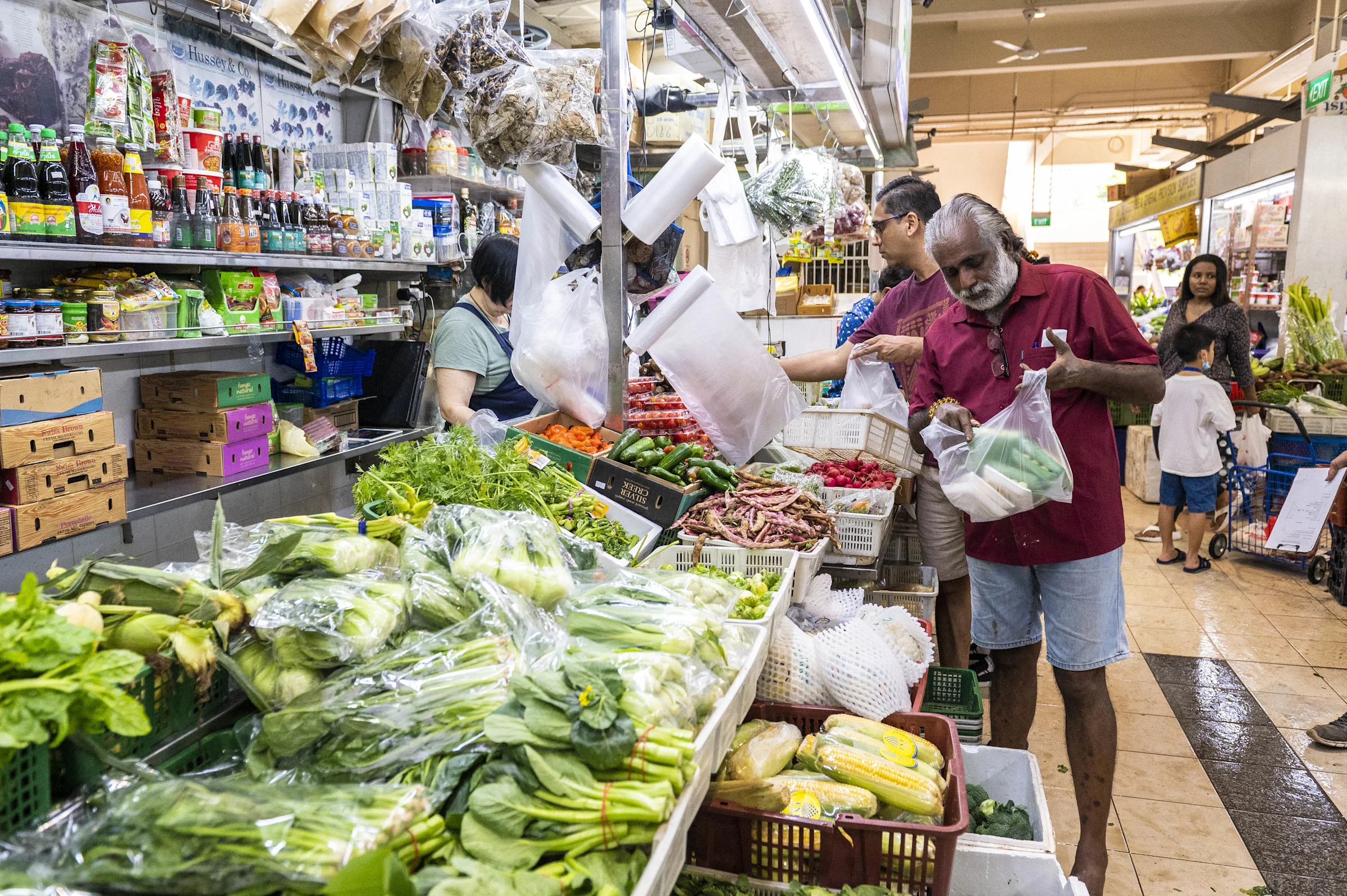
Beyond energy, price increases are spreading to essential categories such as food, which makes up a significant portion of Singapore’s inflation basket. Higher fertiliser, cooking gas, and transport costs are contributing to this trend.
This broadening of inflation suggests that price pressures may become more entrenched, reinforcing the case for policy tightening.
Singapore’s monetary policy outlook is shifting as global uncertainties drive inflation risks higher, with MAS expected to act decisively to maintain price stability.
Sources: Yahoo! News Singapore (2026) , Bloomberg (2026)
Keywords: MAS Policy 2026, Singapore Inflation Outlook, Monetary Tightening SG, Energy Price Impact, Singapore Economy