
Singapore Develops Brain Cell-Based Computers to Reduce Power Consumption
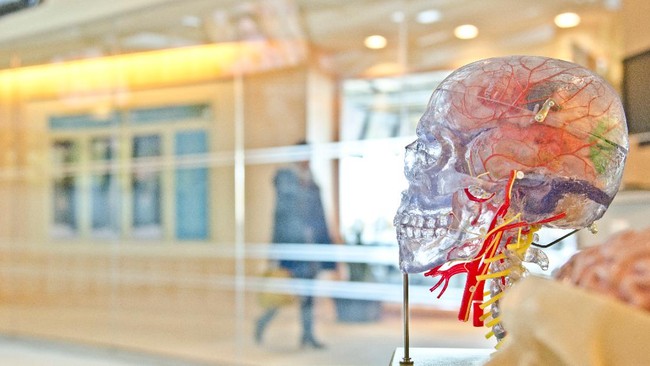
Singapore is developing a data centre that uses brain cells to process information. This innovation is expected to reduce energy consumption for artificial intelligence computing requirements.
The Edge reported that the development of a biological data centre using “wetware” components as a replacement for traditional “hardware” is being conducted by DayOne, a data centre development company. They are partnering with Australian startup Cortical Labs.
Traditional data centres use silicon chips that require substantial electricity supply. As a silicon replacement, wetware consists of neurons or nerve cells grown from stem cells that form networks similar to the brain.
DayOne will provide capital and input to support Cortical Labs and the National University of Singapore (NUS) in building a wetware prototype.
Cortical Labs is targeting the construction of one server rack containing 20 Cortical Cloud units to be used for testing the performance and efficiency of the wetware-based computer system.
The server will be validated in laboratories at NUS before being transferred to commercial facilities. Commercial testing will be conducted at DayOne’s data centre, including ensuring the system can operate under real-world conditions.
If the prototype meets established standards, DayOne plans to build 1,000 wetware-based computers in Singapore.
The cells for building the biological computing platform will be cultivated at Singapore’s Life Sciences Institute.
“The wetware system could help researchers take new approaches to learning models, adaptation, and biology. Our expertise in neurobiological research, particularly in understanding how to produce human neuron subtypes and glia from specific stem cells, provides a strong foundation for translating these biological principles into a biocomputer platform,” said Rickie Patani, professor of neuroscience at NUS.