
Singapore and Japan Relations: Sim Ann Says Deeper Cooperation Needs Sensitive Handling of Wartime Issues
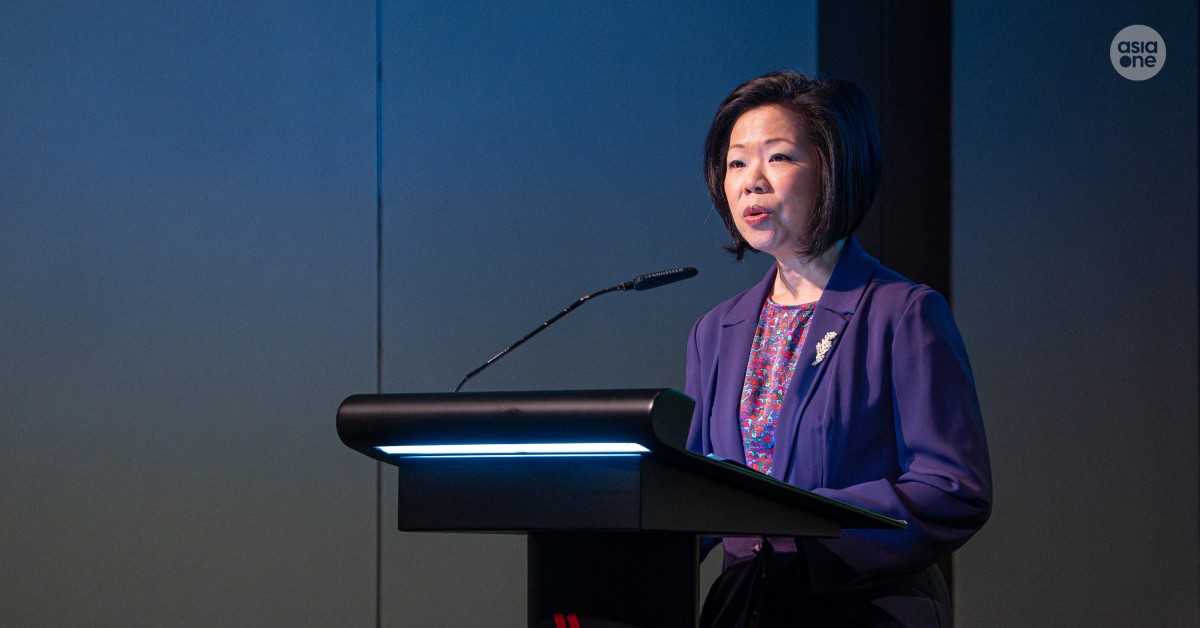
Singapore backs a bigger regional role for Japan, but says trust still matters
Singapore says a larger regional role for Japan could benefit Asia, but only if difficult wartime issues are handled with care and sensitivity.
Japan’s Bigger Role Could Help Asia
Senior Minister of State for Foreign Affairs Sim Ann said Singapore believes it would be positive for the region if Japan deepens cooperation with more Asian partners. She made the remarks at Business China’s Special Speakers Series on March 6, where she linked Japan’s future role to broader regional peace, stability, and prosperity.
She said Japan remains an important player in Southeast Asia as a major investor and a significant provider of official development assistance and security cooperation support. Singapore sees value in that contribution, especially as countries strengthen partnerships in a more uncertain and multipolar world.
History Still Shapes Regional Trust
At the same time, Sim said Singapore recognizes the “damage and suffering” caused by Japan during the Second World War, adding that these difficult historical issues still matter in parts of Asia and must be handled sensitively. She said continued efforts at reconciliation can strengthen trust.
She also expressed hope that Japan can consider how to finally put some of these outstanding issues to rest. According to Sim, doing so would place Japan in a stronger position to contribute even more to an open and inclusive regional architecture.
ASEAN Plus Three Remains Central
Sim said ASEAN and its key Northeast Asian partners, China, South Korea, and Japan, will remain a cornerstone of Singapore’s foreign policy as strategic rivalry sharpens and trust between countries erodes. She argued that Singapore must invest more in regional and smaller-group partnerships that support openness, cooperation, and stability.
Citing data from the ASEAN+3 Macroeconomic Research Office, she noted that ASEAN Plus Three accounted for 28 percent of global final demand in 2022, making it the world’s largest collective market. That makes regional ties not just diplomatic, but economically vital.
China and Japan Both Matter to Singapore
Sim also highlighted China’s consequential role, describing it as a major power whose policies can influence both regional and global stability. She said China can help anchor confidence in the international system during a period of heightened uncertainty.
Her message suggested Singapore is not choosing between major partners, but instead trying to keep workable ties with all of them. In that framework, a more constructive and trusted Japan would strengthen the broader regional balance.
A Practical, Not Perfect, Foreign Policy
Sim pointed to Singapore’s own relationship with Japan as proof that difficult history can be addressed through practical steps. She said reparations helped pave the way for the mutually beneficial partnership both countries have today.
Still, she acknowledged that even close partners will not always agree on every issue. That, she said, is normal, and does not change the need for peaceful coexistence and mutual respect as practical necessities for regional stability.
Singapore’s message is clear: Japan can play a bigger and more valuable role in Asia, but regional trust cannot be separated from history. For Singaporeans, this reflects a foreign policy built on balance, pragmatism, and long-term stability. For Indonesians and others across Southeast Asia, it also signals that future cooperation in trade, security, and diplomacy will be strongest when major powers combine strategic engagement with historical sensitivity.
Sources: Asia One (2026) , Straits Times (2026)
Keywords: Sim Ann Speech, Japan Historical Issues, Singapore Japan Ties, ASEAN Regional Stability, Business China Event