
Simplification and Inclusivity in Tax Regulation Streamlining
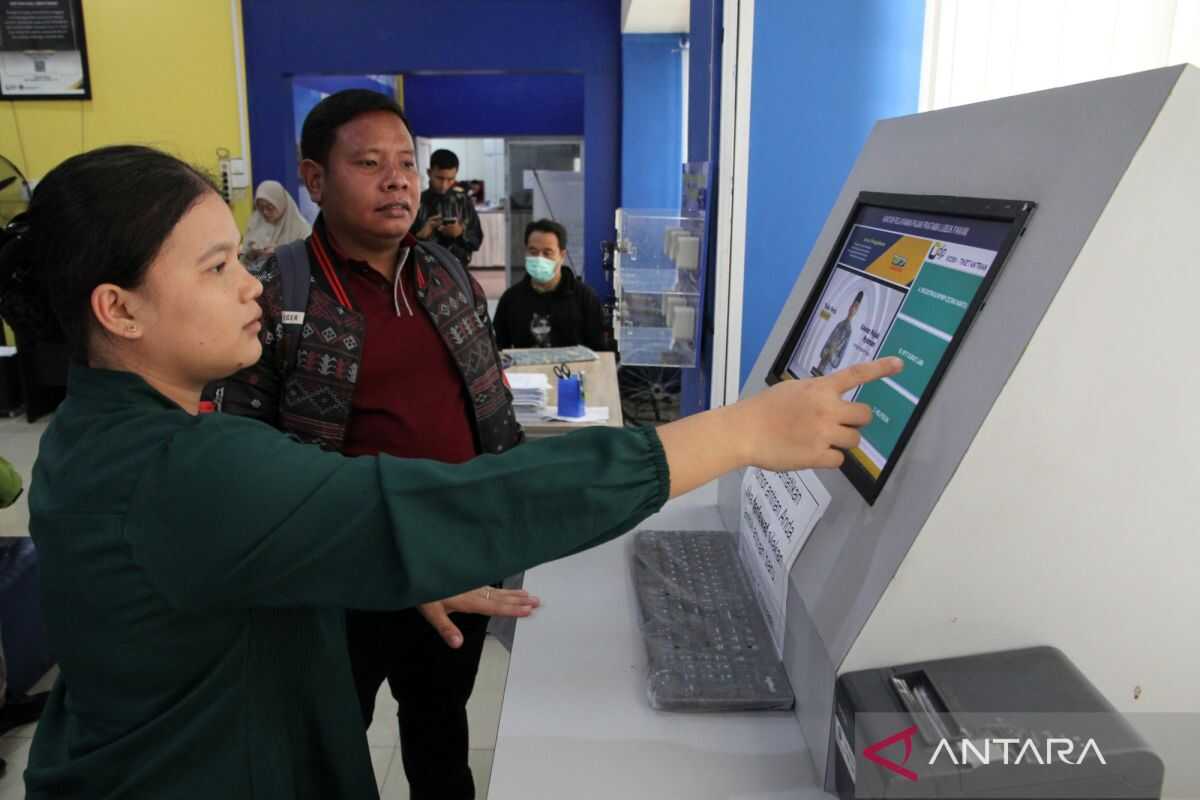
Jakarta — The Net Income Calculation Norm (NPPN) has long been an important instrument in Indonesia’s personal income tax system. However, prior to the implementation of Coretax by the Directorate General of Taxes (DJP), the notification mechanism for NPPN usage was conducted through administrative procedures separate from the annual tax return (SPT Tahunan) filing system.
Because the system was not fully integrated, recording of norm usage status and SPT filing operated in relative isolation and required manual validation. Since Coretax was implemented as the Core Tax Administration System under Minister of Finance Regulation No. 81 of 2024, all NPPN usage notifications are conducted electronically and directly connected to the taxpayer’s profile. Norm usage status is automatically integrated with the annual SPT reporting module, reinforcing the principles of administrative certainty, traceability, and data integrity in managing tax obligations.
This transformation occurs within a national economic context heavily dependent on the small and medium enterprise sector. According to data from the Ministry of Cooperatives and SMEs, over 64 million micro, small, and medium enterprises (MSMEs) operate in Indonesia, contributing approximately 61 per cent to national Gross Domestic Product and absorbing around 97 per cent of the labour force. From a taxation perspective, formal compliance among this sector remains a challenge. Indonesia’s tax ratio has remained around 10 per cent of GDP in recent years, relatively lower than the average for G20 nations.
Consequently, administrative simplification, such as NPPN, has become an important instrument for broadening the tax base without burdening small business operators with complex bookkeeping requirements. Thus, NPPN can be viewed as a bridge between the small business sector and modern, integrated formal tax systems.
With the implementation of Coretax as an integrated tax administration system, the notification and usage mechanism for NPPN is now conducted entirely electronically. From a tax administration perspective, the integration of NPPN calculations within Coretax demonstrates a significant paradigm shift. After taxpayers submit notification of norm usage, the system automatically links that status with the annual SPT. Taxpayers need only enter total gross turnover, and the system will calculate net income and tax payable according to applicable norms. This mechanism reduces the potential for calculation errors and mitigates the risk of fiscal corrections regarding cost allocations.
On a macroeconomic scale, the impact of NPPN can also be seen in the context of expanding the tax base. If we assume there are hundreds of thousands of individual personal income taxpayers in the small business sector utilising norms, with average annual turnovers in the hundreds of millions of rupiah, then the accumulated personal income tax receipts from this segment become significant. With a simple normative approach, the state obtains basic certainty in tax assessment, whilst small business operators gain administrative convenience without the requirement for complex bookkeeping.
Therefore, NPPN is not merely a technical instrument for calculating profit, but part of fiscal policy design that balances ease of compliance with certainty of state revenue. In the Coretax era, this mechanism becomes increasingly structured and transparent, reinforcing the principle of self-assessment whilst promoting compliance that is more systematic and technology-based.
NPPN is a method for determining net income for individual taxpayers who engage in business activities or freelance work and do not maintain bookkeeping records. Under this method, net income is calculated based on a specific percentage of gross turnover, according to the classification of business type and region, as determined by the Directorate General of Taxes.