
Silent Friday Implemented Simultaneously in Labuan Bajo and Ruteng, Activities Restricted on Good Friday
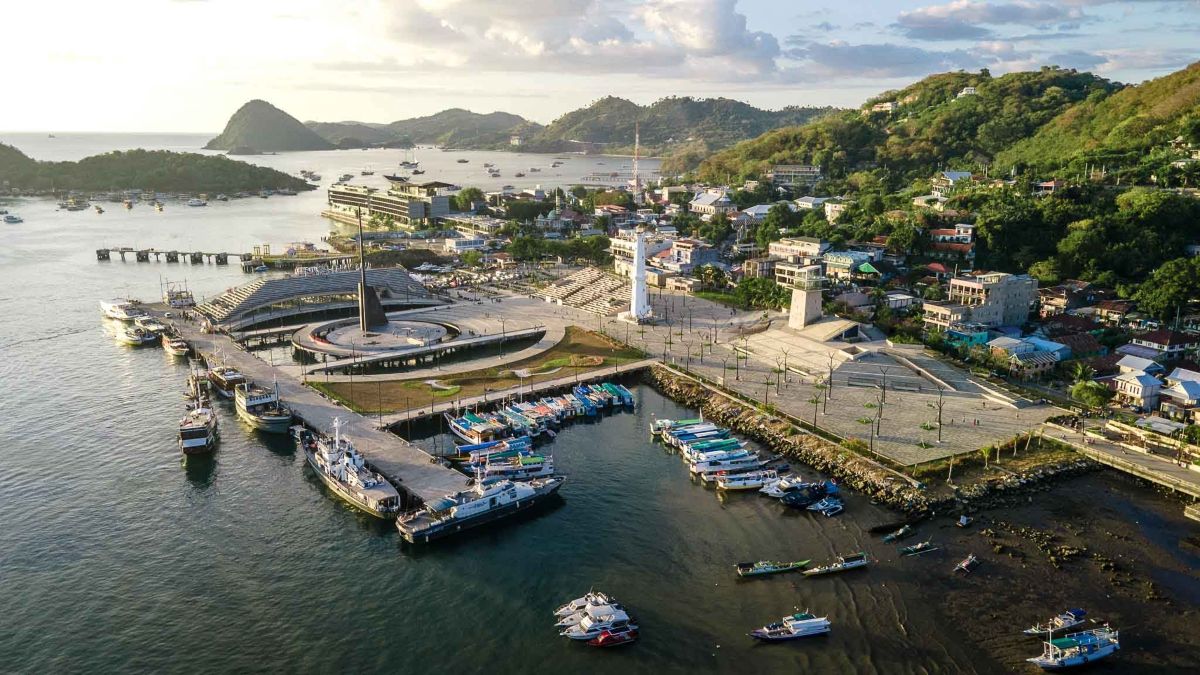
The observance of Good Friday on 3 April 2026 in Labuan Bajo, West Manggarai Regency, and Ruteng City, Manggarai Regency, East Nusa Tenggara (NTT), will be marked by restrictions on public activities through the Silentium Magnum or Silent Friday programme, implemented with varying patterns in each area.
In Labuan Bajo, the programme is being reintroduced for the second time as part of regulating community activities during religious celebrations and efforts to build environmental awareness.
The policy regulates restrictions on activities, particularly motor vehicles, in two time sessions: from 06:00 to 11:00 WITA and 14:00 to 18:00 WITA. During these periods, the public is urged to reduce mobility, minimise noise-generating activities, and prioritise walking.
West Manggarai Regent Edistasius Endi stated that the programme is not solely related to worship but also serves as a small step to reduce pollution and preserve the environment.
“We start from small things for a better future. This is for our future, for our children and grandchildren. Let us start from this small thing,” said Edistasius Endi, quoted from Detikbali on Wednesday (18/3/2026).
He added that the timing arrangements consider the needs of all religious communities. The break from 12:00 to 14:00 WITA is prepared for Friday prayers, while other times provide space for Christians to conduct Good Friday worship services in churches.
“The main spirit of this programme is to reduce vehicle use, including by walking to places of worship,” he said.
The local government emphasises that Silentium Magnum is the result of consensus among various parties, not a unilateral policy. The agreement involves local government elements, TNI, Police, prosecutors, judicial institutions, religious figures, and the Forum for Religious Harmony (FKUB).
According to Edistasius Endi, all involved parties have expressed full support for the programme’s implementation as a collective commitment to maintaining the environment and social order during religious celebrations.
The programme is also expected to provide “rest time” for the environment from vehicle activities, while creating a calmer, more orderly, and conducive city atmosphere.
As a national priority tourism destination, Labuan Bajo is a location for policy implementation that not only affects local communities but also tourists and tourism business operators.
The Acting Director General of the Labuan Bajo Flores Authority Executive Agency mentioned that the Silentium Magnum implementation involves various parties, including tourism industry players, in regulating activities during the period.
In its second year, the focus is on strengthening cross-sector coordination and adjusting tourism operations, including tours, transportation, and hospitality services, to align with the established quiet atmosphere.
This programme is also part of the arrangements for activities during the Holy Triduum of Easter in the area, which annually attracts domestic and international tourists.
Meanwhile, in Ruteng City, seven parishes in the city have issued a call for Silentium Magnum with a longer duration of a full 12 hours from 06:00 to 18:00 WITA.
The call is outlined in a joint letter numbered 010/PAN-PAS/PSVC/III/2026 addressed to Catholics and the general public. The seven involved parishes include St Vitalis Cewonikit Parish, Ruteng Cathedral, St Michael Kumba Parish, Christ the King Mbaumuku Parish, St Francis of Assisi Karot Parish, Holy Eucharist Redong Parish, and St Nicholas Golo Dukal Parish.
In the call, the public is asked to temporarily halt activities that could disrupt the sacredness of commemorating Christ’s death. Restrictions include stopping motor vehicle use, closing shops and stalls, and prohibiting music playback.
Additionally, the faithful are directed to focus spiritual activities such as lamentations and Stations of the Cross in the Natas Labar Motang Rua area.
The implementation of Silent Friday in these two regions shows different approaches in duration and level of restrictions but shares the same goal of creating space for religious reflection as well as social tranquillity.
In West Manggarai, the approach divides time to still provide room for important activities, including other religious worship and basic community needs. Meanwhile, in Ruteng, a stricter approach is taken with a full-day halt to activities.
This policy demands adaptation from the community, business operators, and tourists, particularly in managing mobility and daily activities. The local government hopes for active community participation to ensure orderly implementation.
The West Manggarai Regency Government views this programme as an initial step to build collective awareness of the importance of a clean and low-pollution environment. Additionally, it is seen as an effort to strengthen the region’s identity that prioritises harmony between tourism activities and spiritual values.
With this second-year implementation, Silentium Magnum is hoped not only to become an annual agenda but also a model for public space management based on cross-sector collaboration in tourism destination areas.