
Silent Crisis in Hormuz: Thousands of Asian Seafarers Trapped Amid War
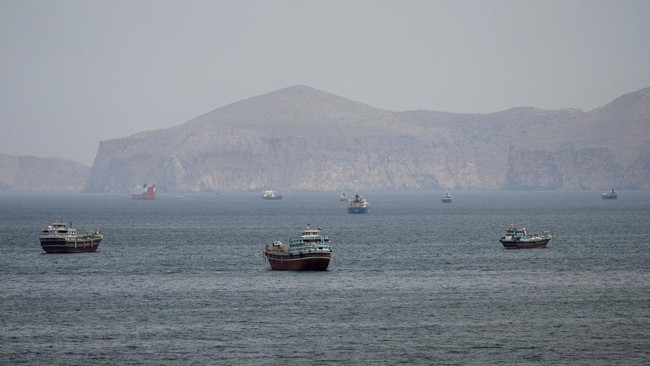
Geopolitical tensions in the Middle East are now trapping thousands of civilian seafarers in conflict zones without adequate protection. Amid escalating war and threats along strategic shipping routes, maritime workers are facing increasingly heightened safety risks. As the backbone of global trade, they are not actors in the conflict. However, unfortunately, these seafarers are the most affected party. Stranded in War Zone, Thousands of Seafarers Unable to Return Around 20,000 seafarers remain detained in the Gulf area, including the Persian Gulf, amid missile threats and armed conflicts. Many among them have repeatedly attempted to exit via the Strait of Hormuz but are hindered by the unfavourable security situation. Evacuation efforts also face various obstacles. Although the International Transport Workers’ Federation has granted rights for seafarers to refuse assignments in conflict zones, they cannot leave the vessel before a replacement is available. However, in this situation, no one is willing to swap their fate with the trapped seafarers. Additionally, issues such as limited flight tickets and difficult visa access further prolong their entrapment. Backbone of World Trade Overlooked The majority of seafarers come from Asian countries such as the Philippines, Indonesia, and India. They play a crucial role in transporting around 85% of global trade volume, from energy to food products. However, behind this significant contribution, seafarers receive minimal protection when conflicts occur. Attacks on various strategic routes in recent years demonstrate that global shipping lanes are now increasingly vulnerable to military escalations. A Risky Profession No Longer Promising Although seafarers’ contributions to global trade and the overall economy are substantial, they now face a growing variety of risks. These risks are not merely incidental but reflect long-standing vulnerabilities that are now exacerbated by geopolitical situations. This accumulation of risks emphasises that without stronger protection, the increasingly dangerous seafaring profession could lose its appeal, posing a serious threat to the sustainability of the global supply chain.