
Signs of the End Times Growing More Real as Lost Worlds Surface
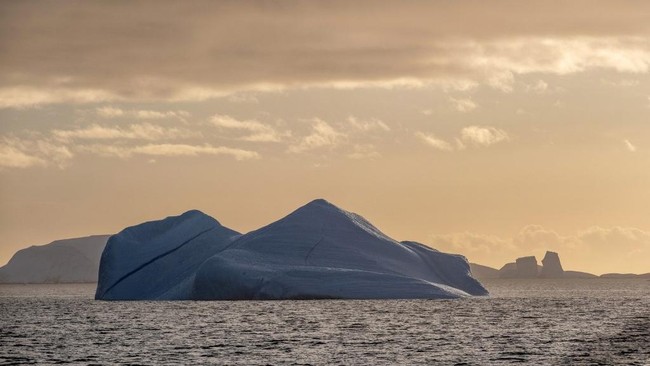
Melting ice layers are becoming more visible as global warming progresses, with the potential to raise sea levels. In other words, this sea‑level rise could imperil ecosystems and trigger natural disasters. Additionally, the melting of ice is revealing ‘lost worlds’ that have lain buried for thousands of years. Researchers have reported finding numerous ‘other worlds’ beneath the ice.
The ‘end-times’ sign of global warming arises from burning fossil fuels that release carbon dioxide and other greenhouse gases into the atmosphere. As a result, the Earth’s temperature has risen and grown hot. The melting of ice has been occurring for several decades, and its rate has intensified over time.
Evidence of human life over centuries has been uncovered by archaeologists. One instance is the preserved corpse of a man known as Ötzi, found in the Alps in 1991. The artefacts around Ötzi can be studied directly because of the preservation; without it, organic materials would rot. Those materials include plant fibres, wood, and leather.
This discovery has guided scientists to the Neolithic era in the Alps, launching a field called ice archaeology. Moreover, archaeologists have traced the footprints of people buried thousands of years ago from investigations of ice blocks and materials unearthed in Europe, North America, and Asia.
For example, there is evidence of people hunting and herding reindeer as far back as 6,000 years ago. This evidence comes from a 70‑metre tunnel carved into the Juvfonne ice in Norway, as reported by Nature on Sunday 8 March 2026.
Many ancient artefacts have emerged due to melting ice. Their contents relate to the hunting of large animals. Another discovery in the Rocky Mountains in 2007 saw archaeologist Craig Lee uncover the oldest ice‑age artefact yet found: a tool used to throw a spear or dart. The foreshaft was made from young birch wood and dated to about 10,300 years ago by carbon dating.