
SIG sets aside 11.3 per cent of mining land to protect a prehistoric site
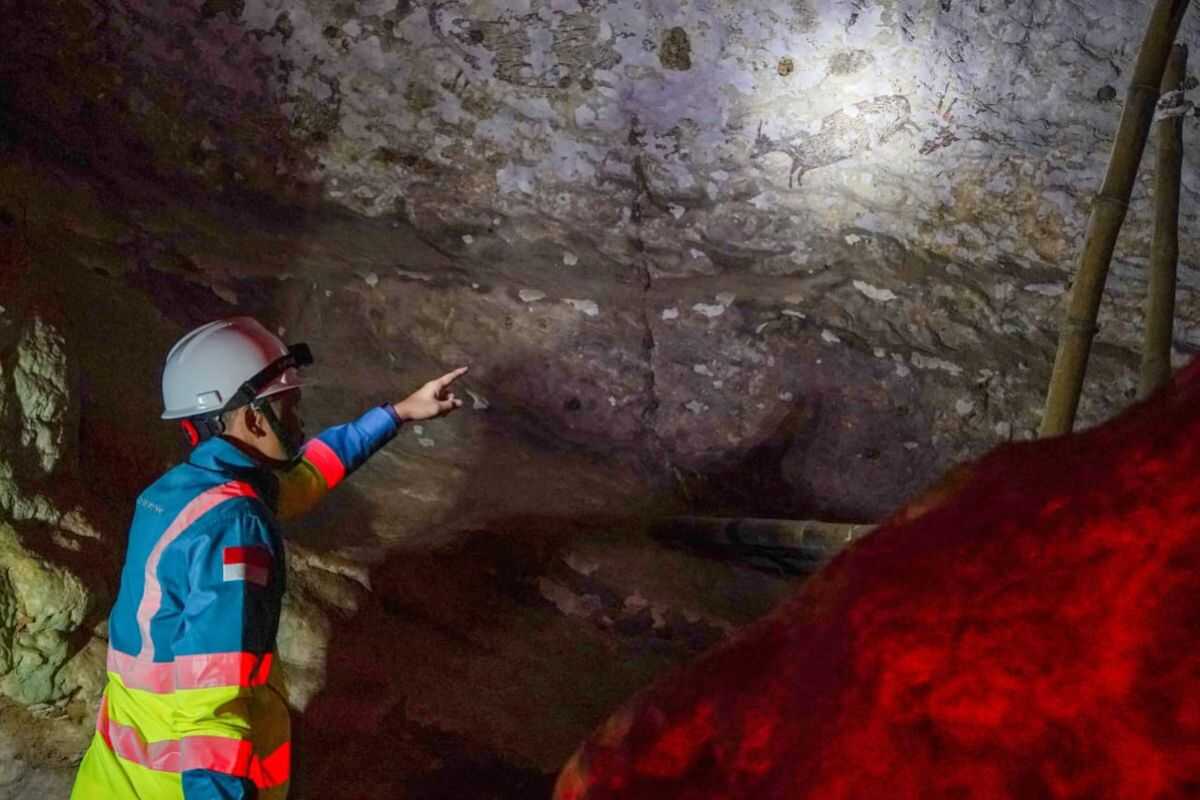
Jakarta (ANTARA) — PT Semen Indonesia (Persero) Tbk (SIG), through its subsidiary PT Semen Tonasa, has set aside 11.3 per cent, or 31.64 hectares, of its total 280 hectares of mining land as a conservation area to protect the Leang Bulu Sipong 4 prehistoric site in Pangkep, South Sulawesi. SIG Corporate Secretary Vita Mahreyni said the conservation area will also be developed into the Taman Kehati and Geopark Bulu Sipong, protecting the archaeological site as well as habitats of endemic flora and fauna, as part of the company’s commitment to environmental and cultural preservation. ‘Bulu Sipong is expected to become an educational resource and help promote the history and culture of civilisations to the wider public,’ Vita said in a statement in Jakarta on Thursday. She noted that Leang Bulu Sipong 4 on Bukit Bulu Sipong in the district of Pangkajene dan Kepulauan (Pangkep) serves as a witness to civilisation, where the world’s oldest rock art, dating to around 44,000 years ago, depicts scenes of hunting animals by prehistoric humans. The Bulu Sipong 4 cultural heritage site sits on PT Semen Tonasa’s clay mine land, specifically in Kelurahan Bontoa, Kecamatan Minasatene. According to the Cultural Heritage Management Plan by PT Semen Tonasa, Bulu Sipong 4 is one of the prehistoric caves on Bukit Bulu Sipong, first discovered by the Makassar Office for the Preservation of Antiquities (BP3 Makassar) in 2016. That discovery was followed by research including dating samples on the rock art images, and subsequently culminated in a cooperation agreement between PT Semen Tonasa and the Ministry of Culture for the protection of the prehistoric cave.