
Should I Read the Doa Iftitah in Every Two Rak’ahs of Tarawih and Witr?
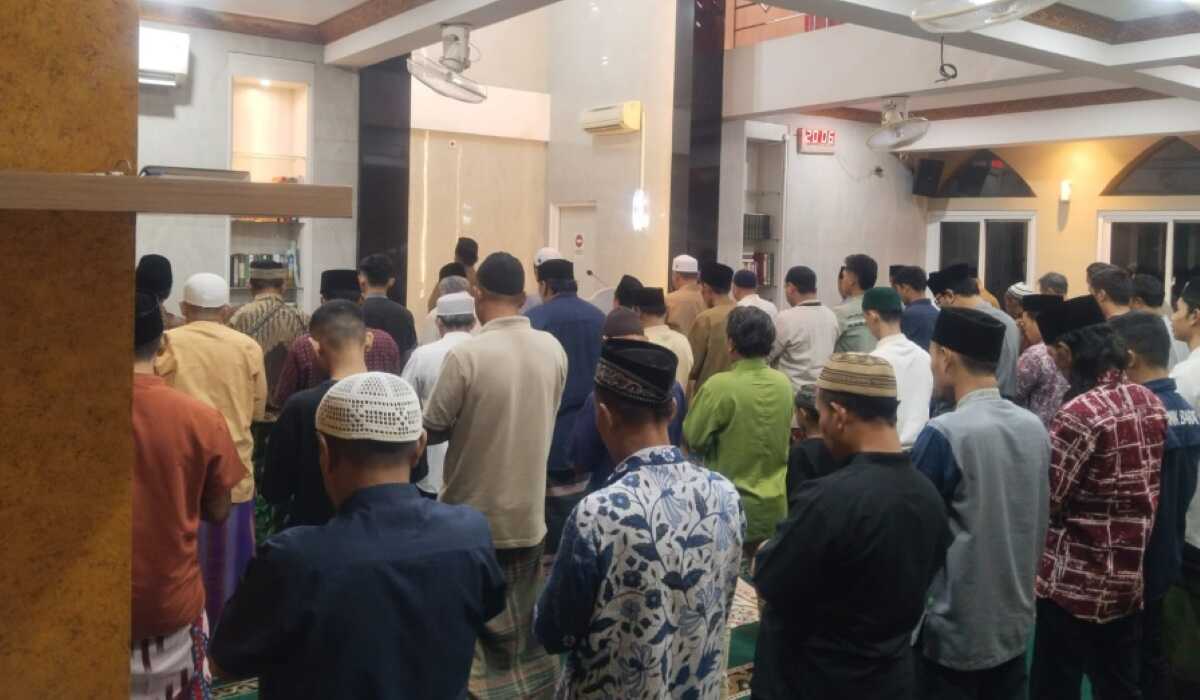
Tarawih and Witr prayers are a special form of worship during the holy month of Ramadan, rich in blessings. In practice, doubts often arise among worshippers about reciting the Doa Iftitah. Given that Tarawih is performed in many rak’ahs (usually eight or twenty, with salutations at the end of every two rak’ahs), is the Doa Iftitah wajib to recite each time a new rak’ah begins?
Understanding the hukum (rulings) and the correct reading options will help you achieve the full reward of the Sunnah without losing the rhythm of praying in congregation with the imam. Here is a complete review.
It is therefore recommended to recite the Doa Iftitah on the first rak’ah after takbiratul ihram in each two-rak’ah session. If you perform Tarawih of twenty rak’ahs with ten salutations, there are technically ten opportunities to read the Doa Iftitah.
In this situation, it is highly advised for the makmum to use the short version of the Doa Iftitah so as not to miss the Sunnah reward and to avoid delaying the imam’s movements.
Subhanakallahumma wa bihamdika wa tabarakasmuka wa ta’ala jadduka wa la ilaha ghairuka.
It means: “Glory be to You, O Allah, with Your praise; blessed is Your Name; exalted is Your Majesty; and there is no deity worthy of worship except You.”
Alhamdu lillahi hamdan katsiran thayyiban mubarakan fih.
It means: “All praise is due to Allah, praise that is abundant, good, and blessed within it.”
The two recitations above are very suitable for use during Tarawih in congregation so that the makmum does not miss the imam’s recitation of Al-Fatihah.
Reciting the Doa Iftitah at the start of every salam in Tarawih and Witr is a virtue that should not be neglected. By choosing the short version of the recitation, you can still perform the Prophet Muhammad’s Sunnah perfectly even in the rapid rhythm of congregational prayer.