
Ships Resume Transit Through Strait of Hormuz as Global Oil Prices Fall 3 Percent
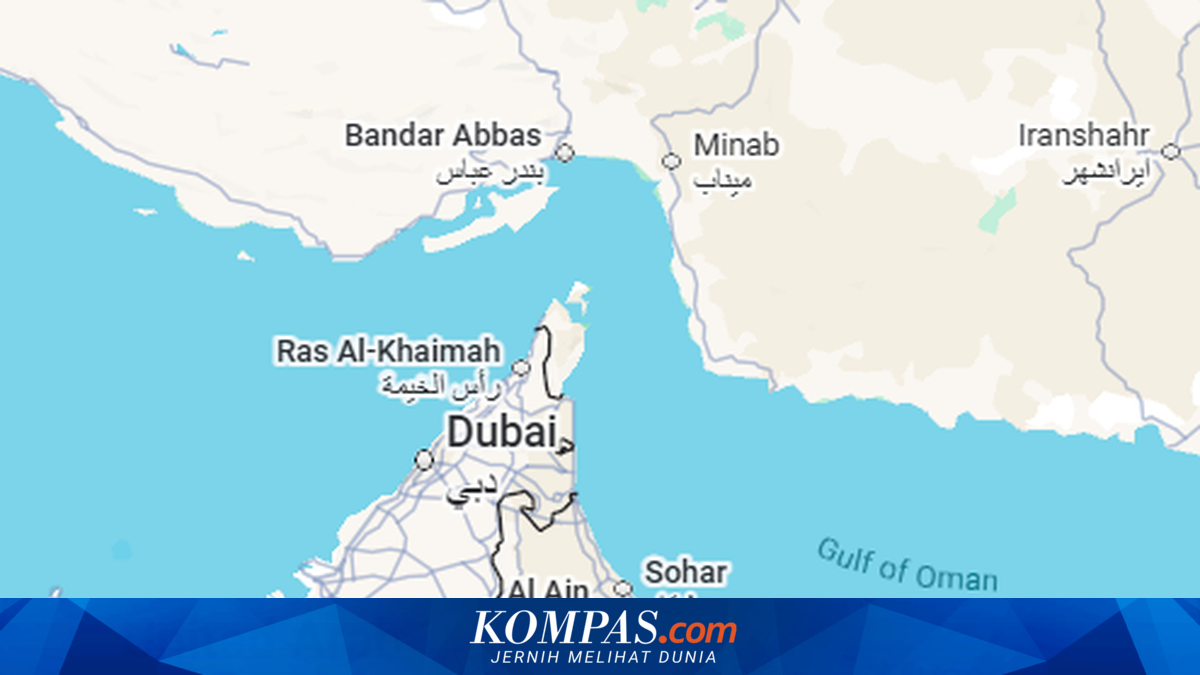
NEW YORK – Global oil prices fell approximately 3 percent at the close of trading on Monday (16 March 2026) local time, or Tuesday (17 March 2026) early morning in Western Indonesia Time, after reports that several tanker ships have resumed transit through the Strait of Hormuz amid ongoing conflict in the Middle East.
According to Reuters, the price of Brent crude futures fell by $2.93, or 2.8 percent, to $100.21 per barrel. Meanwhile, the price of West Texas Intermediate (WTI) crude futures fell by $5.21, or 5.3 percent, to $93.50 per barrel.
The decline in both global oil benchmarks occurred following reports that several oil tanker ships have resumed sailing through the Strait of Hormuz, a strategically important shipping route through which approximately one-fifth of the world’s oil and liquefied natural gas (LNG) supply passes.
“The oil market is experiencing a sell-off following reports that some oil tanker ships have begun transiting the Strait of Hormuz, whilst President Donald Trump has requested assistance in escorting tankers through that route,” wrote analysts from Ritterbusch and Associates in their notes.
Additionally, the market is also preparing for planned releases of oil from the United States’ strategic petroleum reserves and the approaching expiry of the April WTI contract on 20 March at the New York Mercantile Exchange.
Previously on Friday (13 March 2026), Brent closed at its highest level since August 2022 and WTI at its highest level since July 2022. Since the United States and Israel launched attacks against Iran on 28 February, both oil price benchmarks have surged nearly 40 percent.
US President Donald Trump has again requested other nations to assist in opening the shipping route through the Strait of Hormuz. However, European allies have not yet shown interest in expanding their naval missions in the region.
European Union foreign policy chief Kaja Kallas stated that EU foreign ministers currently have no desire to expand the European Union’s naval mission in the Middle East to the Strait of Hormuz.
International Energy Agency (IEA) Executive Director Fatih Birol said that member states of his agency are prepared to release strategic oil reserves to the market if necessary.
“We can release more oil from strategic reserves to the market if and when needed,” Birol said.
The IEA previously approved the release of 400 million barrels of strategic oil reserves last week, marking the largest release in the agency’s history.
On the other hand, military conflict continues. Israel stated it has prepared military operational plans for at least the next three weeks, whilst US Energy Secretary Chris Wright estimated the war could end within the coming weeks.
Tensions have also increased following President Trump’s threat to launch further attacks against Kharg Island in Iran, which handles approximately 90 percent of that country’s oil exports.
Meanwhile, Abu Dhabi’s state-owned oil company, Adnoc, reportedly suspended oil loading operations in the United Arab Emirates after a drone attack triggered a fire at the main export terminal.
However, two sources stated that some oil loading activity in the United Arab Emirates has resumed, with two of the three tanker mooring facilities returning to operations.