
Ships Attacked in Strait of Hormuz, Global Oil Prices Surge 10 Per Cent
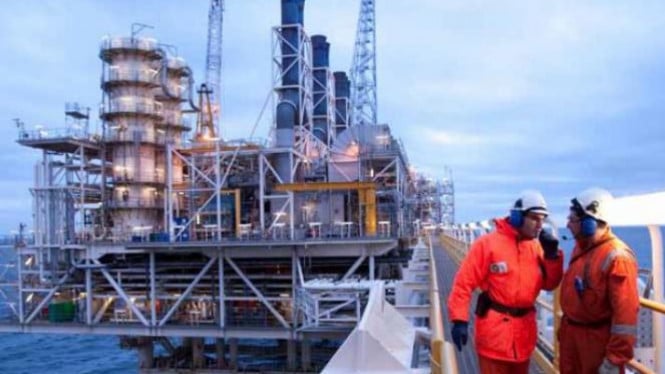
Global crude oil prices surged sharply following reports that at least three vessels were attacked near the Strait of Hormuz. The escalation came as tensions in the Middle East intensified amid Iran launching retaliatory strikes against combined operations by the United States and Israel.
The Strait of Hormuz represents a vital global energy corridor. Approximately 20 per cent of the world’s oil and gas supply transits through this region. Even minor disruptions can trigger price volatility, particularly if conflicts persist and impede distribution networks.
During early Asian trading on Monday, 2 March 2026, global oil prices surged more than 10 per cent before gains moderated slightly. At 02.00 GMT, Brent crude oil rose over 4 per cent to US$76.16 per barrel (approximately Rp1.28 million at an exchange rate of Rp16,800). Meanwhile, US crude oil was trading at US$69.67 per barrel (approximately Rp1.17 million), also up roughly 4 per cent.
Saul Kavonic, head of energy research at MST Research, stated that markets have not demonstrated excessive panic. “The market is not panicking,” he told the BBC. “There is now clarity that so far, oil production transportation and infrastructure have not become a primary target for any party,” he added.
Markets will monitor signs of resumption in traffic through the Strait of Hormuz, which would result in moderating oil prices. However, several analysts have warned that crude prices could breach US$100 per barrel if the conflict prolonges and distribution routes remain disrupted.
The United Kingdom Maritime Trade Operations Centre (UKMTO) reported that two vessels were struck by unidentified projectiles, triggering fires. A third projectile exploded in close proximity to another vessel, though all crew members were reported safe.
Iran previously warned vessels against transiting the Strait of Hormuz. Consequently, international maritime activity at the strait’s entrance has nearly halted. At least 150 tanker vessels have been reported anchored in Gulf waters awaiting safer conditions. Ship tracking platform Kpler noted that only a handful of Iranian and Chinese vessels continue to transit the route.