
Shifting Global Diplomatic Gravity
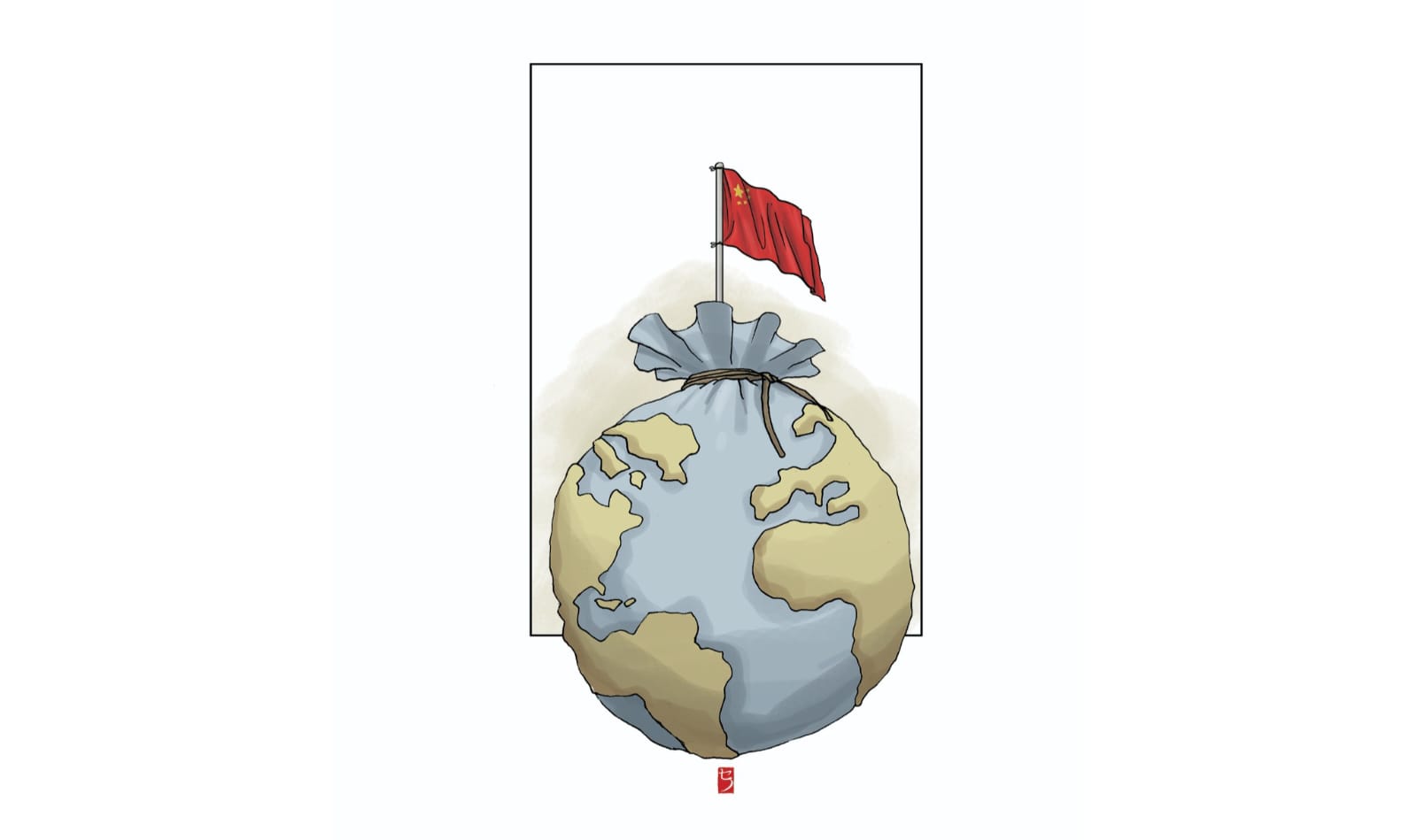
In recent months, Beijing has drawn international attention. At least four Western allies of the US (UK, Germany, Spain, and Canada) have visited Beijing to meet President Xi Jinping. Earlier this month, US President Donald Trump also travelled to Beijing to discuss bilateral, regional, and global issues. Just two days later, Russian President Vladimir Putin followed suit for talks with Xi. Amid ongoing tensions in the US-Iran conflict, Beijing has emerged as a diplomatic gravity point. What is this phenomenon?
Trump’s visit to Beijing came shortly after a series of global diplomatic dynamics. These include the US military’s detention of Venezuelan President Nicolás Maduro, American claims over Greenland, Trump’s initiative to establish a Board of Peace outside UN mechanisms for Israel-Palestine, and recent US strikes on Iran. The world has condemned these unilateral actions by the US, which disregard regional and multilateral frameworks. Western allies have strongly opposed US unilateralism and refused to join military operations against Iran. Analysts are noting signs of a rift between the US and its European allies in handling global geopolitics.
The sequence of Western and Russian leaders visiting Beijing suggests a shift in global diplomatic gravity towards Asia, specifically China. Amid the weakening Western unity, rising US unilateralism, and escalating regional tensions, the question arises: is the global diplomatic centre shifting from Europe to Asia, and how should the new world order be interpreted?
SIGNIFICANT SHIFT
The series of world leaders visiting Beijing is not merely tactical diplomacy but a reflection of significant changes in global geopolitical structures. Looking back at global political history, during the Cold War, diplomatic gravity oscillated between the US and the Soviet Union.
Francis Fukuyama, in his 1992 book The End of History, argued that with the USSR’s collapse, the US and Western Europe emerged victorious in the East-West ideological struggle. Since then, the global diplomatic centre has rested on the Atlantic axis: the US and Europe. However, growing divergences in interests between them—regarding Iran, China’s rise, and other strategic issues—have begun to fracture Western solidarity.
In the evolving international arena, Beijing has gradually emerged not just as an economic power but as a new diplomatic gravity point. Like a magnet, it attracts global actors to consult and negotiate their interests.
China is no longer viewed merely as an economic powerhouse alongside the US. It is no longer seen as a purely profit-driven trade partner. Instead, China now serves as a strategic consultation hub, previously dominated by Washington or Brussels. The turning point in China’s mediation role came with its successful facilitation of restored diplomatic ties between Iran and Saudi Arabia in 2023.
The agreement announced in Beijing surprised many analysts, as it marked the first time China mediated a highly sensitive Middle East rivalry. For decades, the Middle East was under US diplomatic dominance. Analysts see this success not just as tactical diplomacy but as a psychological shift in the global order: nations now view Beijing as a relevant venue for resolving major geopolitical issues.
CHINA’S DISTINCTIVE DIPLOMACY
China’s growing diplomatic role is evident in its mediation efforts across other regions. In Afghanistan, Beijing has hosted multiple dialogues with the Taliban and facilitated communication between Kabul, Islamabad, and related groups during the US troop withdrawal.
In Myanmar, China has mediated between the military junta and ethnic armed groups, particularly due to border instability affecting its own security and development projects. Beijing is also active in African diplomacy, including in Sudan and South Sudan, and in maintaining Gulf stability. Leveraging its economic strength, China uses its position as a major trading partner, investor, and energy buyer to pressure conflicting parties into dialogue for peace.
This engagement pattern reflects China’s distinctive diplomatic character: non-ideological, avoiding direct military intervention, but actively building a reputation as a stability facilitator. Where Washington was once seen as the global conflict resolution hub, Beijing is now gaining legitimacy as a strategic consultation partner.
In the context of US-Iran tensions, Washington hopes Beijing will help curb Tehran to prevent regional crisis. This phenomenon reveals a geopolitical irony: as Western unity frays and US global leadership faces constraints, China has positioned itself as the diplomatic meeting point for conflicting powers. In this context, the shift of global diplomatic gravity from the Atlantic to Asia is becoming increasingly evident.