
Shell CEO Says Asia is First Victim of Energy Crisis, Europe Next
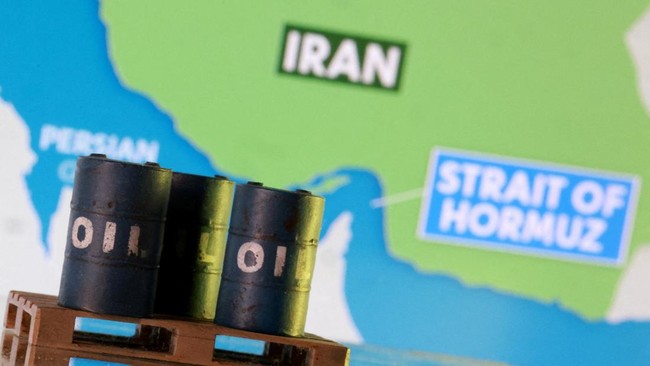
A stark warning has come from the global energy industry regarding the potential for a new crisis in Europe. If the vital Strait of Hormuz route is not reopened soon, the region risks facing energy and fuel shortages in the near term, even faster than anticipated.
Shell’s Chief Executive Officer Wael Sawan stated that his company is working with governments to address the oil and gas supply crisis, which has already prompted energy rationing policies in several Asian countries.
Oil prices dipped to around $100 per barrel on Wednesday from about $114 per barrel at the start of the week, following reports that the White House sent a 15-point peace plan to Iranian leaders.
However, Sawan cautioned that without the resumption of crude oil shipments from the Gulf region through the Strait of Hormuz, Europe could face a shortage of fossil fuels within weeks.
“South Asia will feel the impact first. It will then shift to Southeast Asia, Northeast Asia, and further to Europe as we enter April,” Sawan said at an oil industry conference in the US state of Texas, quoted from The Guardian on Thursday (26/3/2026).
He added that the crisis, now in its fourth week, has affected aviation fuel supplies, with prices doubling since the conflict began. The next pressure points are likely to be on diesel, followed by petrol, as the summer travel season starts in the United States and Europe.
This warning aligns with statements from German Economy Minister Katherina Reiche, who also spoke at the same conference. She said that energy supply shortages could occur by the end of April or May if the conflict continues.
Reiche also deemed Germany’s decision to halt nuclear energy use a major mistake, adding that increasing imports of gas via high-cooling tanker ships from abroad will be an important part of the solution.
The threat to Europe’s energy supplies could also drag the global economy into a prolonged recession if oil prices reach $150 per barrel.
Head of US financial firm BlackRock, Larry Fink, said in an interview with the BBC that if Iran remains a threat and oil prices stay high, the impact on the world economy will be enormous.
According to Fink, it is still too early to determine the full scale of the conflict, but he outlined two scenarios. The first is a full resolution of the conflict that allows oil prices to return to pre-crisis levels of around $70 per barrel. The second is a prolonged conflict that drives prices to record highs.
Meanwhile, a UK government spokesperson said the country has a diverse and resilient energy supply. “The UK has a diverse and resilient energy supply. We continue to work with partners on the international situation,” they stated.