
Sharp Spotlight from Jakarta DPRD on Drinking Water Regional Regulation Draft
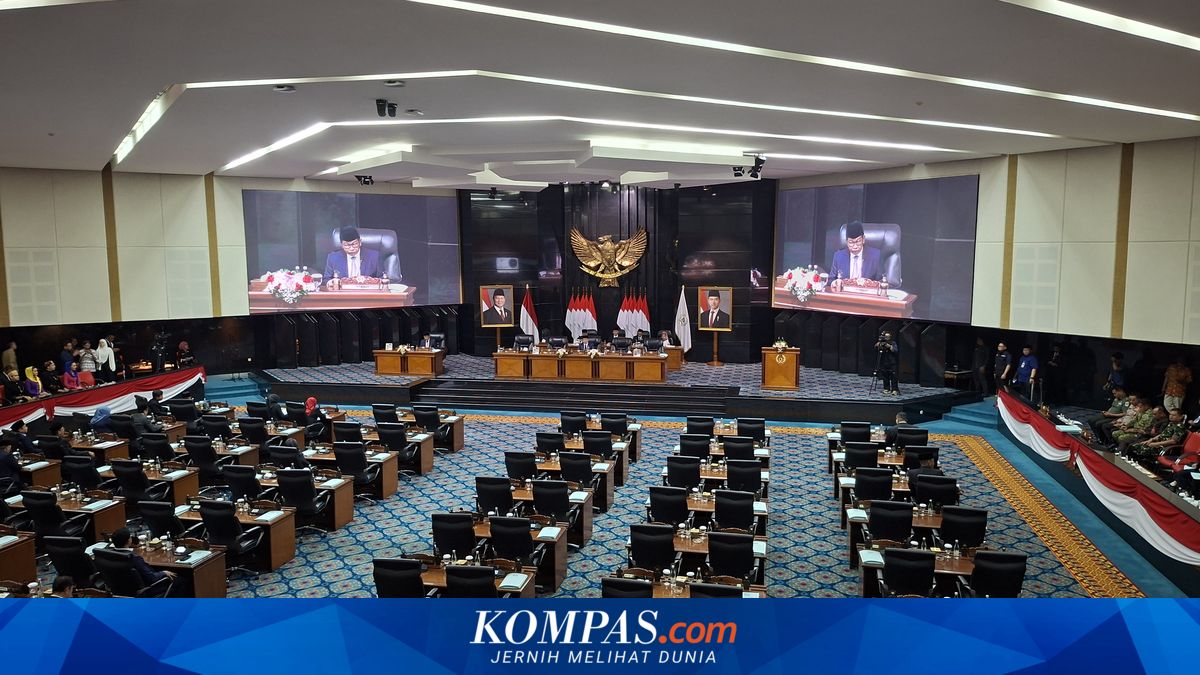
Jakarta - The Jakarta DPRD held a plenary meeting to discuss the Draft Regional Regulation (Raperda) on the Drinking Water Supply System (SPAM) at the DPRD Jakarta Building on Monday (13/4/2026).
This plenary session highlighted several crucial issues related to water governance, from the availability of decent water, service improvements, tariffs, the controversy over groundwater bans, to the potential for monopolies.
Council members provided various views to ensure that this new regulation is not merely a formality, but truly guarantees residents’ basic right to clean water and saves the capital’s land from subsidence threats.
PKS Faction member Ismail demanded a principle of reciprocity between PAM Jaya and the community, including in terms of sanctions.
“If residents are penalised for late payments, then the regional-owned enterprise must also be subject to penalties or automatic compensation if it fails to provide services, such as water outages or substandard water quality within a certain timeframe,” said Ismail.
According to him, PAM Jaya should ensure services are always on for at least 20 to 24 hours a day so that the community can enjoy maximum benefits.
In response to the compensation demand, Jakarta Governor Pramono Anung promised to regulate mechanisms for sanctions against negligent service providers.
“This Raperda has mandated the establishment of various gubernatorial regulations as implementing rules, including those related to the transfer of management of facilities and infrastructure, tariff subsidies, licensing, approval of SPAM operators, and procedures for imposing administrative sanctions,” said Pramono.
“This Raperda also calls for firm clauses on special social tariffs, even up to Rp 0 or full subsidies, for community facilities such as places of worship, orphanages, and public schools as a manifestation of the state’s commitment to serving the people,” stated Ismail.
Pramono agreed that subsidies would be carried out transparently based on the Integrated Social Welfare Data (DTKS) and evaluated periodically, not based on business profit targets.
However, he did not provide an answer regarding the proposal for Rp 0 tariffs for houses of worship.
Ismail also criticised the high water leakage rate or non-revenue water, which reached 46.67 percent, while the initial target was 25 percent.
“If this condition is allowed to continue, then the 100 percent service target by 2030 will only be an illusion,” he said.