
Shariah Economy in West Java Continues to Rise
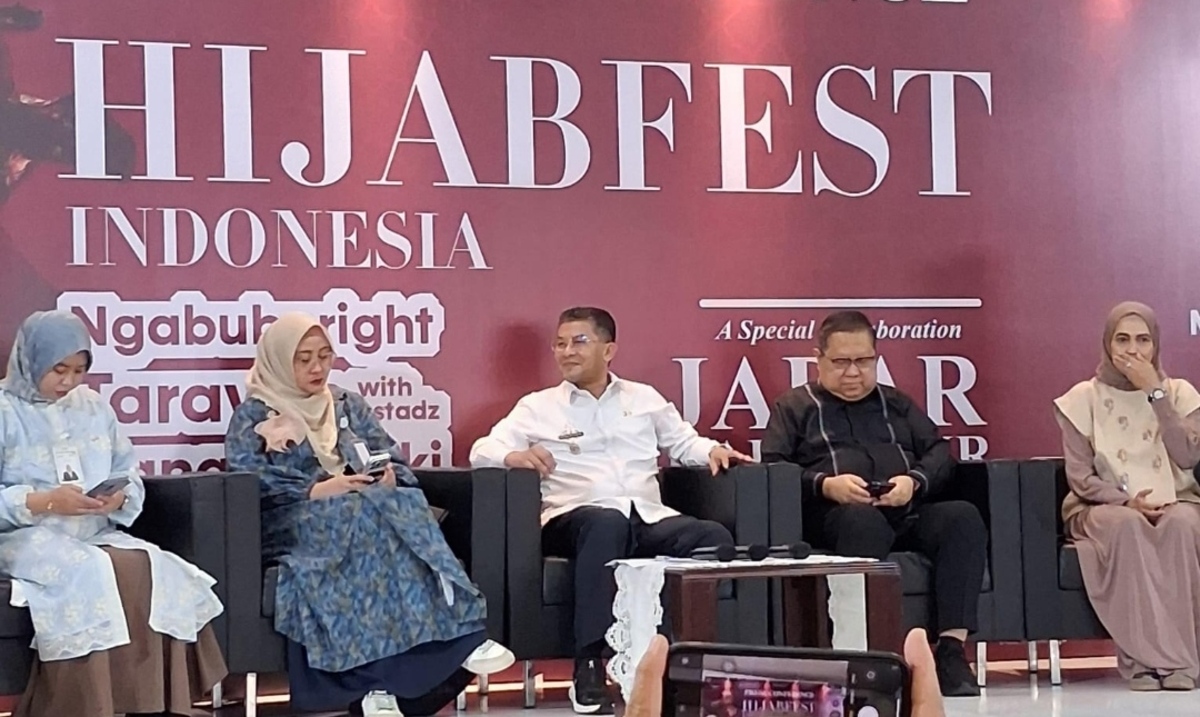
The Islamic economy in West Java is continuing to show significant growth, reflected in a robust halal industry ecosystem spanning fashion to cuisine, increasingly integrated into global supply chains. A tangible snapshot was evident at Indonesia Hijabfest 2026, held at Sasana Budaya Ganesha, Bandung, from 5–8 March. The annual event draws thousands of visitors and stands as evidence of collaboration between monetary authorities, regional government, and business players to strengthen a people-centred economy.
Head of Bank Indonesia West Java Representative Office, Muhamad Nur, stated that the potential for developing the Shariah economy in West Java is strategically important. With the largest population in Indonesia, West Java has strong social and economic capital to lead the halal business sector. ‘This event is not merely a product promotion, but a space to reinforce the people’s economy. The Shariah potential in Jabar is enormous and provides a strategic opportunity to continue promoting inclusive growth of halal enterprises,’ Nur said.
West Java Deputy Governor Erwan Setiawan revealed that West Java’s achievements in the Shariah economy have been nationally recognised. In 2025, notable achievements include being the overall champion Adinata Syariah. West Java is the province with the most halal-certified products nationwide. ‘With 97.3% of the population being Muslim and a highly creative younger generation, this momentum must be safeguarded. Developing the Shariah economy requires sustained upstream-to-downstream synergy,’ he said.
Bandung Mayor Muhammad Farhan highlighted the importance of building an integrated supply chain system in Bandung. He noted that the ‘Paris van Java’ nickname should be manifested through the development of the industry from raw materials, to apparel, to final design. ‘We need to build a strong system. Not only designers, but the entire ecosystem from upstream to downstream must be developed in Bandung,’ Farhan asserted.
Sheena Krisnawati, founder of Hijabfest, recalled the movement’s beginnings in 2012, which has now transformed into a megaproject industry. The involvement of local entrepreneurs, including iconic tenants from Pasar Cihapit, shows that the Shariah economy can embrace traders at all levels. ‘With full support from Islamic banking and BI policies, MSMEs in West Java can move up a level with standardised halal products,’ she said. She also hopes MSMEs can expand market networks at the national and international levels and bolster business capacity through safe Islamic financial literacy.
Active participation by various stakeholders in Indonesia Hijabfest 2026 is expected to yield multiplier effects for regional economic strengthening. ‘Ultimately, this will make West Java’s economic growth more inclusive and widely felt,’ she added.
On the digitalisation front, BI together with Bank Syariah Indonesia (BSI) is actively educating visitors about digital payments. Attendees can experience QRIS-based transactions with accessible denominations. The event underscores the broader push to mainstream Islamic finance and digital payment literacy.