
Sharia Schemes as Alternative Housing Financing
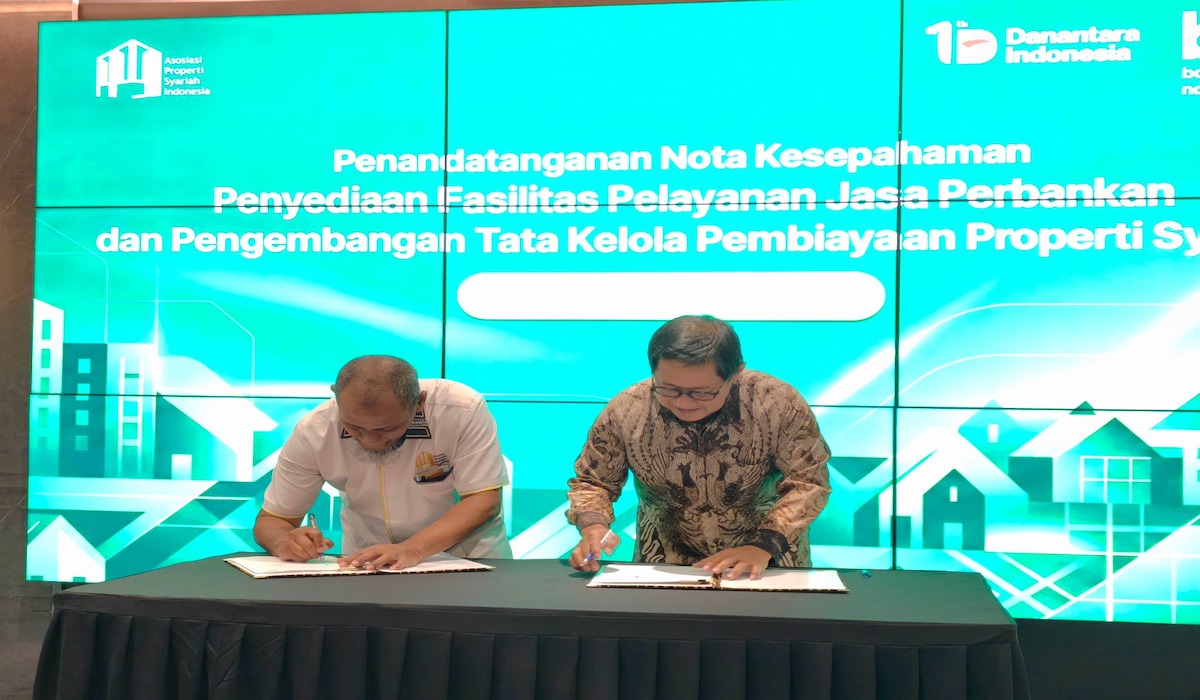
Efforts to tackle the housing backlog while expanding access to sharia-based financing are gaining momentum from the banking sector. Bank Syariah Nasional (BSN) has teamed up with the Indonesian Sharia Property Association (APSI) to strengthen sharia property financing, which is still hampered by low literacy and limited funding access.
BSN President Director Alex Sofjan Noor stated that collaboration with property industry players is necessary to accelerate the distribution of real sector financing, particularly sharia-based housing, which has significant potential in Indonesia.
“This partnership is a strategic step to bolster real sector financing, especially the sharia property industry. We see a very large market potential, but financing access still needs to be expanded to make it more accessible to the public,” Alex said in Jakarta recently.
According to him, BSN will provide various financing schemes, from construction project financing to sharia home ownership credit (KPR) with tenors of up to 30 years and competitive margins.
On the other hand, APSI General Chairman M. Abubakar views support from sharia banking as a key factor in accelerating the growth of the sharia property industry, particularly amid rising housing needs and the trend towards halal lifestyles.
“So far, sharia property developers have faced challenges in accessing financing, both for projects and consumers. With banking support, development can be healthier and more sustainable,” Abubakar said.
He added that the potential for the sharia property market continues to grow along with increasing public awareness of riba-free home ownership. However, public understanding of sharia financing systems is still limited.
“Literacy is the main challenge. Many people do not yet understand that the sharia system is not just a term, but offers more transparent and equitable transaction mechanisms,” he stated.
Through this partnership, BSN will provide financing for developers such as construction financing, land acquisition, and working capital, as well as subsidised and non-subsidised home ownership financing for consumers.
Additionally, both parties are preparing the integration of banking transaction services and strengthening the ecosystem through an integrated platform that connects developers, consumers, and financial institutions.
Amid the still high housing backlog, this collaboration is expected to expand affordable sharia-based housing options while increasing sharia financial inclusion in the property sector.
APSI also encourages developers from various associations to start utilising sharia banking services to strengthen the national property industry and provide more stable and principled alternative financing.