
Several Studies Indicate Positive Aspects of MBG for Beneficiaries
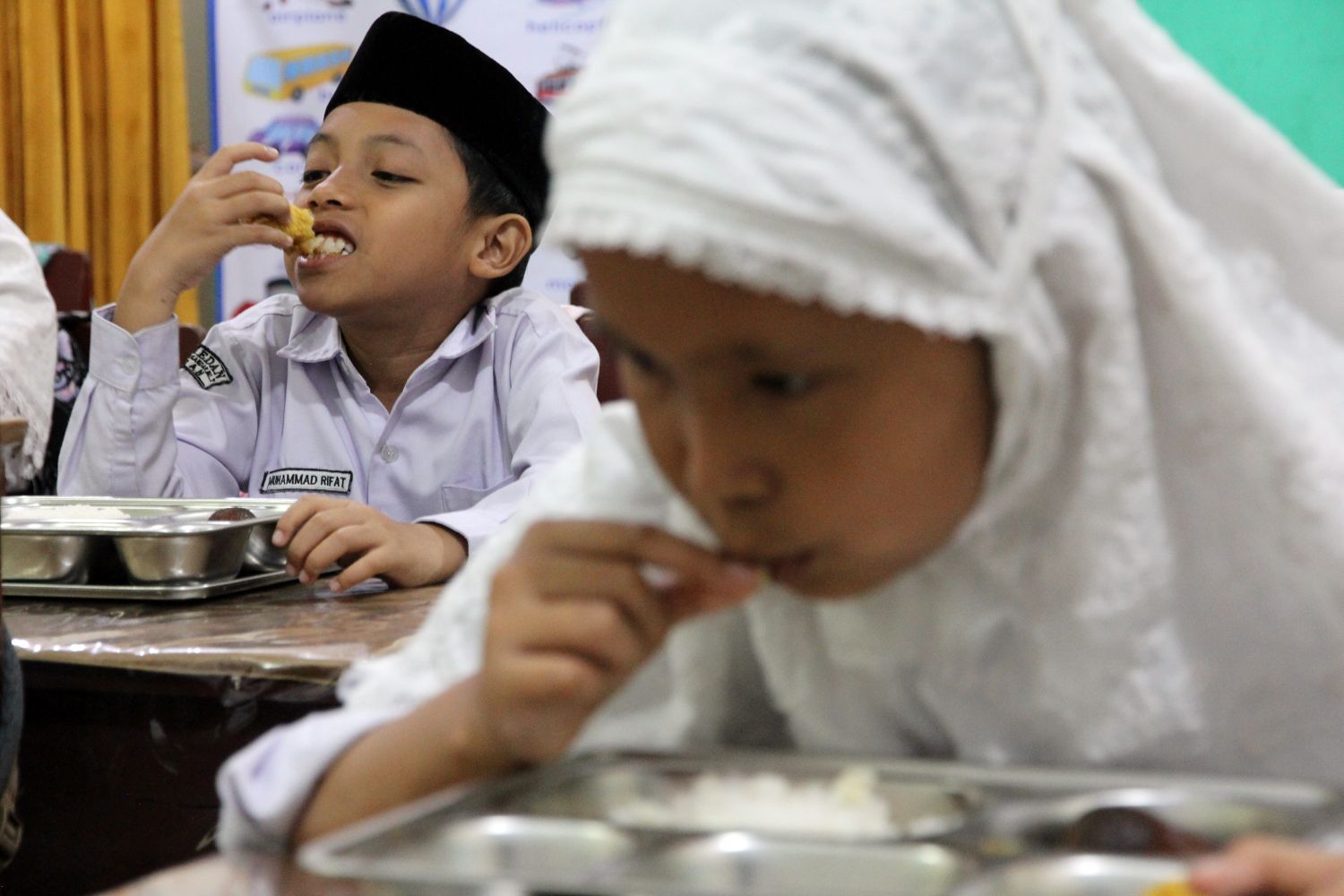
Recent studies on the Free Nutritious Meals (MBG) programme, conducted by the Centre for Sociology Studies at the University of Indonesia (LabSosio UI) and RISED (Research Institute of Socio-Economic Development), released in March and February 2026 respectively, show that MBG delivers a range of benefits for students and communities beyond simply nutrition. The research paints MBG as contributing to reduced parental burden and healthier pupils. Hari Nugroho, head of LabSosio-LPPSP at FISIP UI, noted on Friday 6 March that one of the most encouraging findings is the high level of community acceptance, especially among lower-income groups. Parents interviewed on the ground generally gave very positive assessments of the programme. The findings suggest MBG helps ease family financial strain and saves children’s pocket money. “For parents who work in the mornings, this programme is a pragmatic solution that ensures their children do not go hungry and continue to have access to nutritious meals at school. Almost half of pupils, 48.5%, report rarely or never having breakfast before going to school. Consequently, 85.8% of pupils consistently consume MBG-supplied meals,” Nugroho said. Household expenditure The research aligns with RISED’s findings on MBG’s impact on household spending and beneficiaries. Eighty-one per cent of parents from vulnerable households express support for sustaining MBG. “Interestingly, this support goes beyond saving money; it reflects a sense of security and certainty that their children will have access to nutritious meals at school,” RISED researcher M. Fajar Rakhmadi said. RISED’s results indicate changes in children’s eating habits: 72% of parents report their child is now more routinely consuming nutritious foods, and 55% say their child is more willing to accept a variety of foods. More active learning Beyond satisfying hunger and providing nutrition, MBG appears to boost students’ enthusiasm for learning. A parent, Mrs Adriana Hedmunrewa of Kalinawano village, Sumba Barat Daya, NTT, described positive changes observed in her child Antonio Adrian Stefanus, a sixth-grade pupil at Weetabula II State Elementary School. “In my view this helps a lot. While waiting for break, they have already eaten MBG. Their learning activity at school is more active. Now he can do mathematics on his own without help. When he receives his report card, his grades have improved to an average of eight. He also looks more energetic and fit,” Adriana said. Addressing implementation challenges As a large-scale programme, MBG inevitably requires on-the-ground adaptation. Some challenges remain to be addressed to enhance effectiveness. “We recommend a more participatory and collaborative approach to delivering MBG. A key step is to place schools as the primary actors from the planning stage. Active involvement of the Health Department is needed for supervision and periodic quality-control checks of kitchens,” Hari suggested. Overall, MBG has laid a solid foundation for supporting the health and education of the nation’s children. With ongoing refinement and cross-sector synergy, the programme is poised to become a major catalyst for a healthier and smarter generation in Indonesia. (E-2) Minister of Law and Human Rights Natalius Pigai explained that the implementation of the Free Nutritious Meals (MBG) programme in Indonesia represents a strategic move for the country’s long-term interests.