
Several Prominent Figures Advocate for Space for Correction to Address National Leadership Crisis
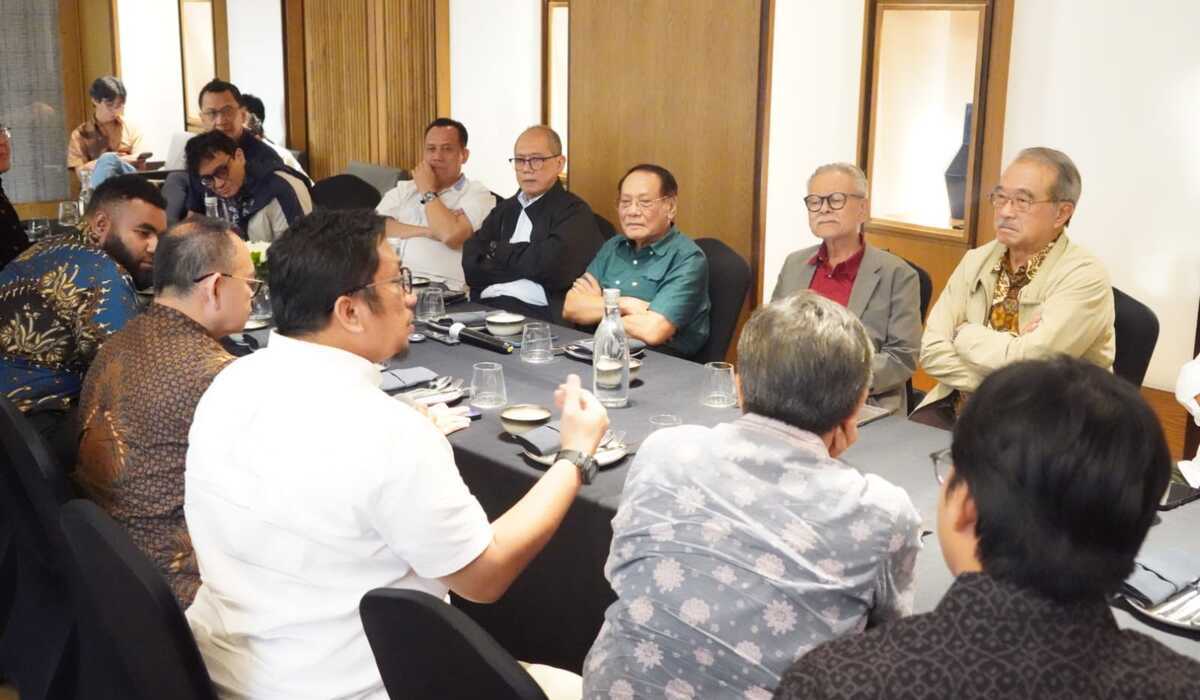
Rector of Harkat State University, Sudirman Said, emphasised that the nation’s increasingly challenging future requires intrinsic leadership pillars. He criticised the current tendency of leaders to rely more on formal authority than on their track records.
This was stated by Sudirman during a cross-generational discussion involving several national figures in South Jakarta. In that meeting, the figures agreed that Indonesia is facing a systemic leadership crisis.
“Leaders must have a solid foundation of track record and integrity, not just using the authority given to them in an unwise manner,” said Sudirman during the discussion.
Meanwhile, former TNI Commander, Retired General Endriartono Sutarto, assessed that the state’s priority management in the defence sector has not yet favoured human welfare. Endriartono questioned the policy of purchasing expensive defence equipment amid stagnant budgets.
“The state has an obligation to prosper its people. It is better to make the tools we have capable, rather than buying many that become outdated in a few years,” said Endriartono. He also touched on the addition of rank structures that he deemed erode the rights of lower-level soldiers.
From the perspective of constitutional law, Feri Amsari dissected the damage to the political superstructure as an obstacle to the birth of quality leaders. He assessed that current political parties have transformed into exclusive commercial entities for super-rich groups.
“The entry requirements for political parties are made in such a way that only super-rich people can enter. They do not care about democracy; what matters is increasing wealth,” criticised Feri.
In line with that, businessman Anton Supit emphasised that the country’s fiscal and economic problems will not be resolved without legal certainty and good governance. However, he stressed that this criticism arises from a sense of ownership towards the state.
Anti-corruption figure, Erry Riyana Hardjapamekas, underlined the importance of humility in power to open up space for correction. According to him, willingness to be corrected is an acknowledgement that Indonesia is a shared home, not personal property.
Closing the discussion, legal expert Arief T. Surowijoyo invited the public to remain optimistic. He saw the great cross-generational concern in this discussion as strong capital for total national improvement.
“There is so much pessimism, but I am the opposite; seeing our current concern, I am optimistic because we have the same concern for change. This is what we must correct through total national improvement so that we do not keep standing still,” concluded Arief.