
Several DPR Political Party Factions Support Prabowo's Option to Cut Official Salaries
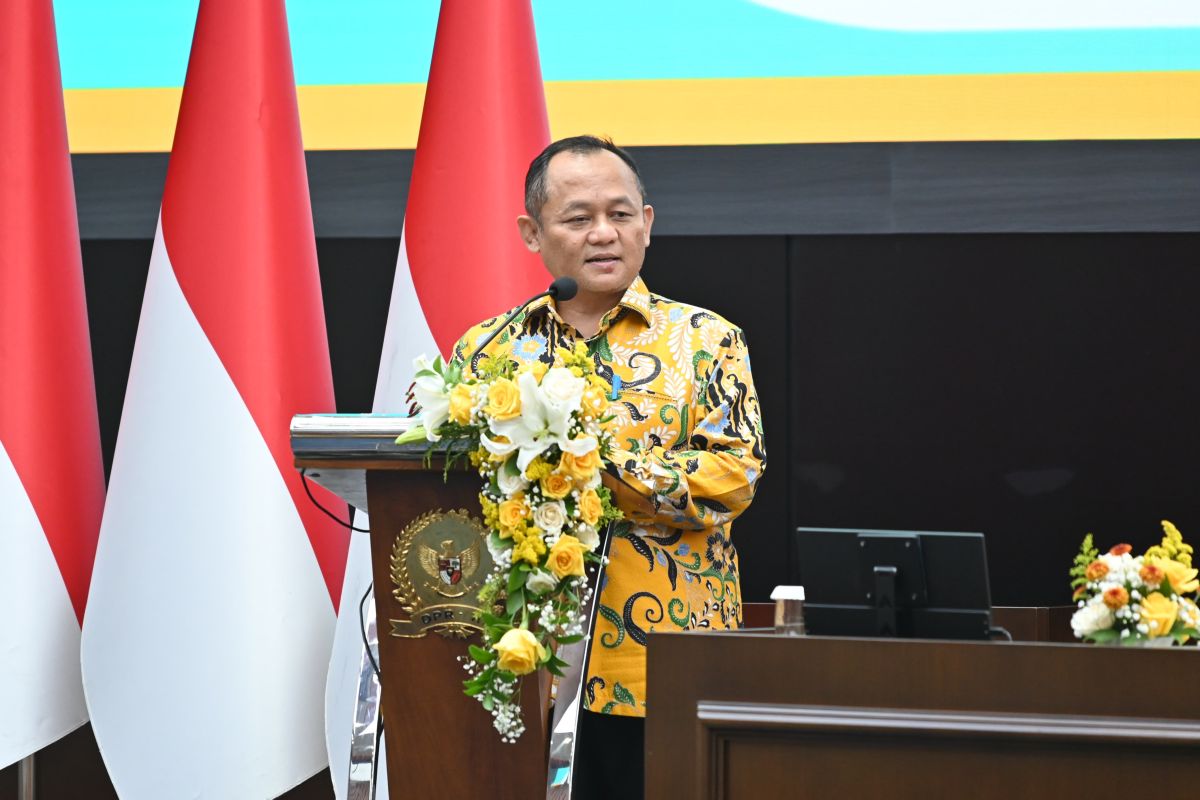
Jakarta — Several political party factions in the House of Representatives (DPR) have expressed support for President Prabowo Subianto’s option to reduce the salaries of officials, particularly cabinet members and DPR members, as an anticipatory measure against the impact of global crises.
Muhammad Sarmuji, Chair of the Golkar Faction in the DPR, stated that he was prepared to accept a salary cut if the nation required it. According to him, this constitutes an effort to create sensitivity to the situation and adapt accordingly.
“The government must already be conducting simulations regarding what can be done to address the situation,” Sarmuji said in Jakarta on Monday.
Meanwhile, Ahmad Sahroni, Secretary of the NasDem Party Faction in the DPR, expressed support for the President’s efforts to find solutions for the welfare of the people amid the current global situation. The government, he said, has various options to streamline the budget, but these must be thoroughly examined.
“Particularly matters related to salaries, which must be discussed very carefully. Because if not examined thoroughly, efficiency in the salary budget has the potential to produce downstream effects,” Sahroni said.
Nevertheless, he emphasised that the DPR’s stance and principles would align with the government, namely that the people’s interests are paramount.
Eddy Soeparno, member of Commission XII in the DPR from the PAN Faction, affirmed that his faction would follow the President’s direction. He believed the nation must prioritise the people’s interests.
“So what the President has proposed, I believe is already very comprehensive and complete, and we agree with what he has conveyed,” Eddy said.
Previously, President Prabowo Subianto promoted measures to economise on fuel oil consumption as well as considering work-from-home policies as an anticipatory step against the impact of global crises.
As a point of comparison, the President cited several economy measures undertaken by other countries, such as Pakistan. That country has implemented measures regarded as critical steps, including implementing work-from-home for government and private sector employees up to 50 per cent and reducing working days to four per week.
Additionally, the government of that country also economised by reducing the salaries of cabinet members and the legislature, cutting fuel consumption for government vehicles, limiting the use of official vehicles, and halting certain government expenditures such as vehicle procurement, air conditioning units, and office furniture.
The President conveyed that these various examples of measures could serve as material for study by the government to determine the necessary economy policies.