
Several Areas in Cilacap Begin Dry Season 2026
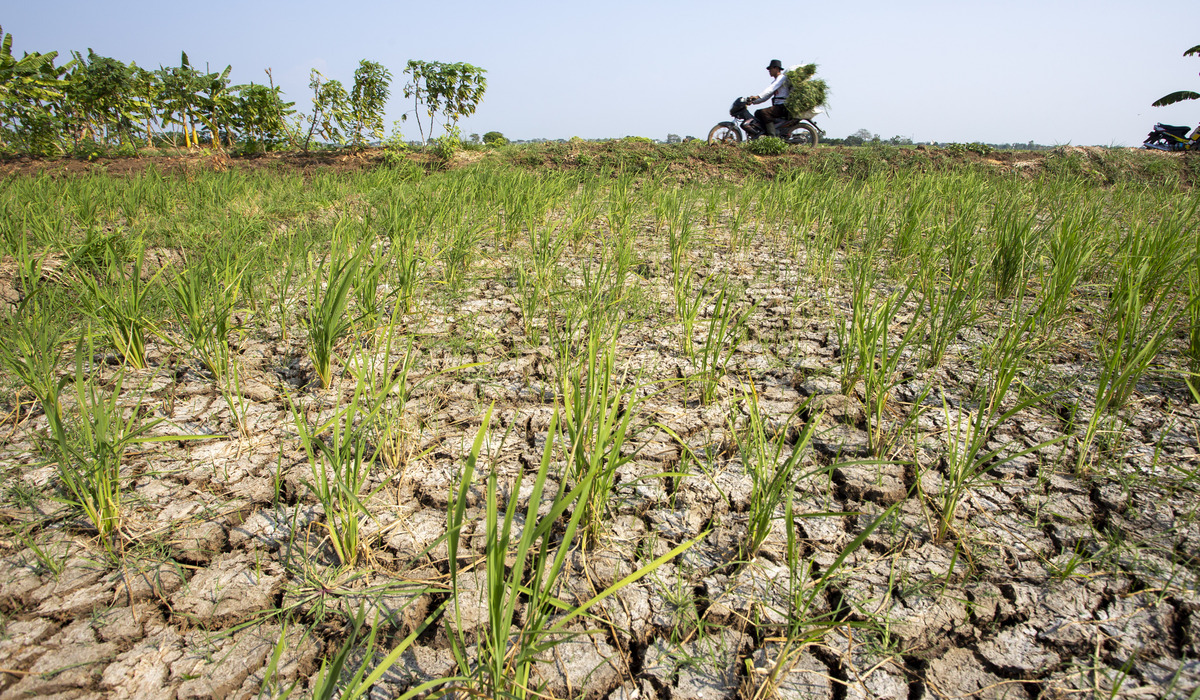
Several areas in Cilacap Regency, Central Java began entering the dry season in May. Although the 2026 dry season has arrived, there remains the potential for rain. Teguh Wardoyo, head of the Data Service and Information Dissemination Work Team of BMKG Cilacap, explained that meteorologically a region is said to have entered the dry season when rainfall falls below a threshold. He noted that a region is categorised as experiencing the dry season if total rainfall is less than 150 millimetres per month. ‘The month is said to be the dry season when the accumulated rainfall is less than 150 millimetres per month. Usually the dry season lasts from April to September,’ Teguh said on Friday 22 May 2026.
He gave an example: Kampung Laut in April 2026 recorded rainfall of around 330 millimetres, thus not yet in the dry season. Meanwhile Maos had recorded around 148 millimetres and has begun to be categorised as entering the dry season. Apart from monthly rainfall accumulation, BMKG also applies a ten-day observation system to determine the start of the dry season. In that system, a month is divided into three observation periods. The area is deemed to have entered the dry season if rainfall is under 50 millimetres per ten-day period for three consecutive ten-day periods.
Up to the second ten-day period of May 2026, several Cilacap areas recorded rainfall of less than 50 millimetres for two consecutive ten-day periods. The districts include Binangun, Nusawungu, Kroya, Maos, Kesugihan, Jeruklegi, Gandrungmangu, Cipari, and Sidareja. ‘If rainfall in the third ten-day period remains low, then those areas have legally entered the dry season. But if rainfall rises again above 50 millimetres, then it cannot yet be called the start of the dry season,’ he explained.
On the other hand, some other areas in Cilacap still qualify as experiencing the rainy season because rainfall remains relatively high. Areas such as Dayeuhluhur, Wanareja, Majenang, Cimanggu, and the Cilacap Meteorological Station area still record rainfall above 50 millimetres per ten-day period.
BMKG emphasises that rain remains possible during the dry season, but its intensity and frequency are lower than during the rainy season. ‘The dry season does not mean there is no rain at all. Rain may still occur, but its intensity is lower,’ he said.
Based on BMKG weather forecasts, the peak of the dry season in Cilacap is expected to occur from August to September 2026. During that period, the potential for drought and water shortages is expected to rise. In addition, this year’s dry season is predicted to be below normal, so the public is asked to remain vigilant from an early stage.
Teguh also reminded the public to understand the climatological definition of the dry season to avoid misunderstanding. ‘In the community there are sometimes assumptions that the dry season means no rain at all. But climatologically it is not like that. Rain is still possible, but the amount is less,’ he added. (H-3)