
Seven Indonesian Cities Built by the Dutch from Scratch
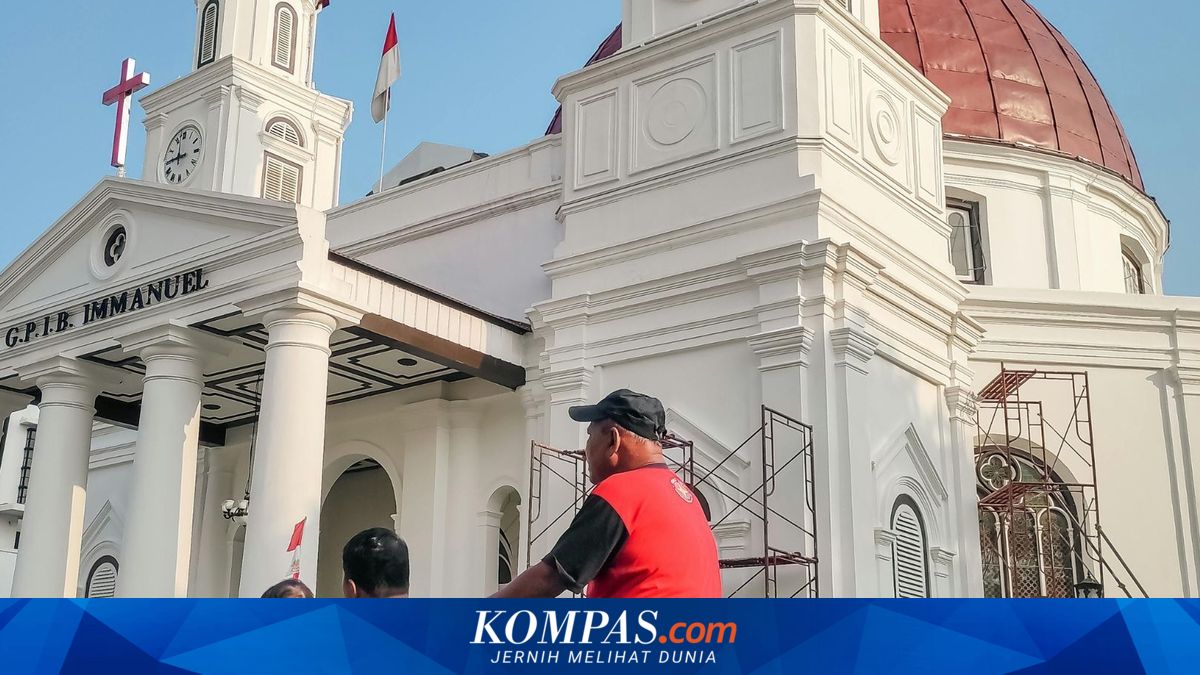
During the colonial period that lasted hundreds of years, the Dutch left various development marks throughout Indonesia. One of the legacies still visible today is a number of cities designed with modern spatial planning for their time. The Dutch East Indies colonial government built various infrastructure in these cities, ranging from trading posts, government offices, military barracks, train stations and railway routes, to irrigation systems. Many of these facilities continue to be used to this day.
Several Indonesian cities had their urban layouts planned or developed by the Dutch from the ground up or from their earliest stages.
During the colonial period, this region was designed as a residential area for Europeans because of its strategic location between Semarang and Solo. The city, situated on the slopes of Mount Merbabu, even earned the nickname “De Schoonste van Midden Java”, meaning the most beautiful city in Central Java.
One of the historic buildings in this city is the residence of Baron Van Hakeren Van De Sloot, now known as Gedung Papak. At that time, the streets of Salatiga were designed neatly, equipped with wide pavements and rows of shade trees. This concept was created so that Europeans, accustomed to walking or cycling, would remain comfortable in the tropical climate.
Bandung also ranks among the cities deliberately designed by the Dutch. Before developing into a centre for government and business, this area was merely a cool rural region in the Priangan area. In 1810, Dutch East Indies Governor-General Herman Willem Daendels moved the capital of Bandung Regency from Krapyak (now Dayeuhkolot) to the current Bandung area because the old region was frequently struck by floods. However, with the city’s rapid growth and increased vehicular traffic, the colonial-era street design has ironically become one of the causes of traffic congestion in Bandung.