
Seven Electric Vehicle Manufacturers Express Interest in Building Factories in Indonesia
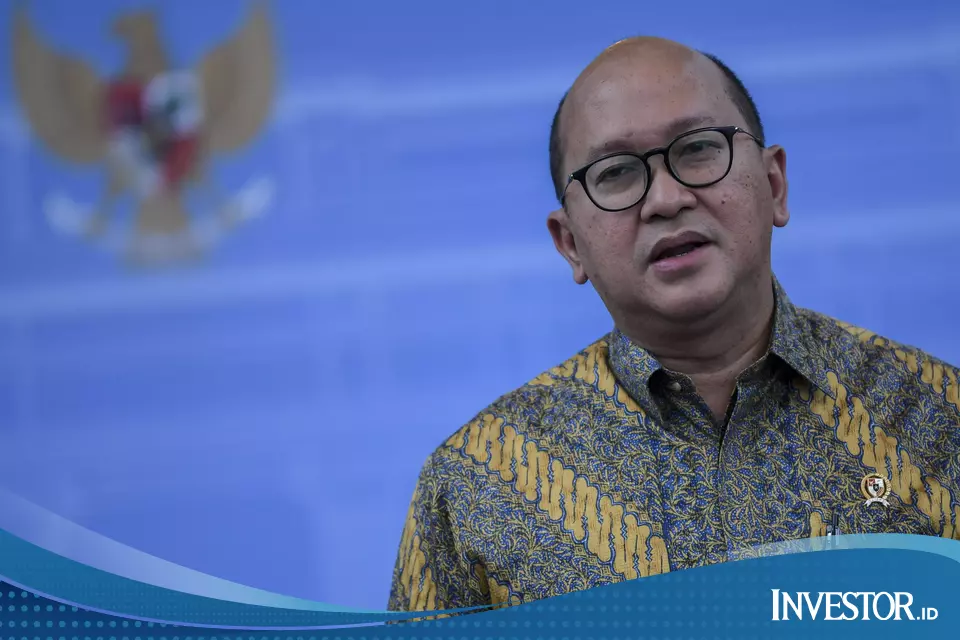
JAKARTA, investor.id – The Ministry of Investment and Downstreaming/Investment Coordinating Board (BKPM) has revealed that seven electric vehicle (EV) manufacturers have expressed interest in building factories and commencing production in Indonesia.
Minister of Investment and Downstreaming/Head of BKPM Rosan Roeslani disclosed that of the seven companies in question, several have already committed and are currently constructing their factories. The seven EV manufacturers interested in establishing plants in Indonesia are BYD, Citroen, Aion, Gili, Maxus, Volkswagen, and VinFast.
The total investment value for the construction of these electric vehicle factories reaches Rp 15.4 trillion, with a combined production capacity of 281,000 units per year.
“There are already seven electric vehicle manufacturers that have declared the relocation of their investments and have begun construction, with a total value of Rp 15.4 trillion,” Rosan stated in the SCBD area of Jakarta on Tuesday (6 May 2025).
The BKPM head noted that the investment interest is inseparable from the continued upward trend in electric vehicle sales in Indonesia. Electric vehicle sales in 2024 increased by 151 per cent. In line with this sales trend, Rosan said it is only fitting for Indonesia to have domestic electric vehicle manufacturing plants. This would build a sustainable electric vehicle ecosystem from upstream to downstream.
“This growth is indeed very, very significant. And we must strengthen our ecosystem, because we do not want to be merely a market,” Rosan said.
Furthermore, investment realisation in Indonesia’s electric vehicle ecosystem has continued to trend upwards. A key attraction is Indonesia’s commitment to achieving net-zero emissions (NZE) by 2060 or sooner. Indonesia also possesses vast natural resource potential for electric vehicle batteries, including both nickel and bauxite commodities. This naturally serves as a strong consideration for investors to commit their capital in Indonesia.
“We know that Indonesia has committed to the world, both externally and internally, to achieve net-zero emissions by 2060 or earlier, and we have committed to that,” Rosan affirmed.