
Setting Digital Boundaries: Why Self-Control and Empathy Matter Before Posting on Social Media
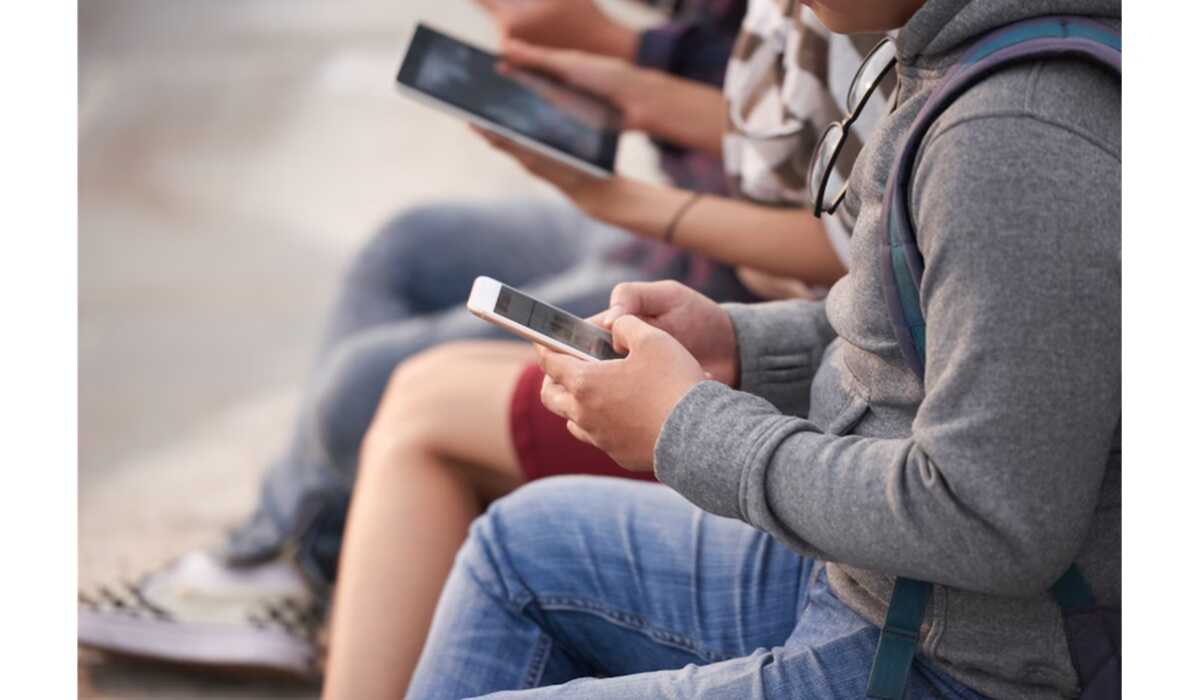
In the fast-paced digital era, the boundaries between private and public spaces are becoming increasingly blurred. The phenomenon of oversharing, the habit of sharing personal information excessively on social media, presents a unique challenge for many users.
Professor of Psychology at the University of Indonesia, Prof. Dr. Rose Mini Agoes Salim, M.Psi., reminds us that this behavior requires moral awareness, particularly empathy and self-control.
The professor, affectionately known as Romi, explains that social media has two contradictory sides. While it can be used as a means of sharing educational or beneficial research, uploading excessive details of one’s personal life often has negative consequences, both for oneself and for social relationships.
“If the content shared is educational, conducting research, or giving lectures, it may still have a positive impact on others. But if it’s something personal, it’s best not to share it too much. There are things that, morally, people should be able to limit themselves from sharing,” said Romi, quoted on Wednesday (February 25).
According to Romi, many individuals engage in oversharing without realizing it. This is often triggered by psychological impulses when receiving appreciation, such as likes or positive comments from their audience. This feeling of being noticed creates an addictive effect, which then makes social media users less selective in filtering information that is suitable for public consumption.
In reality, every piece of information shared has consequences. Not everyone has the same perception of what we share, so the potential for disagreement always exists. Therefore, she emphasizes the importance of moral stimulation in online activities.
Romi refers to the concept of seven essential virtues, which should be a guide for humans, namely empathy, self-control, and conscience. These three virtues play a crucial role when someone wants to interact in the digital space:
“The seven essential virtues should be present in every human being and already are, but they need to be stimulated so that they can better understand and be integrated into our lives in practice. For example, when making decisions, including when posting on social media,” said Romi.
Ultimately, being wise in social media does not mean stopping sharing, but rather being more selective in choosing what to upload. By combining empathy, self-control, and conscience, users are expected to be able to maintain relationships and mutual comfort in the online world. (Ant/Z-1)
Songs or music that appear in video streaming or live streaming on digital platforms are subject to royalty collection.
According to a screenshot shared by Paluzzi, Meta will warn users if they leave the Close Friends list.
The Ministry of Communication and Informatics stated that it has blocked a number of websites and social media content accessed by the suspected perpetrators of the bombing at SMAN 72 Jakarta.
In addition to suggesting that the word “free” be removed from the Free Nutritious Meal (MBG) program, Commission IX of the DPR RI also highlighted the many parodies of MBG circulating on social media.
This option is also considered to make it easier for the government to monitor the digital space for all forms of misinformation and hoaxes.
When a person is at the peak of their emotions, whether it is overwhelming joy, deep sadness, or intense anger, they tend to become more impulsive.
Oversharing on social media is related to the need to gain validation from others.