
Service City at the Test Point
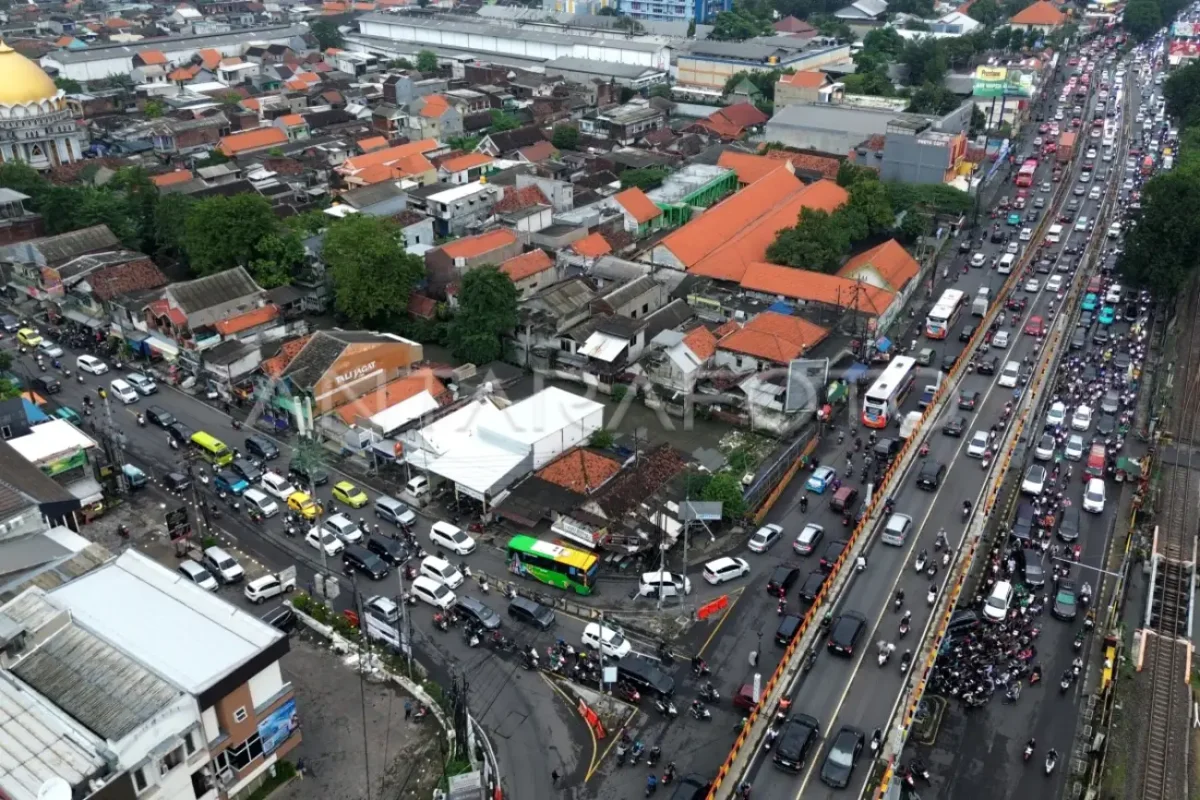
Surabaya (ANTARA) - Surabaya moves as a city with a continuously vibrant economic pulse. The density of activities on the streets, in the ports, and in trading centres reflects the strong role of the services and trade sectors in shaping the city’s face.
Surabaya is no longer solely known as an industrial or port city, but is increasingly asserting itself as a service city that relies on trust, connectivity, and service quality.
This change is not accidental. It is born from necessity, as well as strategy. When the national economic structure shifts towards the services sector, major cities are compelled to adapt. Surabaya, with its long history as a trade hub in eastern Indonesia, is in a strategic position to take on that role.
Data shows that the wholesale and retail trade sector contributes more than a quarter of the city’s gross regional domestic product (GRDP), followed by the processing industry and the accommodation and food and beverage sector. This means that Surabaya’s economy now heavily relies on service activities that facilitate the movement of goods, people, and experiences.
However, becoming a service city is not just about numbers. It concerns a change in mindset: from a production-based economy to a service-based one. It is at this point that Surabaya is being tested.
Transparency
The transformation towards a service city places trust as the primary currency. Without trust, investment hesitates to enter, transactions slow down, and services lose legitimacy. The Surabaya City Government appears to recognise this by promoting digitalisation as a tool to build transparency.
Steps in digitalising public services, from supervising restaurant and hotel taxes to plans for implementing cashless parking, demonstrate systematic efforts to reduce leakage gaps while increasing accountability. The results are starting to show.
Revenue from the hotel sector, for example, has experienced a significant increase, indicating that a more transparent system can strengthen local own-source revenue (PAD).
Surabaya even records around 75 per cent of PAD coming from the city’s internal capabilities. This is not a small figure. In many regions, dependence on central transfers remains high. Surabaya, on the other hand, demonstrates that fiscal independence can be built through the optimisation of the services sector managed in a modern way.
Nevertheless, digitalisation is not without challenges. In the field, system changes often face old habits, both among business actors and the public. The transition to non-cash payments, for instance, requires widespread digital literacy as well as trust that the system is truly fair and secure.
On the other hand, digitalisation also demands readiness of infrastructure and human resources. Without that, innovation risks becoming merely symbolic, not a solution. This is where an approach that is not only technological but also social is important, by educating, assisting, and ensuring that no group is left behind.
Furthermore, transparency must extend beyond fiscal aspects. It needs to be present in the entire service chain, from investment licensing to basic services like health and education. When residents feel fair and easily accessible services, trust does not need to be forced; it grows naturally.