
Series of Chromebook Weaknesses Revealed in Nadiem Makarim Court Hearing
JAKARTA — A state civil servant (ASN) from the Banten Provincial Education and Culture Office, Asep Muzakir, has revealed two significant weaknesses of Chromebook laptops that resulted in their limited use in educational activities.
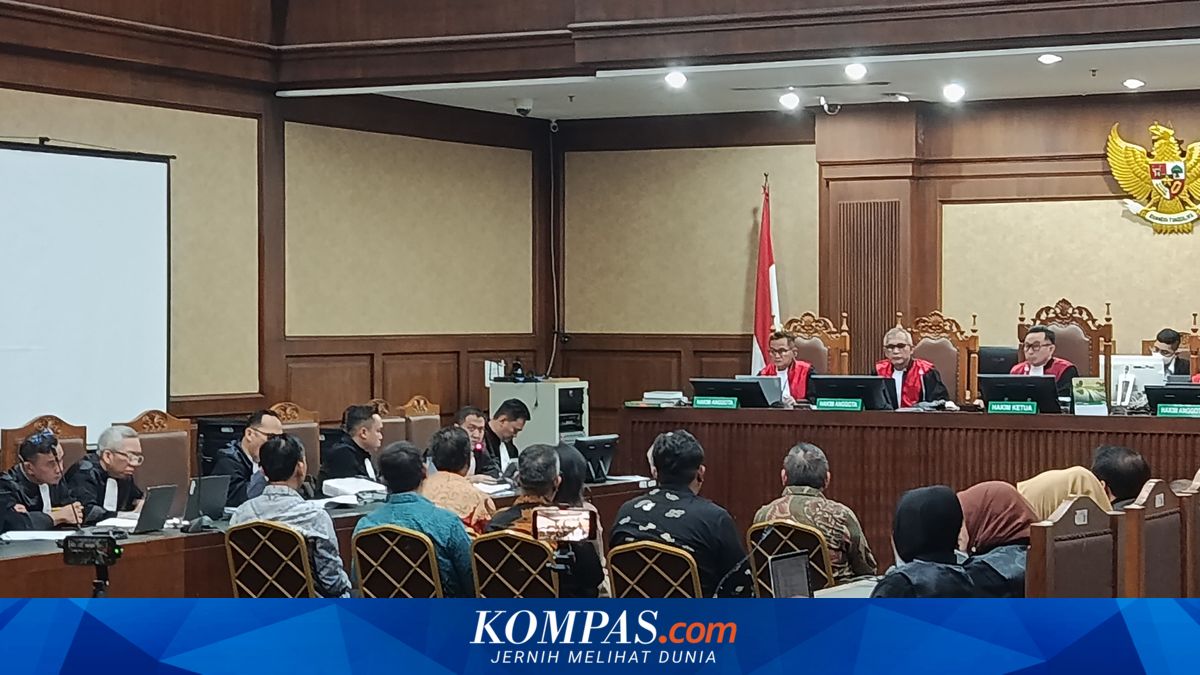
Muzakir provided his testimony whilst appearing as a witness in the continued hearing of the alleged corruption case involving the procurement of Chromebook-based laptops for former Minister of Education and Culture Nadiem Makarim.
“First, the Chrome operating system is relatively new for schools, so users need to adapt to its usage,” Muzakir stated during the hearing at the Jakarta Corruption Court on Monday, 9 March 2026.
“Second, particularly for vocational schools and certain specialised competencies, the Chromebook does not provide adequate support,” he added.
At the time of procurement, Muzakir served as the Technical Implementation Officer (PPTK) responsible for the procurement using Special Allocation Funds (DAK).
The Chromebook procurement was intended to support teaching and learning activities (KBM) and the implementation of minimum competency assessments (AKM). However, vocational secondary school (SMK) students encountered significant obstacles due to the low specifications of the Chromebook devices.
“For vocational schools, we actually need laptops with specifications considerably higher than these Chromebooks,” Muzakir said.
The prosecution also highlighted critical failures during the hearing. “The failure occurred because students and teachers could not use the devices for teaching and learning processes. One key issue is that Chromebooks require continuous internet connectivity, yet internet connection speed remains a major challenge in remote schools,” the prosecutor stated.
“When a Chromebook is not connected to the internet, all its software becomes unusable,” the prosecutor continued, referencing specific applications including Google Drive, Google Docs, Google Sheets, Google Slides, Google Meet, Google Classroom, and similar platforms.
A third significant issue emerged from the Chromebook’s specialised operating system, which created difficulties when attempting to open applications previously available on Windows operating systems.