
Seizing New Growth Opportunities, DSSA Accelerates Renewable Energy and Digital Infrastructure Business
Amid the push for energy transition and accelerated digitalisation, businesses are beginning to integrate the development of clean energy and technology infrastructure as a long-term strategy. The synergy between these two sectors is seen as key to supporting data- and artificial intelligence (AI)-based economic growth.
In line with this, PT Dian Swastatika Sentosa Tbk (DSSA) is accelerating the development of new renewable energy (EBT) while expanding AI-based digital infrastructure.
This step is part of the company’s strategy to maintain business sustainability while capturing new growth opportunities.
DSSA’s Vice President Director, Lokita Prasetya, emphasised that the energy sector remains the company’s main business foundation, with a focus on operational efficiency and sustainability.
“DSSA is gradually continuing to strengthen its new renewable energy (EBT) portfolio, particularly in the geothermal and solar sectors, to create a more balanced energy mix,” explained Lokita on Thursday (2/4).
This strategy involves strengthening sustainable mining practices, including improved energy efficiency and integrated environmental management. Implementation is evident in the acceleration of fleet electrification operations at PT Borneo Indobara as part of green mining initiatives that also reduce operational costs.
DSSA is also developing geothermal- and solar-based power plants. Indonesia has significant potential in this sector, especially geothermal, which accounts for around 40% of global potential.
This commitment is through the construction of an integrated 1 gigawatt solar panel factory in the Kendal Special Economic Zone. Additionally, DSSA is developing geothermal projects through PT DSSR Daya Mas Sakti with a total potential of 440 megawatts.
Exploration in six strategic regions, including Cisolok and Cipanas in West Java, as well as areas in Sumatra, Flores, and Central Sulawesi. To strengthen capabilities, DSSA is also partnering with PT FirstGen Geothermal Indonesia.
“Our approach maintains the reliability of current energy supply while gradually developing lower-emission energy sources as part of DSSA’s long-term strategy,” said Lokita.
Collaboration with iFLYTEK to develop various artificial intelligence solutions and large language model (LLM)-based analytics.
“The growth in data and connectivity needs is the main driver of our digital business development. We see great opportunities to promote digital penetration equity by addressing existing gaps, while providing accessible AI-based solutions,” stated Marlo.
Currently, DSSA operates a fibre optic network spanning around 57,000 kilometres with more than 9 million home passes and around 1 million broadband customers through MyRepublic Indonesia.
This infrastructure is bolstered by the development of 24 edge data centres in 23 cities, from Medan to Manado, to support low-latency data processing.
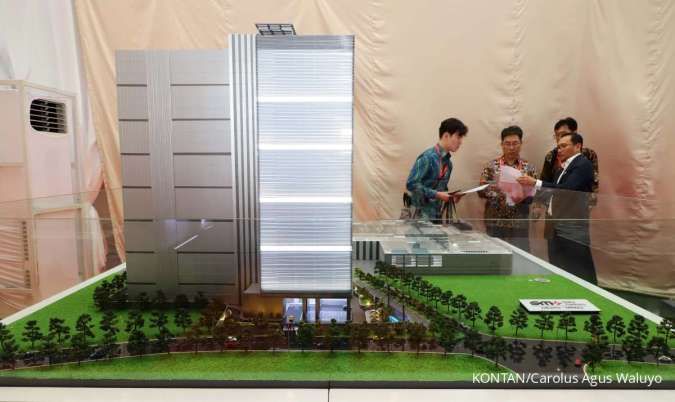
Additionally, DSSA is preparing the main Jakarta SMX01 data centre in the central business district. This facility is Tier IV standard with an initial capacity of 18 megawatts and is targeted to start operating in the second half of 2026.
Market opportunities are still wide open. Around 50 million Indonesians are not yet optimally served by internet, while the national telecommunications market value is estimated at US$29 billion or around Rp490 trillion.
DSSA Director, David Audy, assessed that Indonesia’s economic future will increasingly be driven by AI adoption, which requires strong energy and digital connectivity foundations.
“We see opportunities in Indonesia’s future that will heavily adopt artificial intelligence (AI). This adoption will be supported by two main foundations: reliable energy and equitable digital connectivity infrastructure,” he said.
He added that DSSA is building both sectors in an integrated manner to strengthen the company’s position in the future.